
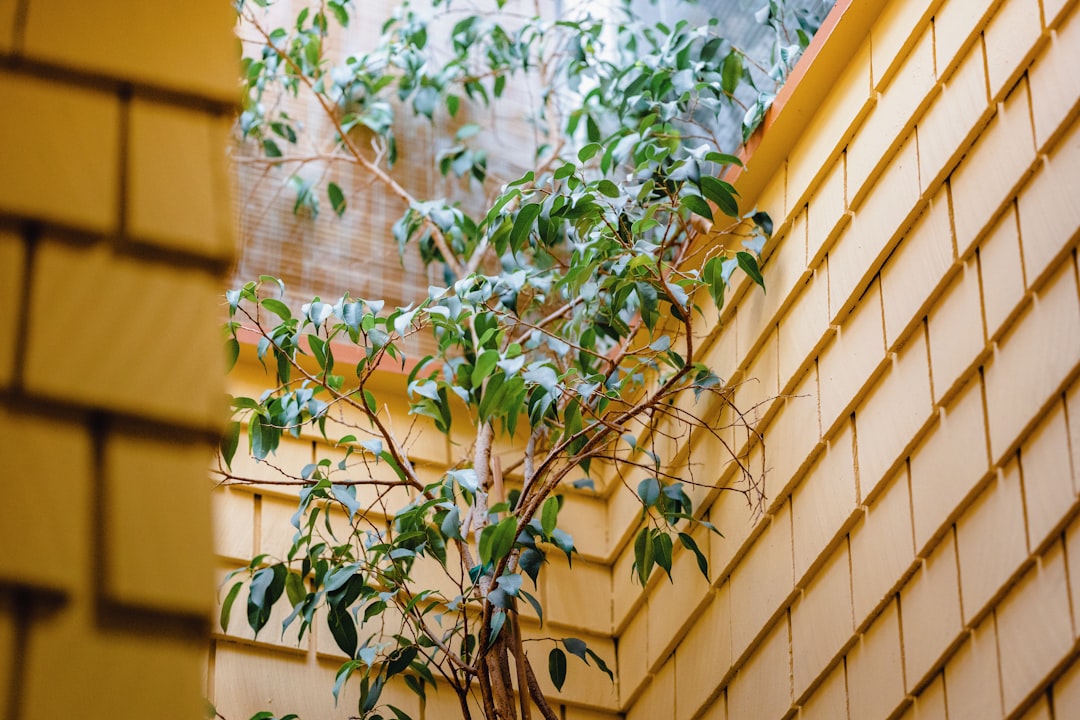
Pruning indoor plants is a fundamental practice that significantly contributes to their overall health and vitality. This process involves the selective removal of specific parts of a plant, such as branches, leaves, or flowers, to promote growth, enhance appearance, and prevent disease. One of the primary reasons for pruning is to encourage new growth.
By cutting back overgrown or dead sections, you stimulate the plant to produce fresh shoots and foliage, which can lead to a more robust and lush appearance. This rejuvenation is particularly important for indoor plants that may become leggy or sparse due to insufficient light or improper care. Moreover, pruning plays a crucial role in maintaining the shape and size of indoor plants.
Many species can grow rapidly under optimal conditions, leading to an unkempt appearance that may not fit well within the confines of a home or office space. Regular pruning helps to control this growth, ensuring that plants remain proportionate and aesthetically pleasing. Additionally, removing dead or diseased leaves can prevent the spread of pathogens, thereby safeguarding the health of the entire plant.
In essence, pruning is not merely a cosmetic endeavor; it is an essential practice that fosters a thriving indoor garden.
Key Takeaways
- Pruning indoor plants is important for promoting growth, maintaining shape, and preventing disease.
- The right time to prune indoor plants is typically in the spring or early summer when they are actively growing.
- Basic tools and equipment needed for pruning indoor plants include sharp scissors or pruning shears, gloves, and a clean, damp cloth.
- Different types of indoor plants require different pruning techniques, such as pinching, thinning, or heading back.
- Overgrown indoor plants can be dealt with by selectively removing crowded or leggy growth to encourage new growth.
- Pruning for aesthetic appeal involves shaping the plant to enhance its natural form and promote a balanced appearance.
- Regular pruning can help prevent disease and pest infestation by removing dead or diseased foliage and improving air circulation.
- After pruning, maintain healthy and thriving indoor plants by providing proper light, water, and nutrients, and monitoring for any signs of stress or disease.
Identifying the right time to prune indoor plants
Timing is critical when it comes to pruning indoor plants. The best time to prune typically coincides with the plant’s natural growth cycle. For many species, this period occurs in the spring as they emerge from dormancy and begin to actively grow.
During this time, plants are more resilient and can recover quickly from the stress of pruning. Observing the specific growth patterns of your indoor plants can provide valuable insights into when they are ready for a trim. For instance, if you notice new shoots or leaves beginning to unfurl, it may be an ideal moment to prune.
However, some plants may have unique requirements regarding timing. For example, flowering plants should be pruned immediately after their blooming period to avoid cutting off potential flower buds for the next season. Conversely, certain tropical plants may benefit from light pruning throughout the year to maintain their shape and encourage continuous growth.
Understanding the specific needs of each plant species in your collection is essential for effective pruning. By aligning your pruning schedule with the natural rhythms of your plants, you can ensure optimal health and vitality.
Tools and equipment needed for pruning indoor plants
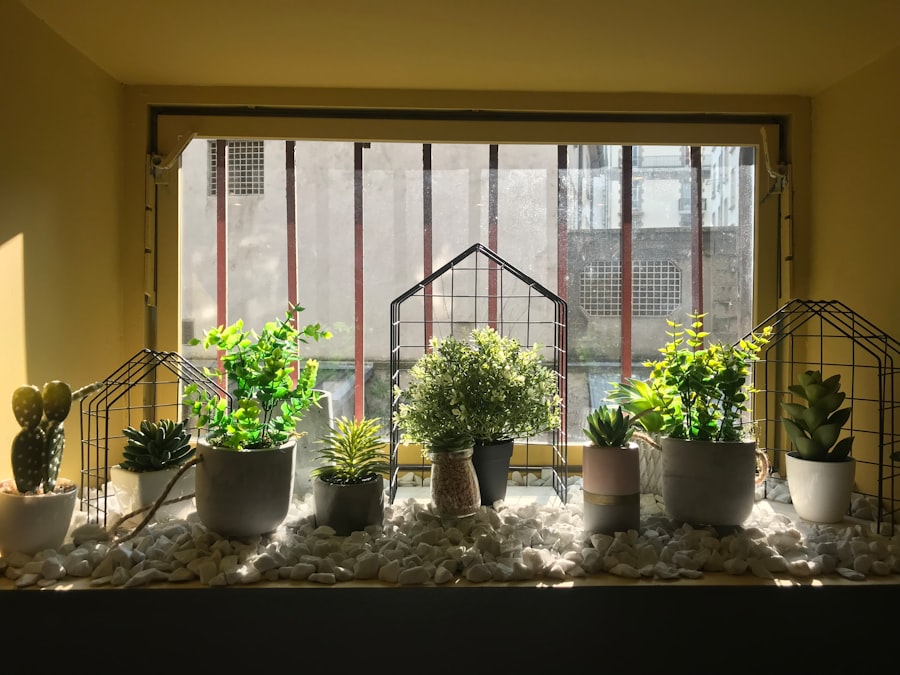
Having the right tools at your disposal is essential for effective pruning. A clean pair of sharp pruning shears is perhaps the most important tool in any indoor gardener’s arsenal. These shears allow for precise cuts that minimize damage to the plant while promoting quick healing.
It is advisable to choose shears that are appropriate for the size of the branches you intend to cut; smaller shears are ideal for delicate stems, while larger loppers may be necessary for thicker branches. In addition to pruning shears, other tools can enhance your pruning experience. A pair of gloves can protect your hands from thorns or sap, while a small hand trowel can assist in removing any debris from around the base of the plant after pruning.
Additionally, disinfecting wipes or alcohol can be used to clean your tools before and after use, preventing the spread of disease between plants. For those who prefer a more organized approach, a gardening apron with pockets can keep your tools handy while you work. Investing in quality tools not only makes the process easier but also ensures that you are equipped to handle various pruning tasks effectively.
Techniques for pruning different types of indoor plants
Pruning techniques can vary significantly depending on the type of indoor plant you are working with. For instance, when dealing with leafy houseplants like pothos or philodendrons, it is often best to focus on removing yellowing or damaged leaves first. This not only improves the plant’s appearance but also allows more light to reach healthy foliage.
When cutting back stems, aim for just above a leaf node; this encourages new growth from that point. Conversely, flowering plants such as African violets require a more delicate approach. After blooming, it is essential to remove spent flowers and any dead leaves without disturbing the healthy foliage.
This technique helps maintain the plant’s energy for future blooms while keeping it looking tidy. For larger plants like rubber trees or fiddle leaf figs, structural pruning may be necessary to maintain their shape and prevent them from becoming top-heavy. In these cases, cutting back taller branches can encourage bushier growth at lower levels.
Dealing with overgrown indoor plants
Overgrown indoor plants can present a challenge for even the most experienced gardeners. When a plant becomes too large for its space, it can lead to issues such as poor air circulation and increased susceptibility to pests and diseases. The first step in addressing an overgrown plant is to assess its overall health and structure.
If the plant appears healthy but simply needs size management, strategic pruning can help restore balance. Begin by identifying which branches or stems are contributing to the overgrowth. Focus on removing those that are crossing over one another or growing inward toward the center of the plant.
This not only reduces clutter but also improves light penetration and air circulation within the foliage. In some cases, it may be necessary to cut back up to one-third of the plant’s total height or width to achieve a more manageable size. After pruning, consider repotting the plant into a larger container if it has outgrown its current home; this will provide additional space for root development and further promote healthy growth.
Pruning for aesthetic appeal
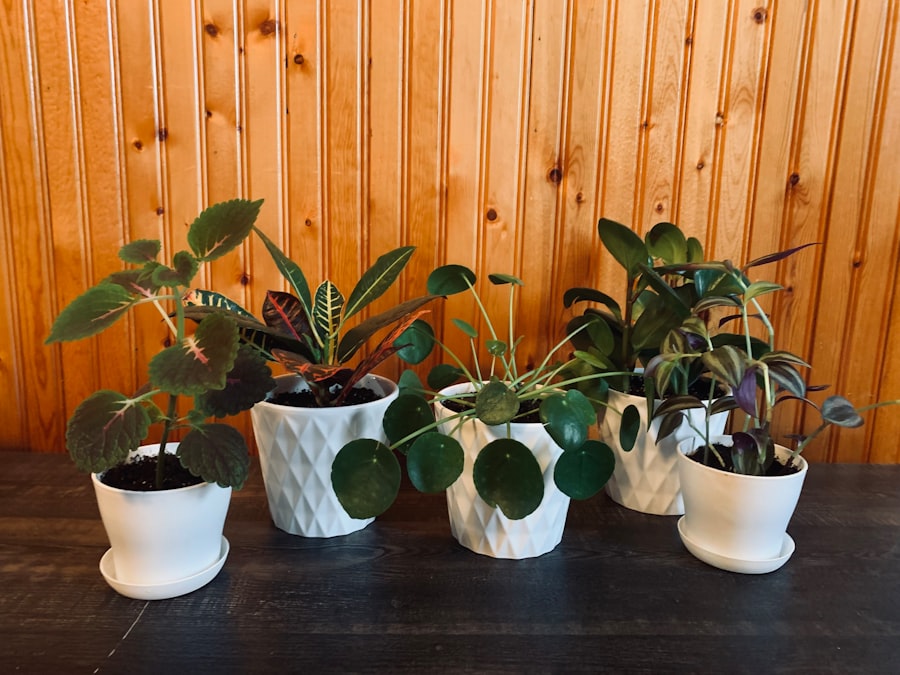
Pruning is not solely about health; it also plays a significant role in enhancing the aesthetic appeal of indoor plants. Many gardeners prune their plants with specific shapes or styles in mind, creating visually striking displays that complement their interior decor. For example, topiary techniques can be applied to certain species like boxwood or ficus, where careful trimming creates geometric shapes or even whimsical forms.
When aiming for aesthetic appeal, it is essential to consider the natural growth habit of each plant species. Some plants naturally grow in a bushy manner, while others may have a more upright form. Understanding these characteristics allows you to prune in a way that accentuates their unique beauty rather than forcing them into an unnatural shape.
Additionally, incorporating seasonal themes into your pruning routine can add an extra layer of visual interest; for instance, trimming back certain plants before holiday decorations can create a fresh canvas for seasonal displays.
Preventing disease and pest infestation through pruning
Pruning serves as an effective preventive measure against disease and pest infestations in indoor plants. By regularly removing dead or diseased foliage, you reduce the risk of pathogens spreading throughout the plant and potentially affecting neighboring specimens as well. Fungal infections often thrive in damp environments created by decaying leaves; thus, maintaining cleanliness through regular pruning can significantly diminish these risks.
Furthermore, pests such as spider mites or aphids are often attracted to stressed or overcrowded plants. By thinning out dense foliage through strategic pruning, you improve air circulation and light exposure, making it less hospitable for these unwanted visitors.
Tips for maintaining healthy and thriving indoor plants after pruning
After completing a pruning session, it is crucial to implement practices that support your indoor plants’ recovery and ongoing health. One key aspect is ensuring that they receive adequate light following pruning; this is especially important if significant foliage has been removed. Placing pruned plants in bright but indirect light can help stimulate new growth without overwhelming them.
Watering practices should also be adjusted post-pruning. While it may be tempting to water immediately after cutting back a plant, it is often better to wait until you observe new growth emerging. This allows the plant to focus its energy on healing rather than expending resources on water uptake during a potentially stressful period.
Additionally, applying a balanced fertilizer can provide essential nutrients that support recovery and encourage robust new growth. Maintaining humidity levels is another critical factor in ensuring your indoor plants thrive after pruning. Many houseplants benefit from higher humidity levels; using a humidifier or placing a tray of water near your plants can help create an optimal environment for recovery.
Regularly monitoring your plants’ overall health and adjusting care routines as needed will contribute significantly to their long-term success following pruning efforts.
If you’re interested in learning more about growing plants in your backyard, you may want to check out this article on how to grow honeysuckle in your backyard.
Just like pruning indoor plants, proper care and maintenance are essential for the health and growth of outdoor plants like honeysuckle. So, whether you’re a seasoned gardener or just starting out, this article is sure to provide valuable insights for your gardening journey.
FAQs
What is pruning?
Pruning is the process of selectively removing parts of a plant, such as branches, leaves, or roots, to promote healthy growth and maintain the plant’s shape.
Why is pruning important for indoor plants?
Pruning is important for indoor plants to remove dead or diseased growth, encourage new growth, improve air circulation, and maintain the plant’s overall health and appearance.
When is the best time to prune indoor plants?
The best time to prune indoor plants is typically in the spring or early summer, when plants are actively growing. However, some plants may require pruning at different times of the year, so it’s important to research the specific needs of each plant.
What are the best tools for pruning indoor plants?
The best tools for pruning indoor plants include sharp, clean scissors or pruning shears. It’s important to use tools that are specifically designed for pruning to ensure clean cuts and minimize damage to the plant.
How should I prune my indoor plants?
When pruning indoor plants, it’s important to start by removing any dead, damaged, or diseased growth. Then, selectively prune to shape the plant and encourage new growth. It’s important to research the specific pruning needs of each plant, as different plants may require different pruning techniques.
Are there any risks associated with pruning indoor plants?
Pruning indoor plants carries the risk of over-pruning, which can stress the plant and inhibit its growth. It’s important to carefully consider the specific needs of each plant before pruning and to avoid removing too much growth at once.
What are some common mistakes to avoid when pruning indoor plants?
Common mistakes to avoid when pruning indoor plants include over-pruning, using dull or dirty tools, and pruning at the wrong time of year. It’s important to research the specific needs of each plant and to carefully consider the impact of pruning before making any cuts.