
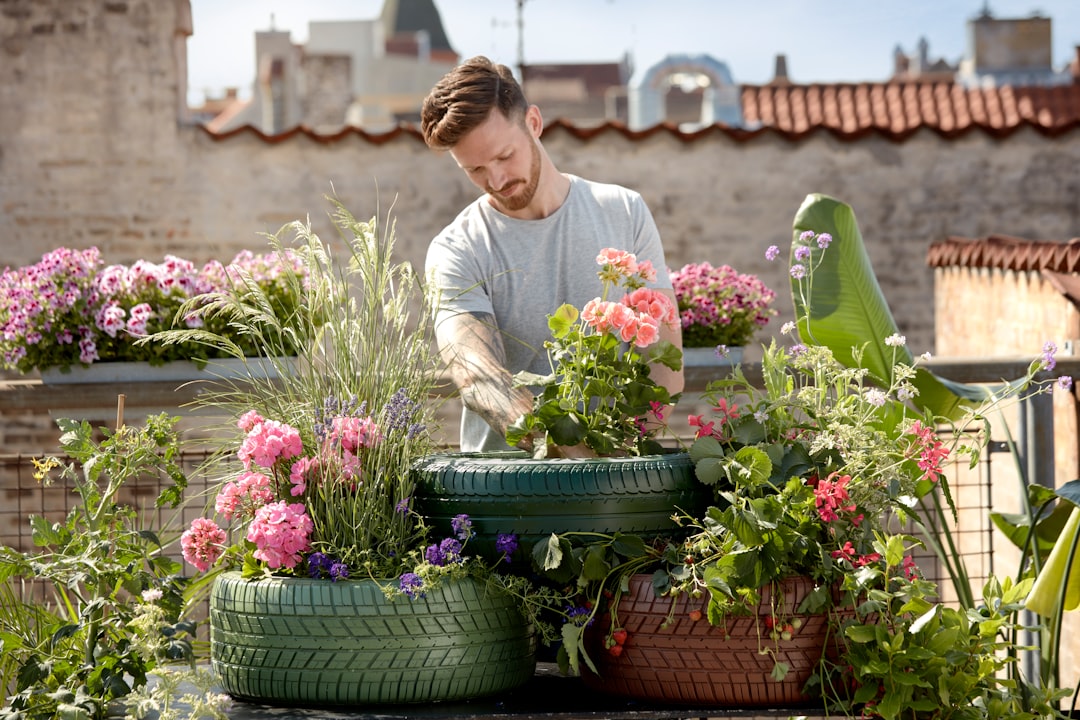
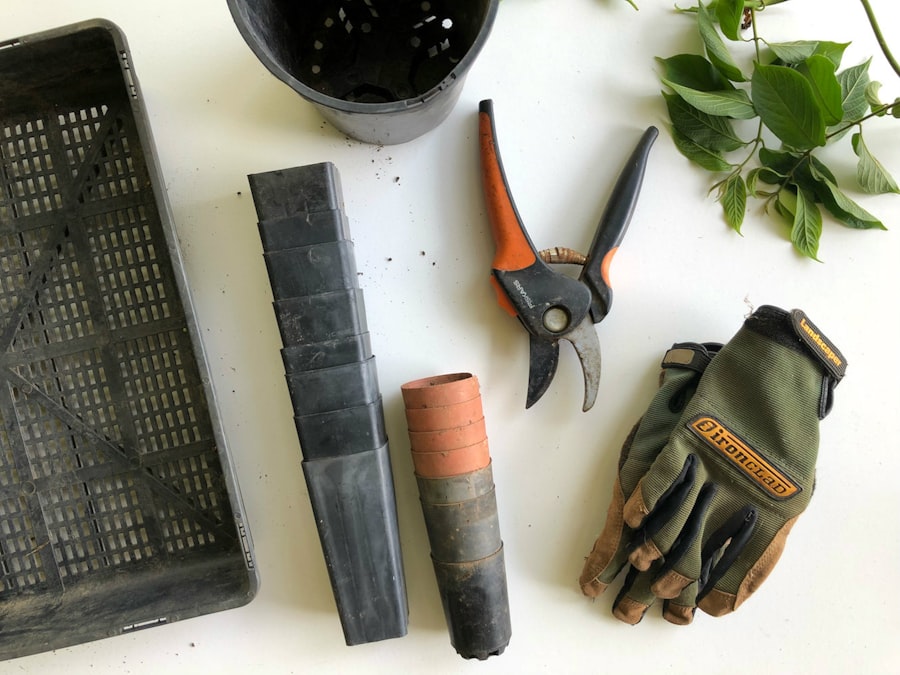
In the realm of gardening, hand tools serve as the backbone of any successful endeavor. These tools are not merely accessories; they are extensions of the gardener’s hands, enabling precision and efficiency in various tasks. Among the most fundamental hand tools are the trowel, pruners, and hand rake.
The trowel, with its pointed blade, is indispensable for digging small holes, transplanting seedlings, and mixing soil amendments. Its ergonomic design allows for comfortable use over extended periods, making it a favorite among both novice and seasoned gardeners.
They allow for clean cuts that promote healing and growth, whether one is deadheading flowers or shaping shrubs. A good pair of bypass pruners can make all the difference in ensuring that plants thrive. Another critical tool in the gardener’s arsenal is the hand rake, which is particularly useful for loosening soil and removing debris from garden beds.
Unlike larger rakes, hand rakes provide the precision needed to work in tight spaces without disturbing nearby plants. Additionally, tools like weeding forks and hoes play a vital role in maintaining a healthy garden by allowing gardeners to remove unwanted weeds that compete for nutrients and water. Investing in high-quality hand tools not only enhances productivity but also contributes to a more enjoyable gardening experience.
The right tools can make labor-intensive tasks feel less daunting and more rewarding.
Key Takeaways
- Essential hand tools are crucial for every gardener and include items such as trowels, pruners, and gloves.
- Watering and irrigation systems, such as hoses, sprinklers, and drip irrigation, are essential for maintaining a healthy garden.
- Soil testing and amendments are important for ensuring that your plants have the right nutrients and pH levels for optimal growth.
- Pest control and prevention tools, such as insect traps and organic pesticides, are necessary for keeping your garden free from harmful pests.
- Pruning and trimming equipment, such as shears and loppers, are essential for maintaining the shape and health of your plants.
Watering and Irrigation Systems
Watering is a fundamental aspect of gardening that directly impacts plant health and productivity. While traditional watering methods, such as using a hose or watering can, remain popular, many gardeners are turning to more sophisticated irrigation systems to ensure their plants receive consistent moisture. Drip irrigation systems, for instance, deliver water directly to the root zone of plants through a network of tubes and emitters.
This method minimizes water waste and reduces the risk of fungal diseases that can arise from overhead watering. By providing a slow and steady supply of moisture, drip irrigation promotes deep root growth and enhances overall plant resilience. In addition to drip systems, soaker hoses have gained popularity among gardeners seeking an efficient way to water their gardens.
These porous hoses allow water to seep out slowly along their length, providing even moisture to the soil while minimizing evaporation. Soaker hoses are particularly effective in vegetable gardens and flower beds where consistent moisture is crucial for optimal growth. For those with larger landscapes or more complex watering needs, automated sprinkler systems offer convenience and precision.
Programmable timers can be set to water at specific times, ensuring that plants receive adequate hydration even when the gardener is not present. This level of automation not only saves time but also helps maintain a healthy garden throughout varying weather conditions.
Soil Testing and Amendments
Understanding soil health is paramount for successful gardening, as it directly influences plant growth and productivity. Soil testing is an essential practice that allows gardeners to assess nutrient levels, pH balance, and overall soil composition. By collecting samples from different areas of the garden and sending them to a laboratory for analysis, gardeners can gain valuable insights into what their soil needs.
For example, a soil test may reveal deficiencies in nitrogen or phosphorus, prompting the gardener to amend the soil with organic fertilizers or compost to enhance fertility. Amendments play a crucial role in improving soil structure and nutrient content. Organic matter, such as compost or well-rotted manure, can significantly enhance soil aeration and water retention while providing essential nutrients for plants.
Additionally, lime may be added to acidic soils to raise pH levels, making nutrients more available to plants. Conversely, sulfur can be used to lower pH in alkaline soils. Understanding these amendments and their effects on soil chemistry empowers gardeners to create an optimal growing environment tailored to the specific needs of their plants.
Pest Control and Prevention
Pest management is an integral part of maintaining a healthy garden ecosystem. The presence of pests can lead to significant damage if not addressed promptly; therefore, understanding pest behavior and implementing preventive measures is essential for any gardener. Integrated Pest Management (IPM) is a holistic approach that combines various strategies to control pest populations while minimizing harm to beneficial insects and the environment.
This may include cultural practices such as crop rotation, which disrupts pest life cycles by changing the types of plants grown in a particular area each season. In addition to cultural practices, physical barriers such as row covers or insect netting can effectively protect plants from pests while allowing sunlight and moisture to penetrate. For instance, using floating row covers can shield young seedlings from aphids and other insects without resorting to chemical pesticides.
When pest populations exceed acceptable levels, organic pesticides derived from natural sources can be employed as a last resort. Neem oil and insecticidal soap are two examples of organic options that target specific pests while being less harmful to beneficial insects like bees and ladybugs.
Pruning and Trimming Equipment
Pruning is an essential practice that promotes healthy growth and flowering in many plants. The right equipment is crucial for effective pruning; this includes not only pruners but also loppers and saws designed for different types of cuts and branches. Loppers are particularly useful for cutting thicker branches that are too large for standard pruners, allowing gardeners to maintain larger shrubs and trees with ease.
A quality pair of loppers with long handles provides leverage for clean cuts without excessive strain on the gardener’s hands.
These saws are designed with sharp teeth that facilitate smooth cutting through wood without damaging the plant itself.
Proper pruning techniques not only enhance the aesthetic appeal of plants but also improve air circulation and light penetration within the canopy, reducing the risk of disease. Understanding when and how to prune different types of plants—whether it be spring-flowering shrubs or summer-blooming perennials—ensures that gardeners maximize their plants’ potential while maintaining their health.
Seed Starting and Transplanting Tools
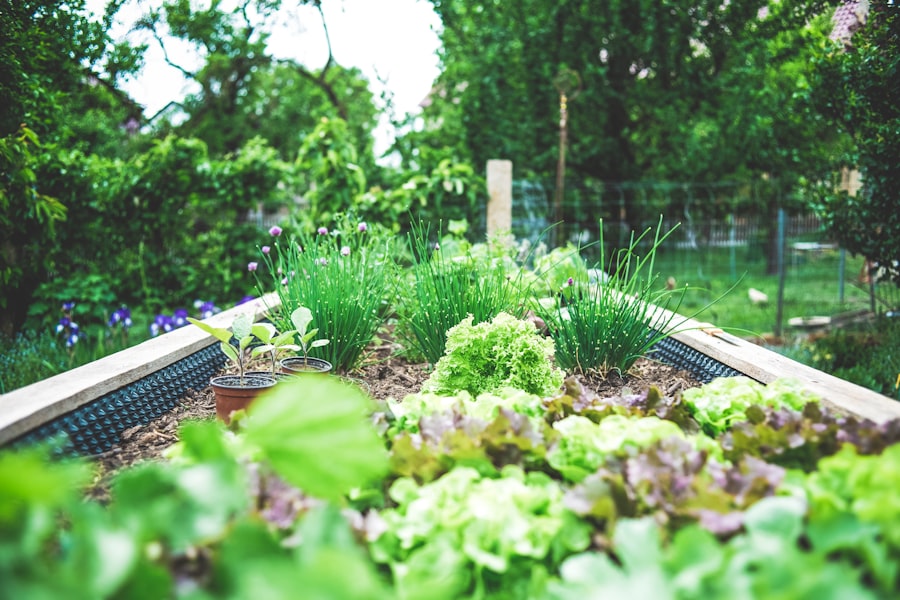
Starting seeds indoors has become increasingly popular among gardeners looking to get a head start on their growing season. The right tools can make this process more efficient and successful. Seed trays or flats are essential for organizing seeds during germination; they provide a controlled environment that encourages sprouting while allowing for easy monitoring of moisture levels.
Additionally, using seedling heat mats can help maintain optimal temperatures for germination, particularly for heat-loving plants like tomatoes and peppers. Transplanting tools are equally important when it comes time to move seedlings into the garden or larger containers. A transplanting trowel with a narrow blade allows for precise digging around delicate roots without causing damage during the transfer process.
Furthermore, using biodegradable pots made from materials like peat or coconut coir can simplify transplanting by allowing seedlings to be planted directly into the ground without disturbing their roots. This method reduces transplant shock and promotes quicker establishment in the garden environment.
Harvesting and Storage Supplies
The culmination of a gardener’s efforts is often celebrated during harvest time when fruits, vegetables, and flowers reach their peak ripeness. Having the right harvesting tools on hand ensures that this process is efficient and minimizes damage to plants. Harvesting knives or shears are essential for cutting fruits and vegetables cleanly from their stems or branches; this prevents tearing or bruising that can occur with improper handling.
For larger crops like pumpkins or melons, sturdy garden knives with serrated edges may be necessary to cut through tough skins. Once harvested, proper storage supplies become crucial for preserving freshness and quality. Baskets or crates designed for transporting produce help prevent bruising during collection while allowing air circulation around harvested items.
For longer-term storage, breathable bags made from materials like mesh or burlap can help maintain optimal humidity levels while preventing spoilage. Additionally, understanding proper storage conditions—such as temperature and humidity requirements for different types of produce—can significantly extend shelf life and enhance flavor.
Garden Maintenance and Organization Gear
Maintaining an organized garden space is vital for efficiency and productivity throughout the growing season. Various organizational tools can help streamline tasks and keep everything in its place. Garden carts or wheelbarrows are invaluable for transporting soil amendments, tools, or harvested produce around the garden without excessive strain on the gardener’s back.
These carts come in various sizes and designs, allowing gardeners to choose one that best fits their needs. In addition to carts, tool organizers such as racks or pegboards can help keep hand tools easily accessible while preventing clutter in sheds or garages. Labeling systems for seed packets or plant markers also contribute to organization by ensuring that gardeners can quickly identify what they have planted where.
Furthermore, investing in durable storage solutions—such as waterproof bins or toolboxes—protects equipment from weather elements while keeping everything organized for easy access when needed. By prioritizing organization within the garden space, gardeners can focus more on nurturing their plants rather than searching for misplaced tools or supplies.
If you’re looking to enhance your vegetable and fruit gardening experience, it’s essential to have the right tools at your disposal. For instance, understanding how to grow specific plants can significantly improve your gardening success. A related article that might interest you is about how to grow radishes in containers, which provides valuable insights into container gardening techniques that can be applied to various fruits and vegetables.
FAQs
What are the best tools for vegetable and fruit gardening?
Some of the best tools for vegetable and fruit gardening include a trowel, hand pruners, a garden fork, a hoe, a watering can or hose, and a wheelbarrow.
Why is a trowel important for vegetable and fruit gardening?
A trowel is important for vegetable and fruit gardening as it is used for digging small holes for planting seeds or seedlings, transplanting small plants, and removing weeds.
What are hand pruners used for in vegetable and fruit gardening?
Hand pruners are used for cutting and trimming small branches, stems, and foliage on fruit trees and vegetable plants.
Why is a garden fork essential for vegetable and fruit gardening?
A garden fork is essential for vegetable and fruit gardening as it is used for turning and aerating the soil, lifting and turning over compost, and digging up root vegetables.
How can a hoe be beneficial for vegetable and fruit gardening?
A hoe can be beneficial for vegetable and fruit gardening as it is used for cultivating and weeding the soil, creating furrows for planting seeds, and breaking up soil clumps.
Why is a watering can or hose important for vegetable and fruit gardening?
A watering can or hose is important for vegetable and fruit gardening as it is used to provide the necessary water for the plants, ensuring they stay hydrated and healthy.
What role does a wheelbarrow play in vegetable and fruit gardening?
A wheelbarrow is used for transporting soil, compost, mulch, plants, and other gardening materials around the garden, making it an essential tool for vegetable and fruit gardening.