
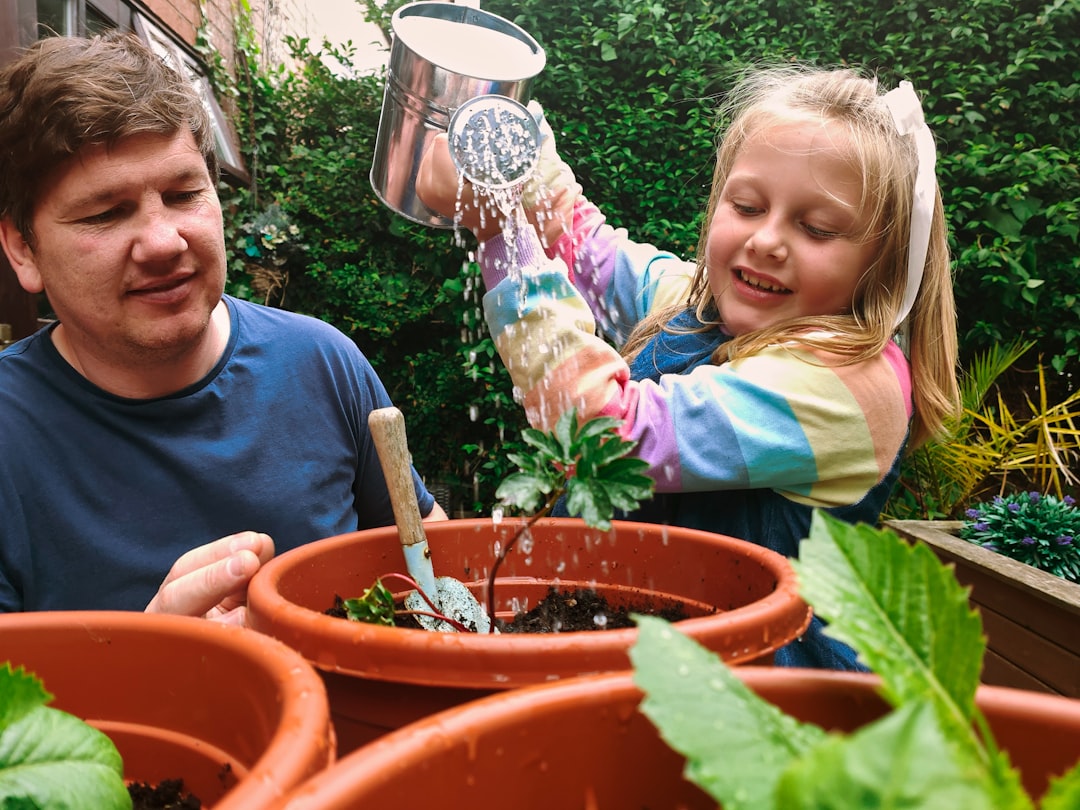
Community gardens have emerged as vibrant spaces that foster not only the growth of plants but also the cultivation of community spirit. These gardens serve as a nexus for individuals from diverse backgrounds to come together, share knowledge, and engage in sustainable practices. The concept of community gardening is rooted in the idea of collective ownership and responsibility, where local residents collaborate to transform vacant lots or underutilized spaces into productive green areas.
This movement has gained momentum in urban settings, where access to fresh produce can be limited, and the need for green spaces is increasingly recognized. The benefits of community gardens extend far beyond the mere act of gardening. They provide an opportunity for education, allowing participants to learn about horticulture, nutrition, and environmental stewardship.
Additionally, these gardens can enhance local biodiversity by providing habitats for various species, thus contributing to ecological health. The social implications are equally significant; community gardens can reduce social isolation, promote cultural exchange, and empower individuals by giving them a stake in their environment. As urban areas continue to expand, the role of community gardens in fostering resilience and sustainability becomes ever more critical.
Key Takeaways
- Community gardens provide a space for people to come together and grow their own food, fostering a sense of community and connection to the environment.
- When finding a suitable location for a community garden, it’s important to consider factors such as sunlight, water access, and soil quality.
- Getting permission and support from the community is crucial for the success of a community garden, as it ensures that the project is welcomed and supported by the local residents.
- Organizing a team and delegating tasks is essential for the smooth operation of a community garden, as it allows for the workload to be shared and for different skills and expertise to be utilized.
- Planning and designing the garden should involve input from the community to ensure that the space meets the needs and preferences of the people who will be using it.
Finding a Suitable Location
Identifying an appropriate location for a community garden is a foundational step that can significantly influence its success. Ideal sites are typically characterized by ample sunlight, access to water, and good soil quality. Urban areas often present challenges such as limited space and contaminated soil; therefore, potential gardeners must conduct thorough assessments of available locations.
Public parks, schoolyards, and vacant lots are common choices, but each site comes with its own set of advantages and challenges. For instance, a schoolyard may offer a secure environment for children to learn about gardening, while a vacant lot might require extensive cleanup efforts before planting can begin. In addition to physical attributes, the location’s accessibility is crucial.
A garden should be easily reachable by foot or public transport to encourage participation from the community. Proximity to neighborhoods with limited access to fresh produce can also enhance the garden’s impact. Furthermore, considering the surrounding environment is essential; a site near other community resources—such as libraries or community centers—can facilitate collaboration and increase visibility.
Engaging with local residents during this phase can provide insights into preferred locations and help build initial interest in the project.
Getting Permission and Support from the Community
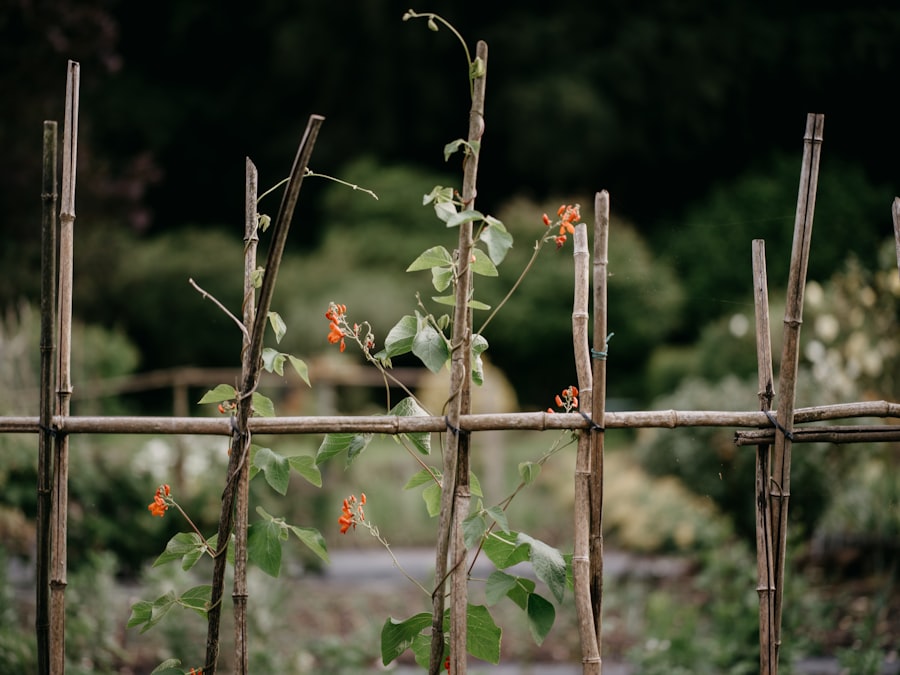
Once a suitable location has been identified, obtaining permission from landowners or local authorities is imperative. This process often involves navigating bureaucratic channels and may require formal proposals outlining the garden’s purpose, benefits, and management plans. Engaging with local government officials early in the process can help clarify any regulations or zoning laws that may affect the garden’s establishment.
In some cases, municipalities may have specific programs or grants designed to support community gardening initiatives, making it beneficial to explore these options. Building support within the community is equally important. Hosting informational meetings or workshops can serve as platforms for discussing the garden’s vision and gathering input from potential participants.
These gatherings not only inform residents about the project but also create a sense of ownership and investment in its success. Collaborating with local organizations—such as schools, non-profits, or environmental groups—can further bolster support and provide additional resources. By fostering a sense of community around the garden from the outset, organizers can cultivate enthusiasm and commitment that will sustain the project over time.
Organizing a Team and Delegating Tasks
A successful community garden relies on a dedicated team of volunteers who are willing to contribute their time and skills. Organizing this team involves identifying individuals with diverse talents—such as gardening expertise, administrative skills, or fundraising experience—and assigning roles that align with their strengths. Establishing clear communication channels is essential for coordinating efforts and ensuring that everyone is on the same page regarding goals and responsibilities.
Regular meetings can help maintain momentum and provide opportunities for team members to share updates or address challenges. Delegating tasks effectively is crucial for maintaining engagement and preventing burnout among volunteers. Responsibilities can be divided into various categories, such as planning, planting, maintenance, outreach, and education.
For example, some team members might focus on designing the layout of the garden while others handle logistics like securing tools and materials. Additionally, creating subcommittees for specific tasks—such as organizing workshops or events—can empower volunteers by allowing them to take ownership of particular aspects of the garden’s operation.
Planning and Designing the Garden
The planning and design phase is where creativity meets practicality in community gardening. This stage involves determining what types of plants will be grown based on factors such as climate, soil conditions, and community preferences. Engaging participants in this process can lead to a diverse array of crops that reflect the cultural backgrounds of those involved.
For instance, incorporating traditional herbs or vegetables from various cultures can enrich the garden’s offerings while promoting cultural exchange among gardeners. Designing the layout of the garden is equally important; considerations such as spacing between plants, pathways for accessibility, and communal areas for gatherings should be taken into account. Raised beds may be an option for those dealing with poor soil quality or limited mobility among participants.
Additionally, incorporating features like compost bins or rainwater collection systems can enhance sustainability efforts within the garden. Visualizing the garden through sketches or models can help team members align their visions and make informed decisions about plant placement and overall aesthetics.
Securing Funding and Resources
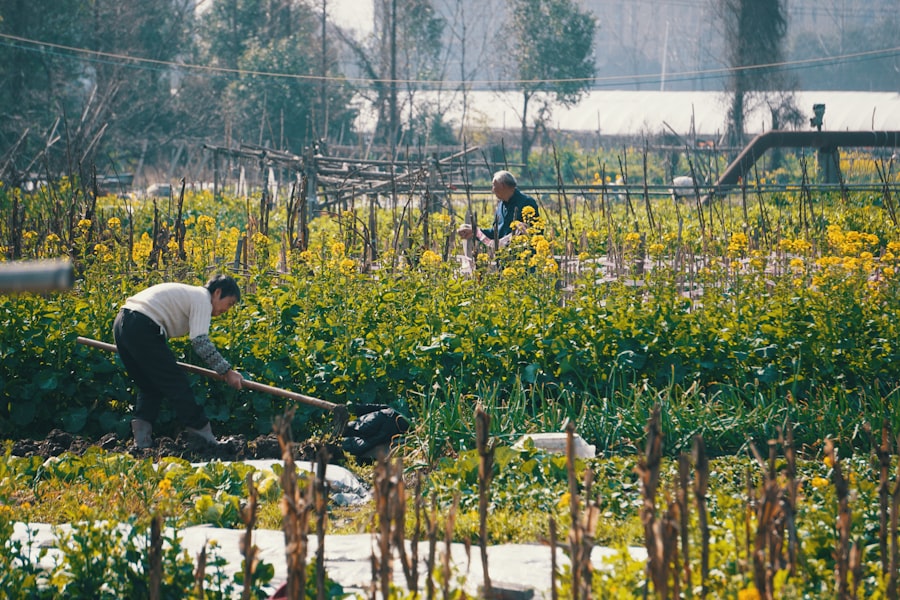
Financial sustainability is a critical aspect of establishing a community garden. Securing funding can come from various sources, including grants from local governments or non-profit organizations dedicated to urban agriculture or community development. Many foundations offer financial support specifically for projects that promote food security or environmental education.
Crafting compelling grant proposals that clearly outline the garden’s objectives and anticipated impact can significantly increase the chances of receiving funding. In addition to grants, fundraising efforts within the community can also play a vital role in securing resources. Organizing events such as bake sales, plant sales, or community dinners not only raises funds but also strengthens community ties.
Local businesses may also be willing to contribute through sponsorships or donations of materials such as seeds, tools, or soil amendments. Building partnerships with local agricultural suppliers can lead to discounts or donations that further reduce costs. By diversifying funding sources and actively engaging with the community, organizers can create a robust financial foundation for their gardening initiative.
Building and Maintaining the Garden
The construction phase marks an exciting transition from planning to action as volunteers come together to bring their vision to life. This stage often involves clearing debris from the site, preparing soil for planting, and constructing necessary infrastructure such as raised beds or fencing. Safety should be a priority during this process; ensuring that all volunteers are equipped with proper tools and protective gear is essential to prevent accidents.
Once established, maintaining the garden requires ongoing commitment from participants. Regular watering, weeding, and pest management are fundamental tasks that need to be addressed consistently throughout the growing season. Establishing a schedule for maintenance duties can help distribute responsibilities evenly among team members while ensuring that no aspect of care is overlooked.
Additionally, implementing sustainable practices—such as organic gardening techniques or companion planting—can enhance productivity while minimizing environmental impact.
Engaging the Community and Sustaining the Garden
Sustaining a community garden goes beyond its physical upkeep; it involves ongoing engagement with the broader community to ensure continued interest and participation. Hosting events such as harvest festivals, workshops on gardening techniques, or cooking demonstrations can attract new members while celebrating the fruits of collective labor. These gatherings not only provide opportunities for education but also reinforce social bonds among participants.
Moreover, creating avenues for feedback allows gardeners to voice their opinions on what works well and what could be improved within the garden structure. Regular surveys or informal discussions can help gauge community interest in expanding activities or introducing new crops based on seasonal changes or cultural preferences. By fostering an inclusive atmosphere where all voices are heard, organizers can adapt their approach to meet evolving needs while ensuring that the garden remains a cherished resource for years to come.
In conclusion, community gardens represent more than just plots of land; they embody a collective effort towards sustainability, education, and social cohesion. Through careful planning, collaboration, and ongoing engagement with local residents, these gardens can thrive as vital components of urban landscapes while enriching lives in countless ways.
Creating a community garden in your neighborhood can be a rewarding experience that fosters collaboration and enhances local green spaces. To complement your gardening efforts, you might find it helpful to learn about growing specific plants that can thrive in your area. For instance, you can check out this article on
By admin