
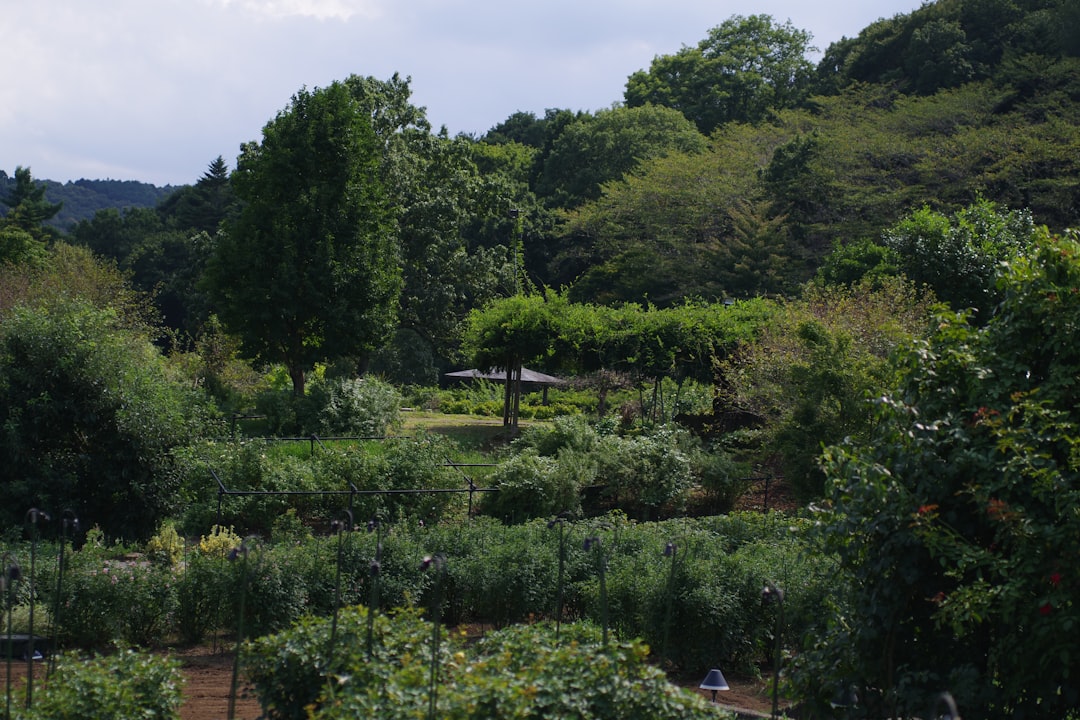
The location of your vertical garden is paramount to its success. When selecting a site, consider the amount of sunlight the area receives throughout the day. Most vegetables require at least six to eight hours of direct sunlight to thrive, so a south-facing wall or balcony is often ideal.
If you are limited to a shaded area, you might still be able to grow certain leafy greens or herbs that tolerate lower light conditions. Additionally, observe how the sun moves across your chosen space during different seasons, as this can affect the growth of your plants over time. Another critical factor to consider is accessibility.
Your vertical garden should be easy to reach for planting, watering, and harvesting. If you plan to use a wall-mounted system, ensure that it is at a comfortable height for you to work with. If you opt for a freestanding structure, place it in an area where you can easily maneuver around it.
Proximity to a water source is also beneficial; having a hose or watering can nearby will make maintenance much simpler. Lastly, consider the aesthetic appeal of your chosen location. A well-placed vertical garden can enhance the beauty of your outdoor space, creating a vibrant focal point that draws the eye.
Key Takeaways
- Choose a location with ample sunlight and easy access to water for your vertical garden
- Select vegetables that are well-suited for vertical growing, such as tomatoes, peppers, and lettuce
- Consider building a vertical garden structure using recycled materials or purchase a pre-made one for convenience
- Prepare the soil with a good quality potting mix and plant your vegetables with proper spacing
- Ensure adequate water and nutrients for your vertical garden by using a drip irrigation system or regular fertilization
Selecting the Best Vegetables for Vertical Growing
When it comes to vertical gardening, not all vegetables are created equal. Certain varieties are better suited for climbing or trailing, making them ideal candidates for vertical growth. For instance, pole beans and peas are excellent choices due to their natural climbing tendencies.
Additionally, cucumbers and tomatoes can also thrive in vertical gardens when provided with adequate support. Indeterminate tomato varieties, which continue to grow and produce fruit throughout the season, are particularly well-suited for vertical systems.
In contrast, some vegetables may struggle in a vertical setup due to their growth habits or size. Root vegetables like carrots and potatoes typically require more horizontal space and depth than vertical gardens can provide. However, you can still incorporate compact varieties of these plants in containers that can be attached to your vertical structure.
Herbs such as basil, mint, and thyme are also fantastic additions to a vertical garden, as they tend to grow well in smaller spaces and can be harvested frequently. Ultimately, selecting the right vegetables involves understanding their growth patterns and ensuring they align with the constraints of your vertical garden design.
Building or Purchasing a Vertical Garden Structure
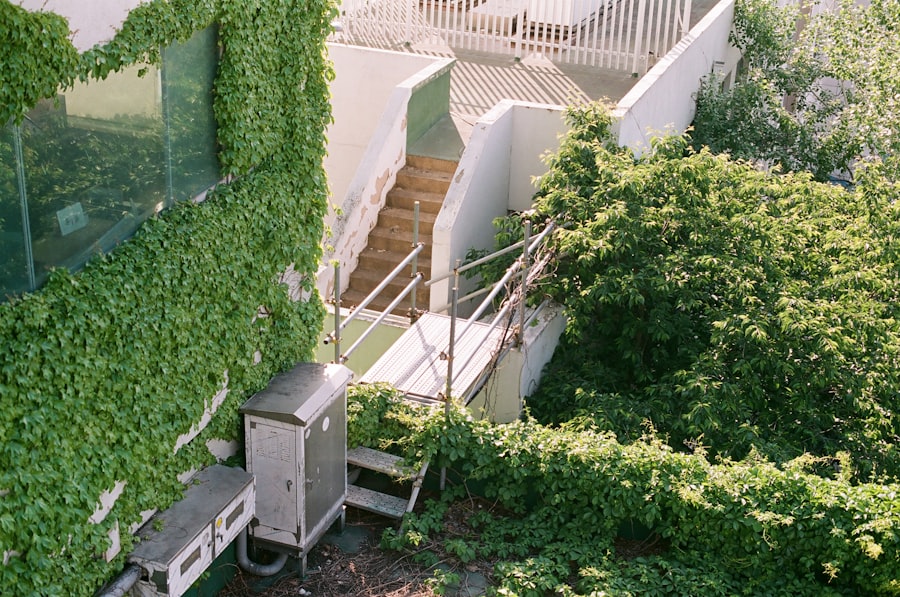
Once you’ve decided on the location and the types of vegetables you want to grow, the next step is to either build or purchase a vertical garden structure. There are numerous options available, ranging from simple DIY projects to pre-made systems that can be easily assembled. If you choose to build your own, consider using materials like wood, PVC pipes, or repurposed pallets.
A wooden trellis can provide a sturdy framework for climbing plants, while a series of stacked planters can create a tiered effect that maximizes space. For those who prefer convenience, many retailers offer ready-made vertical garden kits that come with everything you need to get started. These kits often include planters, trellises, and even irrigation systems designed specifically for vertical gardening.
When selecting a pre-made structure, pay attention to its durability and weather resistance, especially if it will be exposed to the elements. Additionally, consider the size and weight capacity of the structure; it should be able to support the weight of mature plants and soil without collapsing.
Preparing the Soil and Planting Your Vegetables
Soil preparation is a crucial step in establishing a successful vertical garden. The quality of your soil directly impacts plant health and productivity. Start by selecting a high-quality potting mix that is well-draining yet retains moisture.
Many gardeners opt for blends that include organic matter such as compost or peat moss, which enriches the soil with nutrients and improves its structure. If you’re using containers or pockets in your vertical garden system, ensure that they have adequate drainage holes to prevent waterlogging. When it comes time to plant your vegetables, consider their spacing requirements carefully.
Even in a vertical garden, overcrowding can lead to poor air circulation and increased susceptibility to diseases. Follow the recommended spacing guidelines for each type of vegetable you are planting; this will help ensure that each plant has enough room to grow and access sunlight. As you plant, gently firm the soil around the roots and water thoroughly to eliminate air pockets.
For climbing plants like beans or cucumbers, provide immediate support by installing trellises or strings at the time of planting.
Providing Adequate Water and Nutrients for Your Vertical Garden
Watering is one of the most critical aspects of maintaining a vertical garden. Due to their elevated position and often limited soil volume, vertical gardens can dry out more quickly than traditional gardens. Regular monitoring of soil moisture levels is essential; using your finger to check the top inch of soil can help determine if it’s time to water.
Drip irrigation systems are an excellent option for vertical gardens as they deliver water directly to the roots while minimizing evaporation and runoff. In addition to water, providing adequate nutrients is vital for healthy plant growth. Most vegetables benefit from regular feeding with a balanced fertilizer that contains essential macronutrients like nitrogen, phosphorus, and potassium.
Organic options such as compost tea or fish emulsion can also be effective in promoting vigorous growth without the risk of chemical buildup in the soil. As plants mature and begin producing fruit or foliage, consider adjusting your fertilization schedule based on their specific needs; for example, fruiting plants may require higher potassium levels during their peak growing season.
Maintaining and Caring for Your Vertical Garden
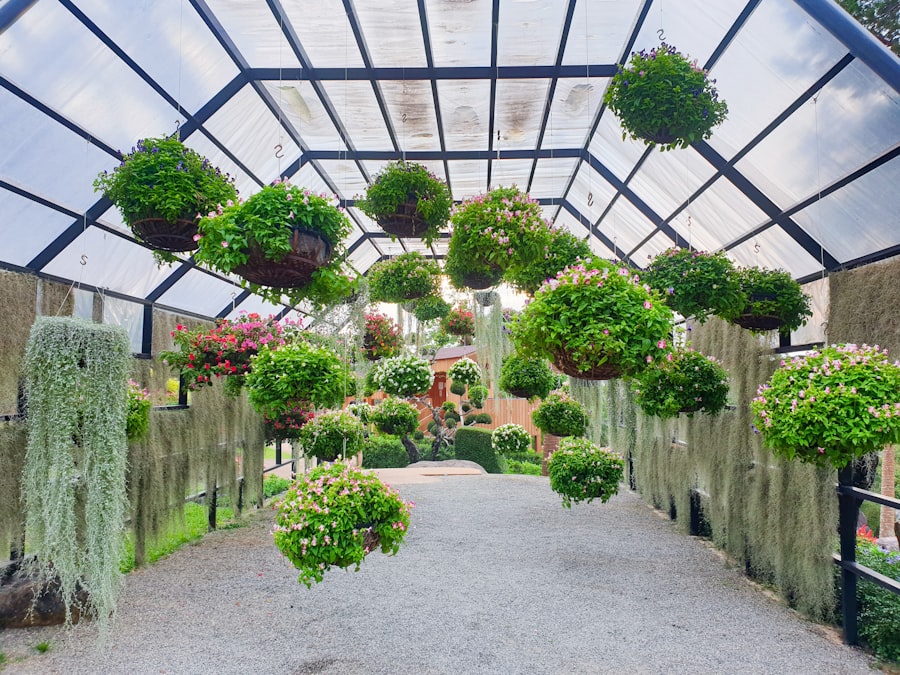
Ongoing maintenance is key to ensuring your vertical garden remains healthy and productive throughout its growing season. Regularly inspect your plants for signs of stress or disease; yellowing leaves or wilting may indicate issues with watering or nutrient deficiencies. Pruning is another essential maintenance task; removing dead or diseased foliage not only improves air circulation but also encourages new growth by redirecting energy to healthier parts of the plant.
Weeding is also an important aspect of care in any garden setting. Weeds compete with your vegetables for nutrients and water, so it’s crucial to keep them at bay. In a vertical garden, weeds may be less of an issue due to limited soil space; however, they can still sprout in containers or pockets if not monitored closely.
Hand-pulling weeds is often the most effective method in small spaces; be sure to remove them before they go to seed to prevent future infestations.
Dealing with Pests and Diseases in Your Vertical Garden
Pest management is an inevitable part of gardening that requires vigilance and proactive measures. Common pests such as aphids, spider mites, and whiteflies can quickly become problematic if left unchecked. In a vertical garden setting, these pests may be more visible due to their elevated position, allowing for easier monitoring.
Implementing integrated pest management (IPM) strategies can help minimize damage while reducing reliance on chemical pesticides. This approach includes introducing beneficial insects like ladybugs or lacewings that prey on harmful pests. Diseases can also pose a threat to your vertical garden’s health.
Fungal infections such as powdery mildew or blight can spread rapidly in humid conditions often found in densely planted areas.
If you notice signs of disease on any plants, promptly remove affected foliage and consider applying organic fungicides as needed.
Harvesting and Enjoying the Fruits of Your Vertical Garden
The culmination of your hard work in maintaining a vertical garden comes with the joy of harvesting your homegrown vegetables. Timing is crucial when it comes to harvesting; picking vegetables at their peak ripeness ensures optimal flavor and texture. For instance, tomatoes should be harvested when they are fully colored but still firm, while leafy greens like lettuce should be picked before they bolt or become bitter.
Once harvested, there are countless ways to enjoy the fruits of your labor. Freshly picked vegetables can be incorporated into salads, stir-fries, or even preserved through canning or freezing for later use. Sharing your bounty with friends and family not only spreads joy but also fosters community connections centered around gardening and sustainability.
The experience of growing your own food in a vertical garden not only enhances your culinary endeavors but also deepens your appreciation for nature’s bounty and the effort involved in cultivating it.
If you’re interested in expanding your gardening skills beyond vertical vegetable gardens, you might find it beneficial to explore other climbing plants that can enhance your garden’s aesthetic appeal. A great starting point is learning how to cultivate climbing roses, which can add a touch of elegance and color to your vertical spaces. For detailed guidance on this, check out the article on how to grow climbing roses on walls. This resource provides step-by-step instructions and tips to ensure your climbing roses thrive, complementing your vertical vegetable garden beautifully.
FAQs
What is a vertical vegetable garden?
A vertical vegetable garden is a method of growing vegetables in a vertical space, such as a wall, fence, or trellis, rather than in traditional horizontal garden beds.
What are the benefits of a vertical vegetable garden?
Vertical vegetable gardens can maximize limited space, provide better air circulation for plants, reduce the risk of pests and diseases, and make harvesting and maintenance easier.
What vegetables are suitable for a vertical garden?
Many vegetables can be grown in a vertical garden, including tomatoes, cucumbers, peppers, beans, peas, lettuce, spinach, and various herbs.
How do you build a vertical vegetable garden?
To build a vertical vegetable garden, you can use a variety of materials such as trellises, stakes, hanging planters, or repurposed items like pallets or gutters. It’s important to ensure that the structure is sturdy and can support the weight of the plants.
What are some tips for maintaining a vertical vegetable garden?
Regular watering, proper fertilization, pruning, and providing support for climbing plants are essential for maintaining a healthy vertical vegetable garden. It’s also important to regularly check for pests and diseases.
Can a vertical vegetable garden be grown indoors?
Yes, a vertical vegetable garden can be grown indoors using containers, shelves, or hanging planters. It’s important to provide adequate light and ventilation for indoor vertical gardens.