
Heirloom vegetables are varieties that have been cultivated and passed down through generations, often for 50 years or more, without significant alteration or hybridization. These plants are typically open-pollinated, meaning they can reproduce true to type when seeds are saved from the parent plants. The term “heirloom” itself evokes a sense of history and tradition, as these vegetables often carry stories of the families and communities that have nurtured them over time.
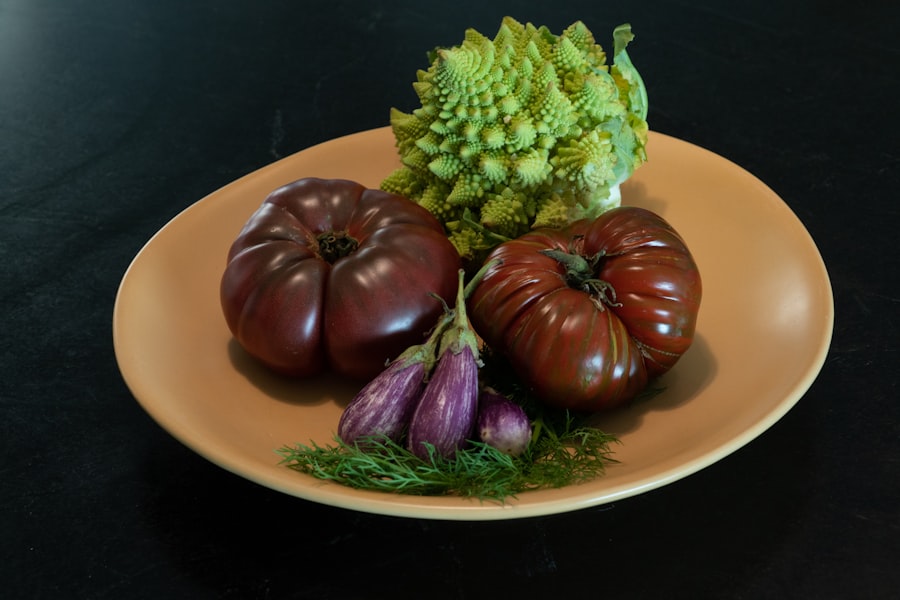
Unlike modern hybrids, which are bred for uniformity and shelf life, heirloom varieties are celebrated for their unique flavors, colors, and textures. The diversity found in heirloom vegetables is remarkable. They come in a wide array of shapes, sizes, and colors, ranging from the vibrant purple of an eggplant to the deep red of a Cherokee Purple tomato.
Each variety has its own distinct taste profile, often richer and more complex than that of commercially available produce. This diversity not only enhances culinary experiences but also contributes to biodiversity in agriculture, making heirloom vegetables an essential part of sustainable farming practices.
Key Takeaways
- Heirloom vegetables are traditional, open-pollinated varieties passed down through generations.
- Growing heirloom vegetables promotes biodiversity and offers unique flavors and nutritional benefits.
- Proper soil preparation, pest management, and selecting suitable varieties are key to successful heirloom gardening.
- Harvesting at the right time and using correct storage methods help maintain vegetable quality.
- Saving heirloom seeds ensures preservation of genetic diversity for future planting seasons.
The benefits of growing heirloom vegetables
Growing heirloom vegetables offers numerous advantages that extend beyond mere aesthetics or flavor. One of the most significant benefits is their contribution to biodiversity. In an era where monoculture farming practices dominate, cultivating heirloom varieties helps preserve genetic diversity within our food systems.
This diversity is crucial for resilience against pests, diseases, and changing climate conditions. By planting a variety of heirloom seeds, gardeners can create a more robust ecosystem that supports beneficial insects and soil health. Another compelling reason to grow heirloom vegetables is their superior taste.
Many gardeners and chefs alike argue that heirloom varieties often boast flavors that are far superior to those of their hybrid counterparts. For instance, the Brandywine tomato is renowned for its sweet, juicy flavor, which is often described as a quintessential summer taste. This emphasis on flavor not only enhances home cooking but also encourages a deeper appreciation for the food we consume.
Furthermore, growing heirlooms can foster a sense of connection to the past, as gardeners engage with the history and stories behind each variety.
Tips for growing heirloom vegetables
When embarking on the journey of growing heirloom vegetables, it is essential to start with a solid foundation of knowledge and preparation. One of the first steps is to select the right varieties suited to your local climate and growing conditions. Researching which heirlooms thrive in your area can save time and effort while ensuring a successful harvest.
Local gardening clubs or extension services can provide valuable insights into which varieties perform best in your region. Another critical aspect of growing heirloom vegetables is understanding their specific needs regarding sunlight, water, and soil conditions. Most heirlooms prefer full sun, requiring at least six hours of direct sunlight daily.
Additionally, consistent watering is vital; however, it’s important to avoid overwatering, which can lead to root rot or other issues. Implementing mulching techniques can help retain soil moisture while suppressing weeds. Regular monitoring for signs of stress or disease will allow gardeners to address issues promptly, ensuring healthy plants throughout the growing season.
Choosing the right heirloom vegetable varieties
Selecting the right heirloom vegetable varieties is a crucial step in ensuring a successful garden. The choice often depends on several factors, including climate, soil type, and personal taste preferences. For instance, if you live in a cooler climate with shorter growing seasons, you might opt for early-maturing varieties like the ‘Early Girl’ tomato or ‘Little Marvel’ sweet corn.
Conversely, gardeners in warmer regions may choose heat-tolerant varieties such as ‘Black Krim’ tomatoes or ‘Cascadia’ snap peas. In addition to climate considerations, personal culinary preferences play a significant role in variety selection. If you enjoy making sauces or salsas, you might gravitate towards flavorful varieties like ‘San Marzano’ tomatoes or ‘Anaheim’ peppers.
For those who appreciate unique colors and shapes, options like ‘Purple Haze’ carrots or ‘Yellow Pear’ tomatoes can add visual interest to your garden and plate. Engaging with local seed exchanges or heirloom seed catalogs can provide inspiration and access to rare varieties that may not be available in mainstream gardening stores.
Soil preparation and planting techniques for heirloom vegetables
Soil preparation is fundamental to the success of any garden, particularly when growing heirloom vegetables that may have specific nutrient requirements. A well-balanced soil rich in organic matter will provide the necessary nutrients for healthy plant growth. Before planting, it’s advisable to conduct a soil test to determine pH levels and nutrient content.
Most heirloom vegetables thrive in slightly acidic to neutral soil (pH 6.0-7.0). Based on test results, amendments such as compost, well-rotted manure, or organic fertilizers can be added to enhance soil fertility. When it comes to planting techniques, spacing is crucial for heirloom vegetables due to their diverse growth habits.
Some varieties may require more room to spread out than others; for example, sprawling plants like squash need ample space between them to prevent overcrowding and promote air circulation. Additionally, planting at the right depth is essential; seeds should be sown according to their specific requirements—generally at a depth of two to three times their diameter. Following these guidelines will help ensure robust growth and maximize yields.
Pest and disease management for heirloom vegetables
Managing pests and diseases in heirloom vegetable gardens requires a proactive approach that emphasizes prevention and natural remedies.
This includes practices such as crop rotation, companion planting, and encouraging beneficial insects like ladybugs and lacewings that prey on common pests.
Regular monitoring is essential for early detection of pest infestations or disease symptoms. For instance, aphids may cluster on new growth or undersides of leaves, while powdery mildew can manifest as white spots on foliage. If pests are detected, organic solutions such as neem oil or insecticidal soap can be effective without harming beneficial insects or the environment.
Additionally, maintaining good garden hygiene—such as removing debris and practicing proper watering techniques—can significantly reduce disease incidence.
Harvesting and storing heirloom vegetables
Harvesting heirloom vegetables at the right time is crucial for achieving optimal flavor and texture. Each variety has its own ideal harvest window; for example, tomatoes should be picked when they are fully colored but still firm to the touch, while beans should be harvested when they are plump but before they begin to dry out on the plant. Regular harvesting encourages continued production in many crops; for instance, picking zucchini frequently can lead to increased fruit set.
Once harvested, proper storage techniques are essential to maintain freshness and flavor. Many heirloom vegetables do best when stored in cool, dark places with good air circulation; for example, root vegetables like carrots and beets can be stored in sand or sawdust in a root cellar or refrigerator crisper drawer. Tomatoes should ideally be kept at room temperature away from direct sunlight to preserve their flavor profile.
Understanding the specific storage needs of each variety will help ensure that your harvest remains delicious long after it has been picked.
Preserving heirloom vegetable seeds for future generations
Preserving heirloom vegetable seeds is an important practice that allows gardeners to maintain genetic diversity while ensuring access to these unique varieties for future generations. The process begins with selecting healthy plants from which to save seeds; it’s best to choose those that exhibit desirable traits such as vigor and disease resistance. Once selected, seeds should be allowed to mature fully on the plant before being harvested.
After harvesting, proper cleaning and drying of seeds are crucial for long-term storage. Seeds should be cleaned of any plant material and then dried thoroughly in a cool, dark place with good airflow—this helps prevent mold growth during storage. Once dried, seeds can be stored in airtight containers such as glass jars or vacuum-sealed bags placed in a cool location away from light and moisture.
By engaging in these practices, gardeners not only preserve the rich heritage of heirloom vegetables but also contribute to a sustainable future where diverse food systems thrive. The act of saving seeds becomes a meaningful connection between generations—an opportunity to share stories about the past while nurturing the future of our food culture.
Growing heirloom vegetables not only preserves biodiversity but also enhances the flavor and nutritional value of your garden produce. For those interested in expanding their gardening repertoire, you might find the article on how to grow passionflower vines particularly useful. This article provides insights into cultivating a beautiful and productive vine that can complement your heirloom vegetable garden, adding both aesthetic appeal and attracting beneficial pollinators.
FAQs
What are heirloom vegetables?
Heirloom vegetables are varieties of vegetables that have been passed down through generations, often for 50 years or more. They are open-pollinated, meaning they are pollinated naturally by insects, birds, wind, or human hands, and they tend to have unique flavors, colors, and shapes compared to modern hybrid varieties.
What are the benefits of growing heirloom vegetables?
Growing heirloom vegetables offers several benefits, including preserving genetic diversity, enjoying superior taste and unique flavors, supporting sustainable gardening practices, and saving seeds for future planting. They also often have historical and cultural significance.
Are heirloom vegetables more difficult to grow than hybrid varieties?
Heirloom vegetables can sometimes be more sensitive to pests and diseases compared to hybrids, which are often bred for resistance. However, with proper care, soil preparation, and pest management, heirloom vegetables can be successfully grown in home gardens.
Can I save seeds from heirloom vegetables?
Yes, one of the key advantages of heirloom vegetables is that they are open-pollinated, allowing gardeners to save seeds from their harvest to plant in subsequent seasons. This helps maintain the variety and reduces the need to purchase new seeds each year.
Do heirloom vegetables yield less than hybrid varieties?
Heirloom vegetables may sometimes produce lower yields compared to hybrids, which are bred for higher productivity. However, many gardeners find the superior flavor and diversity of heirlooms to be worth the trade-off.
What are some tips for successfully growing heirloom vegetables?
To grow heirloom vegetables successfully, start with quality seeds, prepare well-drained and nutrient-rich soil, provide adequate sunlight, water consistently, and monitor for pests and diseases. Crop rotation and companion planting can also help maintain plant health.
Where can I buy heirloom vegetable seeds?
Heirloom vegetable seeds can be purchased from specialized seed companies, garden centers, farmers’ markets, and online retailers that focus on heritage and open-pollinated varieties.
Are heirloom vegetables more nutritious than hybrid vegetables?
Heirloom vegetables are often praised for their rich flavors and sometimes higher nutrient content, but nutritional differences between heirloom and hybrid varieties can vary widely depending on the specific vegetable and growing conditions.
Can heirloom vegetables be grown in any climate?
Heirloom vegetables can be grown in a variety of climates, but it is important to select varieties suited to your local growing conditions and season length for the best results.
Do heirloom vegetables require special care?
While heirloom vegetables do not necessarily require special care, they may benefit from attentive gardening practices such as regular watering, pest monitoring, and soil enrichment to thrive.