
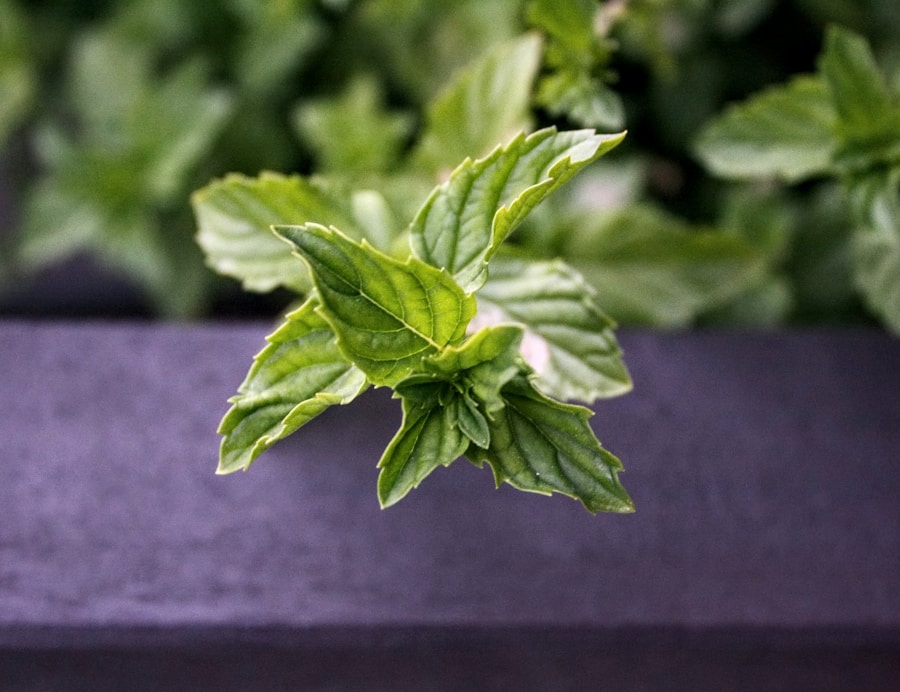
Mint plants belong to the Lamiaceae family, which encompasses a wide variety of aromatic herbs. Known for their distinctive fragrance and flavor, mint species such as spearmint (Mentha spicata) and peppermint (Mentha × piperita) are commonly used in culinary applications, herbal remedies, and even cosmetics. Mint is characterized by its square stems, opposite leaves, and small flowers that can vary in color from white to purple.
One of the most notable features of mint is its vigorous growth habit; it can spread rapidly through underground rhizomes, making it both a beloved herb and a potential garden nuisance. The adaptability of mint plants allows them to thrive in various environments, from moist woodlands to sunny gardens. They prefer well-drained soil rich in organic matter and can tolerate partial shade, although they flourish best in full sun.
Mint’s resilience is partly due to its ability to produce essential oils, which not only contribute to its aromatic qualities but also serve as a natural defense mechanism against pests. Understanding these characteristics is crucial for anyone looking to cultivate mint successfully, as it informs decisions about planting, care, and management.
Key Takeaways
- Mint plants are fast-growing and invasive, so it’s important to understand their nature and growth habits before planting.
- When choosing a variety of mint, consider factors such as flavor, growth habit, and intended use (culinary, medicinal, etc.).
- To contain mint in a controlled environment, consider planting in pots, using barriers, or creating a designated area for the mint to grow.
- Regular pruning and maintenance are essential for keeping mint plants healthy and preventing them from becoming too unruly.
- Using barriers such as underground barriers or planting in containers can help prevent mint from spreading uncontrollably in the garden.
- Harvest mint strategically by picking leaves regularly to encourage new growth and prevent the plant from becoming too leggy.
- Managing mint in pots or containers can help control its growth and prevent it from taking over the garden.
- Utilizing natural repellents such as companion planting with strong-smelling herbs can help control the spreading of mint in the garden.
Choosing the right variety of mint
When selecting a variety of mint for cultivation, it is essential to consider the intended use, as different species offer unique flavors and aromas. Spearmint is often favored for culinary purposes due to its sweet, mild flavor, making it a popular choice for dishes like tabbouleh or beverages such as mojitos. On the other hand, peppermint has a more intense flavor profile and is commonly used in teas, candies, and medicinal applications.
Other varieties, such as chocolate mint or apple mint, provide distinct tastes that can enhance specific recipes or beverages. In addition to flavor, the growth habits of different mint varieties should also be taken into account. Some mints are more aggressive than others; for instance, peppermint tends to spread more rapidly than spearmint.
Gardeners should assess their available space and the potential for mint to overtake other plants before making a selection. Furthermore, considering local climate conditions can help determine which varieties will thrive best in a given area. For example, certain mints may be more tolerant of heat or drought, while others may prefer cooler, moist environments.
Containing mint in a controlled environment
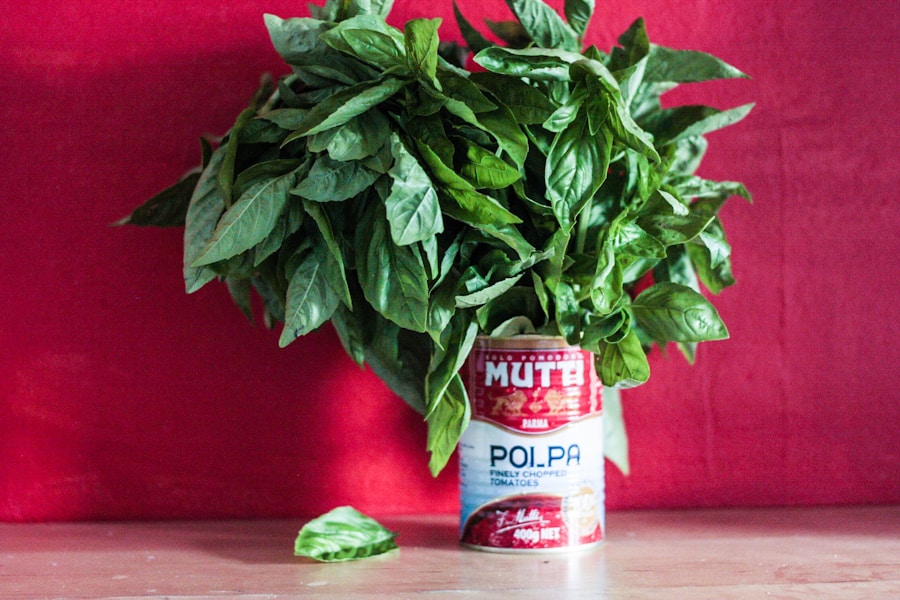
Given mint’s propensity for aggressive growth, containing it within a controlled environment is often necessary to prevent it from overtaking other plants in the garden. One effective method is to plant mint in raised beds or designated garden plots with barriers that restrict its rhizomatic spread. Using materials such as landscape fabric or plastic sheeting can help create a physical barrier that limits the growth of roots beyond the desired area.
Another approach involves utilizing pots or containers for growing mint. This method not only confines the plant’s growth but also allows for greater control over soil conditions and moisture levels. When using containers, it is essential to choose pots that are large enough to accommodate the root system while ensuring proper drainage.
Additionally, selecting a high-quality potting mix enriched with organic matter can promote healthy growth and robust flavor development in the leaves.
Regular pruning and maintenance
Regular pruning is vital for maintaining the health and vigor of mint plants. By trimming back the stems and leaves periodically, gardeners can encourage bushier growth and prevent the plants from becoming leggy or overgrown. Pruning also helps to remove any dead or diseased foliage, which can harbor pests and diseases that threaten the overall health of the plant.
In addition to pruning, consistent maintenance practices such as watering and fertilizing are essential for optimal growth. Mint prefers consistently moist soil but can suffer from root rot if overwatered. Therefore, monitoring soil moisture levels and adjusting watering schedules accordingly is crucial.
Fertilizing with a balanced organic fertilizer during the growing season can also enhance leaf production and flavor intensity. By combining regular pruning with attentive maintenance, gardeners can cultivate healthy mint plants that yield abundant harvests.
Using barriers to prevent spreading
To effectively manage the spread of mint in a garden setting, implementing physical barriers is an essential strategy. These barriers can take various forms, including underground edging materials like metal or plastic garden borders that extend at least 12 inches deep into the soil. This depth is crucial because mint’s rhizomes can grow quite deep; thus, barriers must be sufficiently buried to prevent them from escaping into surrounding areas.
Another effective barrier method involves using large containers or pots that are sunk into the ground. This technique not only confines the roots but also allows for easy access when harvesting leaves. Additionally, gardeners can consider planting mint in areas where its spread will be less problematic, such as along pathways or in designated herb gardens where it can be contained without interfering with other plants.
Harvesting mint strategically
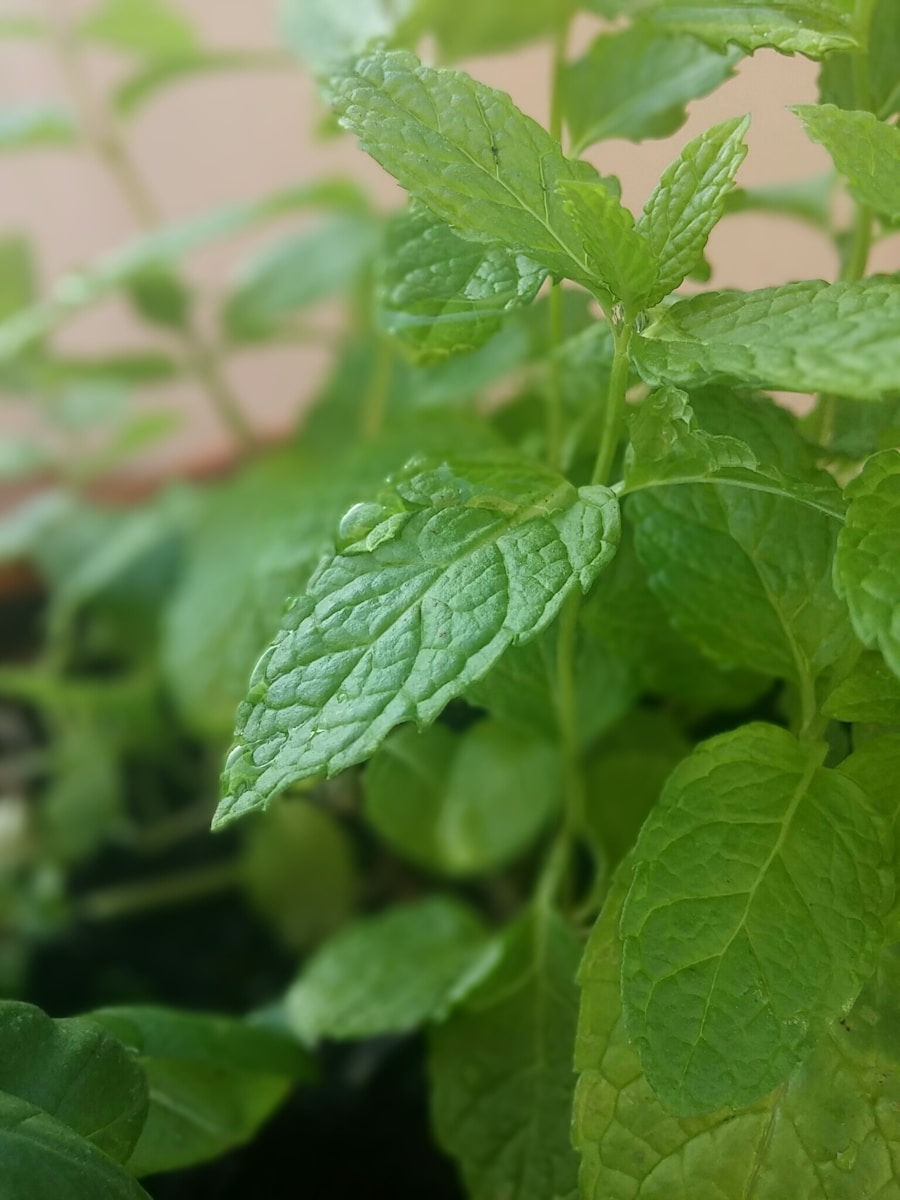
Encouraging New Growth
By cutting back the stems at this stage, gardeners can encourage new growth and prolong the harvesting season. When harvesting mint, it is advisable to use sharp scissors or pruning shears to make clean cuts that minimize damage to the plant. Cutting stems just above a leaf node encourages branching and results in bushier growth.
Preserving Mint for Later Use
Additionally, leaving some leaves on the plant ensures that it can continue photosynthesis and thrive after harvesting. For those looking to preserve mint for later use, drying or freezing harvested leaves can maintain their flavor and aroma for months.
Harvesting Tips
When harvesting mint, it is important to remember to leave some leaves on the plant to ensure it can continue to thrive. Using sharp scissors or pruning shears will also help to minimize damage to the plant and encourage healthy growth.
Managing mint in pots or containers
Growing mint in pots or containers offers several advantages, particularly for gardeners concerned about its invasive nature. Container gardening allows for greater control over soil conditions and moisture levels while preventing unwanted spreading into garden beds. When selecting pots for mint cultivation, it is essential to choose containers that are at least 12 inches deep and wide enough to accommodate the root system comfortably.
Proper drainage is critical when growing mint in containers; therefore, ensuring that pots have adequate drainage holes is essential to prevent waterlogging. A well-draining potting mix enriched with organic matter will provide the necessary nutrients while allowing excess water to escape easily. Regular monitoring of soil moisture levels is also important; container-grown mint may require more frequent watering than plants grown directly in the ground due to faster evaporation rates.
Utilizing natural repellents to control spreading
In addition to physical barriers and careful management practices, utilizing natural repellents can be an effective strategy for controlling the spread of mint plants. Certain companion plants can deter mint’s aggressive growth while enhancing overall garden health.
Moreover, employing organic mulches around mint plants can help suppress weed growth while retaining soil moisture. Mulching with materials such as straw or wood chips not only provides aesthetic benefits but also creates a barrier that limits light penetration to potential weeds that might compete with mint for resources. By integrating these natural repellents into a comprehensive management plan, gardeners can enjoy the benefits of growing mint without succumbing to its invasive tendencies.
If you’re looking for more tips on growing plants without them taking over your garden, you might want to check out this article on b6g.
net/how-to-grow-plant/how-to-grow-ivy-indoors/’>how to grow ivy indoors. Just like mint, ivy can be a beautiful addition to your home or garden, but it can quickly become invasive if not properly managed. This article provides helpful advice on how to care for ivy and prevent it from spreading out of control.
FAQs
What is mint and why does it spread?
Mint is a perennial herb that is known for its rapid spreading nature. It spreads through its underground rhizomes, which can quickly take over a garden if not properly contained.
How can I grow mint without it spreading?
To grow mint without it spreading, you can plant it in a container or a sunken bottomless pot in the ground to contain its roots. Regularly trim the mint to prevent it from flowering and producing seeds, which can also help control its spread.
What are some other tips for controlling mint’s spread?
You can also consider planting mint in a location where it is surrounded by concrete or other barriers to prevent its rhizomes from spreading. Regularly dividing and replanting the mint can also help keep it in check.
Can I still enjoy the benefits of mint without it spreading uncontrollably?
Yes, by taking the necessary precautions to contain its growth, you can still enjoy the culinary and medicinal benefits of mint without it taking over your garden. Just be mindful of its spreading nature and take proactive measures to control it.