
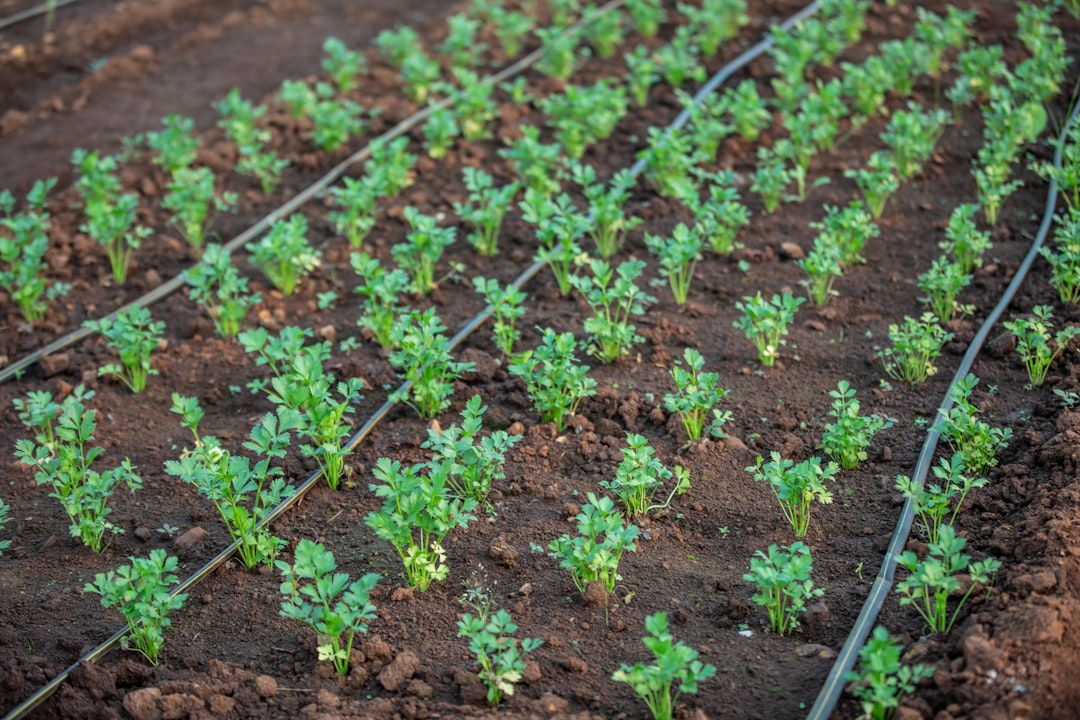
Selecting the appropriate seeds is a fundamental step in the gardening process, as it lays the groundwork for a successful harvest. The choice of seeds should be influenced by several factors, including climate, soil type, and personal preferences. For instance, if you live in a region with a short growing season, opting for fast-maturing varieties can be advantageous.
Heirloom seeds, which are open-pollinated and have been passed down through generations, offer unique flavors and resilience, making them a popular choice among gardeners who value biodiversity. Conversely, hybrid seeds may provide higher yields and disease resistance, appealing to those looking for efficiency in their gardening efforts. Additionally, understanding the specific requirements of each vegetable is crucial.
Some plants thrive in cooler temperatures, while others prefer warmth. For example, lettuce and spinach are ideal for early spring planting, whereas tomatoes and peppers flourish in the heat of summer. It is also essential to consider the space available for planting; some vegetables, like zucchini and cucumbers, require ample room to spread out, while others, such as radishes and carrots, can be grown in tighter spaces.
By carefully selecting seeds that align with your local conditions and gardening goals, you set the stage for a fruitful growing season.
Key Takeaways
- Choose seeds that are suitable for your climate and growing conditions
- Prepare the soil by removing weeds and adding organic matter for nutrients
- Plant seeds at the recommended depth and spacing for optimal growth
- Water regularly and fertilize as needed to promote healthy plant growth
- Ensure your vegetables receive at least 6-8 hours of sunlight per day for best results
- Thin out overcrowded seedlings and transplant as necessary for proper spacing
- Protect your plants from pests and diseases with natural or chemical methods
- Harvest your vegetables at the peak of ripeness and enjoy the fruits of your labor
Preparing the Soil
Soil preparation is a critical aspect of gardening that directly impacts plant health and productivity. The first step in this process involves testing the soil to determine its pH level and nutrient content. A soil test can reveal deficiencies or imbalances that may hinder plant growth.
For instance, if the soil is too acidic or alkaline, it can affect nutrient availability. Based on the results, amendments such as lime or sulfur can be added to adjust pH levels, while organic matter like compost can enhance soil fertility and structure. Once the soil has been tested and amended as necessary, it is time to cultivate it.
This involves tilling or turning the soil to aerate it and break up compacted areas. Incorporating organic matter during this stage not only improves soil texture but also promotes beneficial microbial activity. A well-aerated soil allows roots to penetrate more easily and access water and nutrients.
Additionally, removing weeds and debris from the planting area is essential to prevent competition for resources. By investing time in proper soil preparation, gardeners create an optimal environment for seed germination and root development.
Planting the Seeds
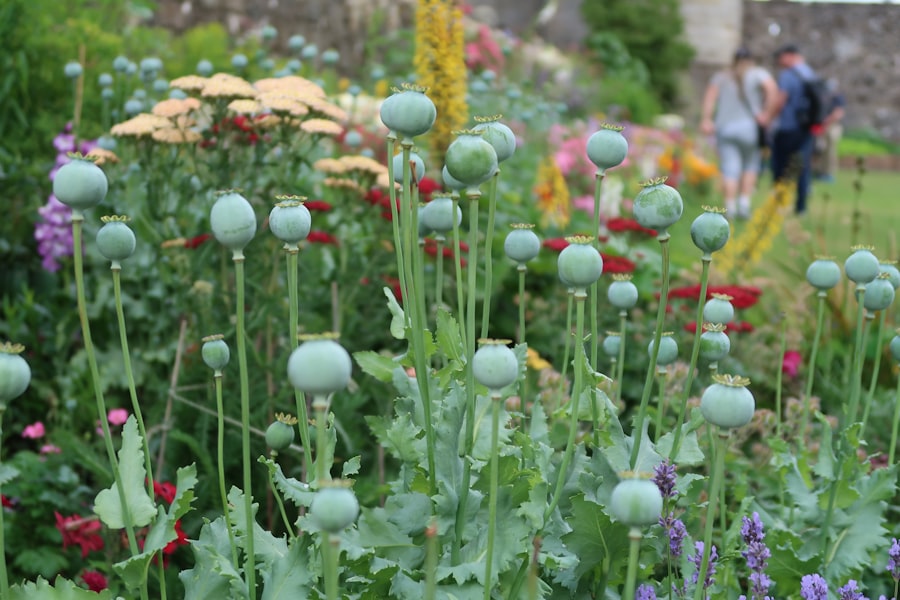
The actual planting of seeds is an exciting phase in the gardening journey, marking the transition from preparation to growth. Timing is crucial; planting too early or too late can lead to poor germination rates or stunted growth. Many gardeners refer to local planting calendars or guidelines based on frost dates to determine the best time for sowing seeds outdoors.
For instance, cool-season crops like peas and kale can be sown as soon as the soil can be worked in spring, while warm-season crops like corn and beans should be planted after the last frost date. When it comes to planting techniques, there are various methods to consider depending on the type of vegetable and the desired outcome. Direct sowing involves placing seeds directly into the soil at the appropriate depth and spacing, which is common for crops like carrots and radishes.
Alternatively, starting seeds indoors can give plants a head start before transplanting them outdoors. This method is particularly beneficial for long-season crops such as tomatoes and peppers, allowing gardeners to maximize their growing season. Regardless of the method chosen, ensuring that seeds are planted at the correct depth and spacing is vital for optimal growth.
Watering and Fertilizing
Watering is an essential component of plant care that significantly influences growth and yield. Newly planted seeds require consistent moisture to germinate successfully; however, overwatering can lead to rot or fungal diseases. A general rule of thumb is to keep the top inch of soil consistently moist but not soggy.
Using a gentle spray or watering can helps avoid displacing seeds or damaging delicate seedlings. As plants mature, their water needs will change; larger plants typically require more water than seedlings. Fertilizing is another critical aspect of maintaining healthy plants.
Organic fertilizers such as compost, well-rotted manure, or fish emulsion provide essential nutrients while improving soil structure over time. For those who prefer synthetic options, balanced fertilizers with equal parts nitrogen, phosphorus, and potassium can support overall plant health.
It’s important to follow application guidelines carefully to avoid nutrient burn or imbalances that could hinder growth.
Providing Adequate Sunlight
Sunlight is a vital resource for plants, as it drives photosynthesis—the process by which plants convert light energy into chemical energy for growth. Most vegetables require at least six hours of direct sunlight each day to thrive; however, some leafy greens can tolerate partial shade. When planning your garden layout, consider the sun’s path throughout the day and how shadows from nearby structures or trees may affect light availability.
In situations where sunlight is limited, gardeners can employ various strategies to maximize exposure. For instance, using reflective materials such as white plastic or aluminum foil around plants can help bounce light onto them. Additionally, vertical gardening techniques—such as trellising—can elevate plants closer to sunlight while saving ground space.
Understanding the light requirements of each vegetable variety allows gardeners to make informed decisions about placement within their garden beds.
Thinning and Transplanting
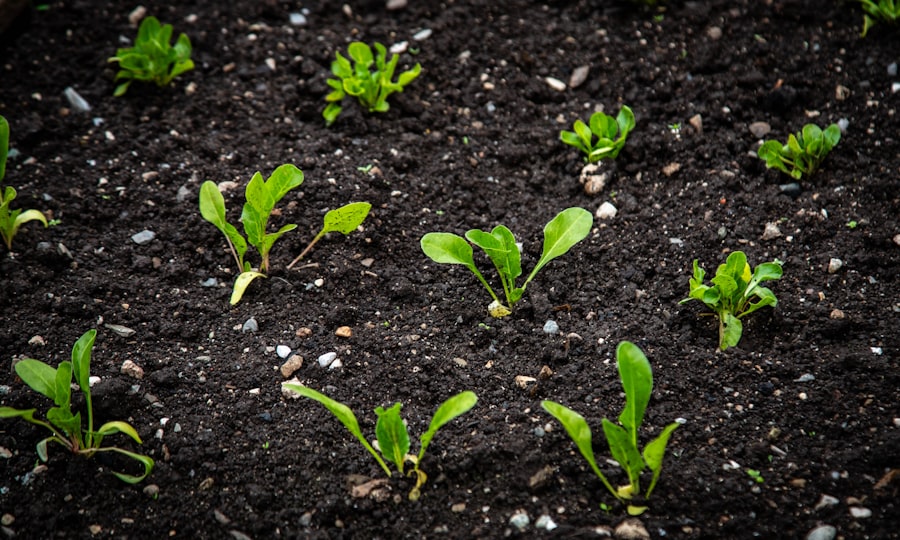
Thinning seedlings is an important practice that ensures adequate space for each plant to grow without competition for resources. When seeds are sown directly into the ground, they often germinate in clusters due to variations in seed size and germination rates. Thinning involves selectively removing weaker seedlings to allow stronger ones room to develop fully.
This process not only promotes healthier plants but also improves air circulation around them, reducing the risk of disease. Transplanting is another critical aspect of managing plant density and optimizing growth potential. When starting seeds indoors or in a controlled environment, seedlings may need to be moved to larger containers or directly into garden beds once they reach a certain size.
This process should be done carefully to minimize root disturbance; gently loosening the soil around the seedling and lifting it by its leaves rather than the stem helps protect delicate roots. Timing is also essential; transplanting should occur on cloudy days or during cooler parts of the day to reduce transplant shock.
Protecting from Pests and Diseases
The battle against pests and diseases is an ongoing challenge for gardeners seeking to maintain healthy crops. Various insects—such as aphids, caterpillars, and beetles—can wreak havoc on vegetable plants if left unchecked. Integrated Pest Management (IPM) strategies combine cultural practices, biological controls, and chemical interventions when necessary to manage pest populations effectively.
For example, introducing beneficial insects like ladybugs can help control aphid populations naturally. Preventative measures are equally important in safeguarding plants from diseases caused by pathogens such as fungi or bacteria. Crop rotation is a fundamental practice that helps disrupt disease cycles by preventing specific pathogens from establishing themselves in the soil year after year.
Additionally, ensuring proper spacing between plants improves air circulation and reduces humidity levels around foliage—conditions that favor disease development. Regular monitoring of plants for early signs of distress allows gardeners to take action before problems escalate.
Harvesting and Enjoying Your Vegetables
The culmination of months of hard work comes with harvesting your vegetables—a rewarding experience that showcases the fruits of your labor. Timing is crucial during this phase; harvesting too early can result in underdeveloped flavors while waiting too long may lead to overripe produce that loses quality. Each vegetable has its own indicators of ripeness; for example, tomatoes should be harvested when they are fully colored but still firm, while zucchini should be picked when they are small and tender.
Once harvested, proper handling and storage techniques are essential to maintain freshness and flavor. Many vegetables benefit from being washed gently before storage to remove dirt but should be dried thoroughly to prevent rot during storage. Some crops—like carrots and potatoes—can be stored in cool, dark places for extended periods, while others—like leafy greens—are best consumed shortly after harvest for optimal taste and nutrition.
Sharing your bounty with friends and family not only enhances enjoyment but also fosters a sense of community around home gardening practices.
Starting a vegetable garden from seeds can be a rewarding endeavor, offering fresh produce right from your backyard. For those interested in expanding their gardening skills beyond vegetables, you might find it intriguing to explore how to cultivate other plants, such as pecan trees. An article that complements your gardening journey is How to Grow Pecan Trees in Your Backyard. This guide provides insights into growing pecan trees, which can be a great addition to your garden, offering shade and delicious nuts over time.
FAQs
What are the benefits of starting a vegetable garden from seeds?
Starting a vegetable garden from seeds allows for a wider variety of plant options, is more cost-effective than buying seedlings, and can be a rewarding and educational experience for gardeners of all levels.
When is the best time to start a vegetable garden from seeds?
The best time to start a vegetable garden from seeds depends on the specific plants being grown and the climate of the region. In general, seeds can be started indoors 4-6 weeks before the last expected frost date, and directly sown into the garden after the danger of frost has passed.
What supplies do I need to start a vegetable garden from seeds?
To start a vegetable garden from seeds, you will need seeds, seed starting mix, containers or trays, a watering can or spray bottle, and access to natural light or grow lights. Optional supplies include a heat mat for germination and a humidity dome for maintaining moisture.
How do I start a vegetable garden from seeds indoors?
To start a vegetable garden from seeds indoors, fill containers with seed starting mix, plant seeds at the recommended depth, water gently, and place in a warm, sunny location or under grow lights. Keep the soil consistently moist and provide adequate ventilation for healthy seedling growth.
What are some common mistakes to avoid when starting a vegetable garden from seeds?
Common mistakes to avoid when starting a vegetable garden from seeds include planting seeds too deeply, overwatering or underwatering, not providing enough light, and not hardening off seedlings before transplanting them outdoors. It’s also important to use fresh, high-quality seeds for best results.
How do I transplant seedlings from indoors to the garden?
Before transplanting seedlings from indoors to the garden, it’s important to harden them off by gradually exposing them to outdoor conditions. Once hardened off, plant seedlings in well-prepared soil, water thoroughly, and provide protection from extreme weather conditions until they become established.