

The practice of home gardening has surged in popularity, driven by a desire for fresh, organic produce and a deeper connection to the food we consume. As gardeners cultivate their fruits, vegetables, and herbs, the question of how to store this bounty becomes paramount. Proper storage techniques not only extend the shelf life of homegrown produce but also preserve its flavor, nutritional value, and overall quality.
Understanding the nuances of produce storage can transform a seasonal harvest into a year-round supply of fresh ingredients, allowing gardeners to enjoy the fruits of their labor long after the growing season has ended. Homegrown produce is often more flavorful and nutrient-dense than store-bought alternatives, making effective storage even more critical. The methods employed for storage can vary significantly based on the type of produce, its ripeness at harvest, and the intended duration of storage.
From simple techniques like refrigeration to more complex methods such as canning and freezing, each approach has its own set of best practices. By mastering these techniques, gardeners can minimize waste, save money, and ensure that their homegrown treasures remain delicious and nutritious throughout the year.
Key Takeaways
- Proper storage of homegrown produce can help extend its shelf life and preserve its quality.
- Choosing the right containers for storage is essential to maintain the freshness of produce.
- Cleaning and preparing produce before storage is crucial to prevent spoilage and contamination.
- Utilizing root cellars and cold storage can help preserve produce for long-term storage.
- Canning and freezing techniques can extend the shelf life of produce and help reduce food waste.
Choosing the Right Containers for Storage
Selecting appropriate containers for storing homegrown produce is essential for maintaining freshness and preventing spoilage. The choice of container can significantly impact the longevity of fruits and vegetables. For instance, breathable materials such as burlap or mesh bags are ideal for storing root vegetables like potatoes and onions, as they allow for air circulation while protecting the produce from light exposure.
Conversely, airtight containers are better suited for items that are prone to moisture loss or contamination, such as berries or leafy greens. Glass jars are a popular choice for many gardeners due to their non-reactive nature and ability to create a vacuum seal when properly processed. They are particularly effective for canning purposes, allowing for long-term storage without the risk of chemical leaching that can occur with some plastics.
Additionally, plastic containers with vented lids can be useful for short-term storage in the refrigerator, as they help maintain humidity levels while preventing excess moisture buildup that could lead to mold growth. Ultimately, the right container will depend on the specific type of produce being stored and the desired storage duration.
Proper Cleaning and Preparing of Produce for Storage

Before storing homegrown produce, it is crucial to clean and prepare it properly to maximize its shelf life.
For leafy greens, a thorough rinse under cool running water is often sufficient, while root vegetables may benefit from a scrub with a vegetable brush to ensure all soil particles are removed.
It is important to avoid soaking produce in water for extended periods, as this can lead to waterlogging and accelerate spoilage. After cleaning, proper drying is essential. Excess moisture can create an environment conducive to mold growth and decay.
For leafy greens, using a salad spinner can effectively remove water without bruising the leaves. For other types of produce, patting them dry with a clean kitchen towel or allowing them to air dry on a clean surface can help eliminate moisture. Additionally, trimming any damaged or bruised areas before storage is vital; these spots can serve as entry points for bacteria and fungi, leading to quicker spoilage.
Utilizing Root Cellars and Cold Storage for Long-Term Preservation
Root cellars have been a traditional method of preserving produce for centuries, providing an ideal environment for long-term storage. These underground structures maintain consistent temperatures and humidity levels that are conducive to keeping fruits and vegetables fresh for extended periods. The optimal temperature range for a root cellar is typically between 32°F and 40°F (0°C to 4°C), with humidity levels around 85% to 95%.
This environment slows down respiration rates in produce, thereby extending its shelf life significantly. In addition to root cellars, cold storage options such as refrigerators or dedicated coolers can also be effective for preserving homegrown produce. Many fruits and vegetables benefit from refrigeration; however, it is essential to understand which items should be stored in cold conditions and which should not.
For example, tomatoes and potatoes are best kept at room temperature to preserve their flavor and texture, while leafy greens thrive in cooler environments. By utilizing both root cellars and cold storage methods effectively, gardeners can ensure that their harvest remains fresh and flavorful throughout the year.
Using Canning and Freezing Techniques for Extended Shelf Life
Canning and freezing are two popular methods for extending the shelf life of homegrown produce beyond what traditional storage methods can offer. Canning involves sealing food in airtight containers and heating them to kill bacteria and enzymes that cause spoilage. This method is particularly effective for high-acid foods like tomatoes, fruits, and pickles.
Pressure canning is necessary for low-acid foods such as green beans or corn to ensure safety by reaching higher temperatures that eliminate harmful microorganisms. Freezing is another excellent option for preserving produce while retaining its nutritional value and flavor. Most fruits and vegetables can be frozen successfully; however, blanching certain items before freezing—such as green beans or broccoli—can help preserve color, texture, and nutrients by inactivating enzymes that cause spoilage.
After blanching, it’s crucial to cool the produce quickly in ice water before packaging it in airtight freezer bags or containers. This method allows gardeners to enjoy their homegrown bounty long after the growing season has ended.
Different types of produce require tailored storage techniques to maintain their quality over time. For instance, apples should be stored in a cool place with good air circulation; they release ethylene gas, which can hasten ripening in nearby fruits if not properly managed.
On the other hand, berries are best kept in shallow containers lined with paper towels to absorb excess moisture while allowing air circulation; they should be consumed within a few days of harvest due to their delicate nature. Herbs also require special attention when it comes to storage. Fresh herbs like basil or cilantro can be stored upright in a glass of water at room temperature or wrapped in a damp paper towel and placed in a plastic bag in the refrigerator.
This method helps maintain their moisture levels while preventing wilting. Dried herbs should be stored in airtight containers away from light and heat sources to preserve their flavor over time. Understanding these specific needs allows gardeners to optimize their storage practices based on the unique characteristics of each type of produce.
Organizing and Labeling Stored Produce for Easy Access
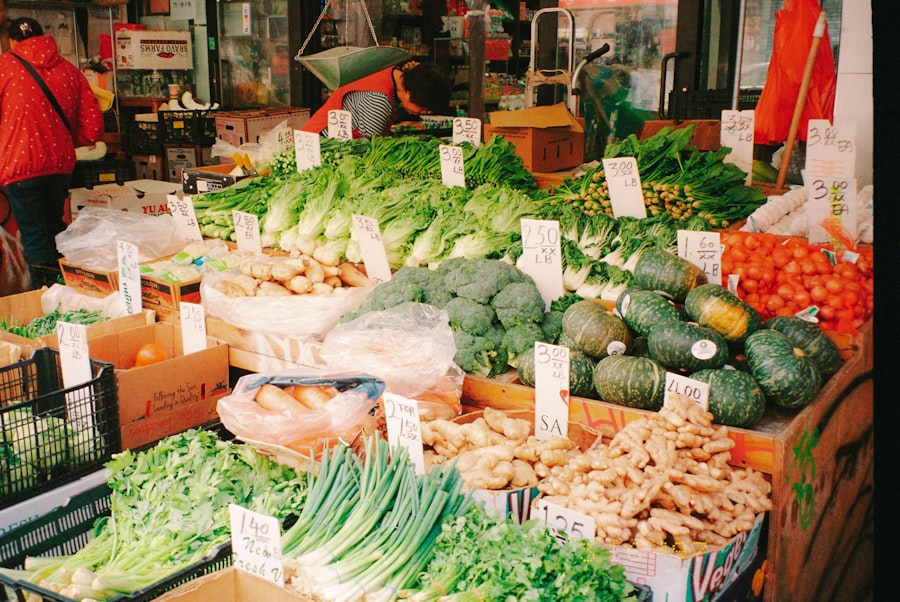
An organized storage system is essential for efficiently managing homegrown produce. When items are stored haphazardly, it becomes challenging to locate specific fruits or vegetables when needed, leading to potential waste as forgotten items spoil unnoticed. One effective strategy is to categorize produce by type—fruits in one section, vegetables in another—and further subdivide them based on ripeness or intended use.
This organization not only streamlines meal preparation but also helps ensure that older items are used first. Labeling containers is another crucial aspect of effective organization. Clear labels indicating the contents and date of storage can prevent confusion and help track freshness over time.
For example, using masking tape or adhesive labels on jars or bags allows gardeners to easily identify what they have on hand at a glance. Additionally, incorporating a rotation system—where newer items are placed behind older ones—can further minimize waste by encouraging the use of items that are nearing their expiration date.
Monitoring and Maintaining the Quality of Stored Produce
Regular monitoring of stored produce is vital for maintaining quality over time. Even with proper storage techniques in place, fruits and vegetables can still deteriorate due to factors such as temperature fluctuations or moisture levels. Gardeners should routinely check stored items for signs of spoilage—such as soft spots, mold growth, or off odors—and remove any affected produce immediately to prevent contamination of surrounding items.
Maintaining optimal conditions within storage areas is equally important. For root cellars or cold storage spaces, monitoring temperature and humidity levels using thermometers or hygrometers can help ensure that conditions remain stable. If using refrigeration or freezers, keeping an eye on door seals and ensuring that appliances are functioning correctly will prevent unwanted temperature changes that could compromise stored produce quality.
By actively managing these factors, gardeners can enjoy their homegrown harvests at their best throughout the year.
If you’re interested in maximizing the freshness and longevity of your homegrown produce, you might also want to explore the best practices for cultivating your own vegetables. A great starting point is learning how to grow radishes, which are not only easy to cultivate but also quick to harvest. For detailed guidance on this, check out the article on how to grow radishes in containers. This resource provides step-by-step instructions on container gardening, making it accessible even for those with limited space. By mastering the art of growing radishes, you can enjoy fresh produce right from your garden, complementing your efforts to store and preserve your harvest effectively.
FAQs
What are the best ways to store homegrown produce?
The best ways to store homegrown produce include using root cellars, refrigerators, freezers, canning, pickling, and dehydrating.
What is a root cellar and how does it help in storing produce?
A root cellar is a cool, dark, and humid storage space that helps in storing produce by providing the ideal conditions for many fruits and vegetables to stay fresh for an extended period of time.
How can refrigerators and freezers be used to store homegrown produce?
Refrigerators can be used to store produce that needs to be kept cool, while freezers can be used to store produce that needs to be frozen to maintain its freshness.
What is canning and how does it help in preserving produce?
Canning is a method of preserving produce by sealing it in airtight containers and heating it to destroy microorganisms that cause spoilage. This helps in extending the shelf life of the produce.
How does pickling help in preserving homegrown produce?
Pickling involves preserving produce in a solution of vinegar, salt, and spices, which helps in extending the shelf life of the produce and adding flavor to it.
What is dehydrating and how does it help in storing produce?
Dehydrating involves removing the moisture from produce, which helps in preventing the growth of microorganisms and extending the shelf life of the produce.