
Selecting the appropriate plants for indoor gardening is a crucial first step that can significantly influence the success of your indoor garden. When considering which plants to grow, it is essential to evaluate factors such as light availability, temperature, and humidity levels in your indoor environment. Some plants thrive in low-light conditions, making them ideal for spaces with limited natural sunlight.
For instance, varieties like pothos, snake plants, and peace lilies are well-suited for dimly lit areas and can flourish with minimal care. On the other hand, if you have access to bright, indirect light, you might consider growing herbs such as basil, cilantro, or even small fruiting plants like cherry tomatoes. In addition to light conditions, the choice of plants should also reflect your personal preferences and culinary needs.
If you enjoy cooking with fresh herbs, consider growing a small herb garden with varieties like rosemary, thyme, and mint. These herbs not only enhance your dishes but also provide a delightful aroma to your indoor space. For those interested in growing fruits and vegetables, dwarf varieties of peppers, strawberries, and even compact cucumber plants can be excellent choices.
These plants are specifically bred to thrive in smaller spaces and can yield a surprising amount of produce in a limited area.
Key Takeaways
- Choose plants that are well-suited for indoor growing, such as herbs, leafy greens, and dwarf fruit trees
- Use containers with good drainage and high-quality potting mix to ensure proper soil conditions for indoor plants
- Provide adequate light and maintain consistent temperature to support healthy growth of indoor plants
- Water and fertilize indoor fruits and vegetables according to their specific needs to promote optimal growth
- Implement preventive measures and natural remedies to address common pests and diseases in indoor gardening
Selecting the best containers and soil for indoor gardening
The choice of containers and soil is paramount in ensuring that your indoor plants have the best possible growing conditions. When selecting containers, it is essential to consider drainage. Plants require well-draining soil to prevent root rot, so pots with drainage holes are a must.
Additionally, the size of the container should correspond to the plant’s growth potential; larger plants will need more substantial pots to accommodate their root systems. For example, if you are growing a tomato plant indoors, a container that holds at least five gallons of soil will provide ample space for root development. Soil selection is equally important; not all potting mixes are created equal.
A high-quality potting mix designed for indoor gardening typically contains a blend of peat moss, perlite, and vermiculite, which provides excellent aeration and moisture retention. For specific plants like succulents or cacti, a specialized mix that drains quickly is advisable.
Additionally, incorporating organic matter such as compost can enhance soil fertility and promote healthy plant growth.
Providing the right amount of light and temperature for indoor plants
Light is one of the most critical factors influencing plant growth indoors. Different plants have varying light requirements; some thrive in bright, direct sunlight while others prefer indirect light or shade. Understanding these needs is essential for optimal growth.
For instance, succulents and cacti require several hours of direct sunlight each day to flourish, while leafy greens like lettuce can do well in lower light conditions. Utilizing grow lights can also be an effective solution for providing adequate light to your indoor garden, especially during winter months when natural sunlight is limited. Temperature plays a significant role in the health of indoor plants as well.
Most houseplants prefer temperatures between 65°F and 75°F (18°C to 24°C) during the day and slightly cooler temperatures at night. It is crucial to avoid placing plants near drafts or heat sources such as radiators or air conditioning vents, as these can cause stress and hinder growth. Monitoring humidity levels is also important; many tropical plants thrive in higher humidity environments.
If your indoor air is dry, especially during winter months, consider using a humidifier or placing a tray of water near your plants to increase moisture levels.
Watering and fertilizing indoor fruits and vegetables
Watering is an art that requires careful attention to the specific needs of each plant species. Overwatering is one of the most common mistakes made by indoor gardeners; it can lead to root rot and other issues that can jeopardize plant health. To determine when to water, it is advisable to check the top inch of soil; if it feels dry to the touch, it’s time to water.
Different plants have different watering needs; for example, succulents require less frequent watering compared to leafy greens. A good rule of thumb is to water deeply but infrequently, allowing the soil to dry out between watering sessions. Fertilizing indoor fruits and vegetables is equally important for promoting healthy growth and maximizing yield.
Indoor plants often deplete nutrients from the soil more quickly than outdoor plants due to their confined growing conditions. Using a balanced liquid fertilizer every four to six weeks during the growing season can provide essential nutrients that support robust growth. Organic options such as fish emulsion or seaweed extract can be beneficial as they release nutrients slowly and improve soil health over time.
It’s important to follow the recommended dosage on fertilizer labels to avoid over-fertilization, which can harm your plants.
Dealing with common pests and diseases in indoor gardening
Indoor gardening presents its own set of challenges when it comes to pests and diseases. While the controlled environment may reduce exposure to some outdoor pests, common issues such as aphids, spider mites, and whiteflies can still infiltrate your indoor garden. Regularly inspecting your plants for signs of infestation is crucial; look for discolored leaves or webbing on the undersides of leaves.
If pests are detected early, they can often be managed with simple solutions such as insecticidal soap or neem oil sprays that are safe for indoor use. Diseases can also pose a threat to indoor plants, particularly fungal infections like powdery mildew or root rot caused by overwatering. To prevent these issues, ensure proper air circulation around your plants by spacing them adequately and avoiding overcrowding.
Additionally, maintaining clean gardening practices—such as sterilizing tools and removing dead leaves—can help minimize disease risk. If a plant does become infected, prompt action is necessary; removing affected leaves or treating with appropriate fungicides can help save the plant from further damage.
Pruning and training techniques for indoor fruit and vegetable plants
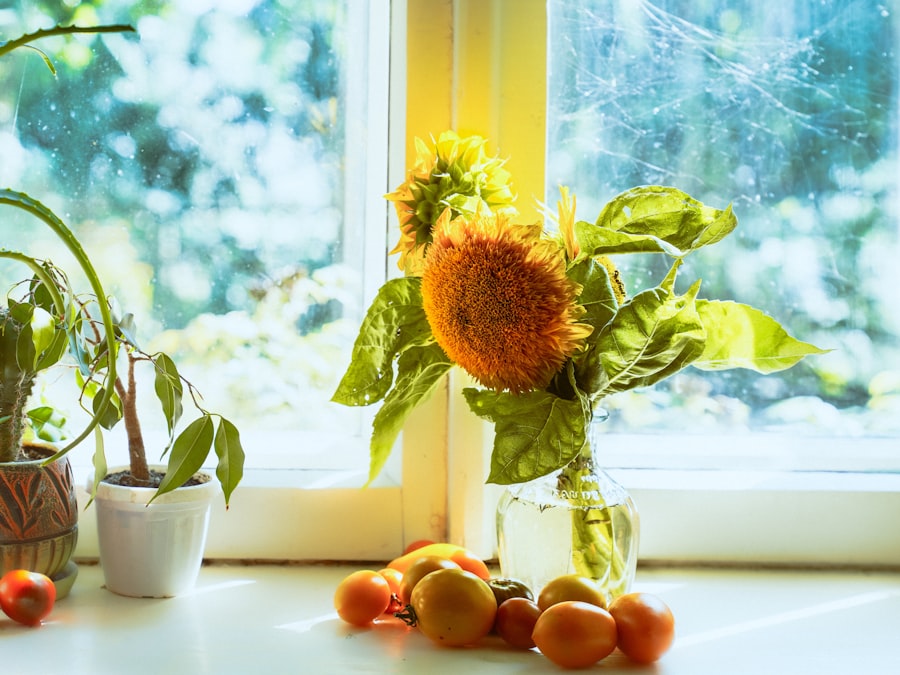
Pruning is an essential practice in indoor gardening that promotes healthy growth and maximizes yield from fruit and vegetable plants.
For example, when growing tomato plants indoors, pinching off suckers—small shoots that develop in the leaf axils—can redirect energy toward fruit production rather than excessive foliage growth.
This technique not only improves air circulation but also enhances overall plant health. Training techniques such as staking or using trellises can also be beneficial for managing space in an indoor garden. Many fruiting plants like cucumbers or pole beans benefit from vertical growth; using stakes or trellises allows these plants to climb rather than spread out horizontally.
This not only saves space but also improves light exposure and air circulation around the plant. Additionally, employing techniques like low-stress training (LST) can help shape plants while minimizing stress on them; gently bending stems can encourage lateral growth without damaging the plant.
Harvesting and storing indoor-grown produce
Harvesting your indoor-grown produce at the right time is crucial for ensuring optimal flavor and quality. Many fruits and vegetables have specific indicators that signal when they are ready for harvest; for instance, tomatoes should be picked when they are fully colored but still firm to the touch. Similarly, leafy greens like lettuce should be harvested before they bolt—when they start producing flowers—since this can lead to bitter-tasting leaves.
Regular harvesting encourages continued production; many herbs will grow back stronger after being trimmed. Once harvested, proper storage techniques are essential for maintaining freshness and flavor. Most leafy greens should be washed gently and stored in perforated plastic bags in the refrigerator to maintain moisture without causing rot.
Fruits like strawberries should be kept dry until just before consumption to prevent mold growth. For longer-term storage of certain vegetables like peppers or tomatoes, consider freezing them after blanching; this preserves their flavor while allowing you to enjoy your harvest long after the growing season has ended.
Tips for maximizing space and productivity in indoor gardening
Maximizing space in an indoor garden requires creativity and strategic planning. Vertical gardening techniques can significantly increase productivity without requiring additional floor space; using wall-mounted planters or hanging pots allows you to utilize vertical surfaces effectively. Additionally, incorporating tiered shelving units can create multiple levels for planting while keeping everything organized and accessible.
Companion planting is another effective strategy for maximizing productivity in limited spaces. Certain plants can benefit from being grown together; for example, basil planted alongside tomatoes not only saves space but also enhances flavor through natural pest deterrence. Utilizing multi-crop systems where fast-growing crops are planted alongside slower-growing ones can also optimize space usage; radishes can be sown alongside slower-growing carrots since they mature quickly and won’t compete for resources once harvested.
In conclusion, successful indoor gardening hinges on careful planning and attention to detail across various aspects—from selecting suitable plants to managing pests effectively. By understanding each component of indoor gardening, you can create a thriving environment that yields fresh produce year-round while enhancing your living space with greenery.
If you’re interested in expanding your indoor gardening skills beyond fruits and vegetables, you might find the article on how to grow radishes in containers particularly useful. This guide complements the insights from “Growing Fruits and Vegetables Indoors: A Complete Guide” by offering detailed instructions on cultivating radishes in limited spaces, making it an excellent resource for urban gardeners or those with limited outdoor space.
FAQs
What are the benefits of growing fruits and vegetables indoors?
Growing fruits and vegetables indoors allows for year-round access to fresh produce, regardless of the outdoor climate. It also provides the opportunity to control the growing environment, leading to potentially higher yields and better quality produce.
What are some popular fruits and vegetables that can be grown indoors?
Popular fruits and vegetables that can be grown indoors include tomatoes, peppers, strawberries, herbs (such as basil and mint), lettuce, microgreens, and dwarf fruit trees (such as citrus and figs).
What are the key factors to consider when growing fruits and vegetables indoors?
Key factors to consider when growing fruits and vegetables indoors include adequate light (natural or artificial), proper temperature and humidity levels, suitable containers and soil, regular watering and fertilizing, and pest and disease management.
What are some tips for successful indoor fruit and vegetable gardening?
Some tips for successful indoor fruit and vegetable gardening include choosing the right varieties for indoor growing, providing sufficient light with grow lights if needed, ensuring proper air circulation, and being mindful of the plant’s water and nutrient needs.
What are some common challenges when growing fruits and vegetables indoors?
Common challenges when growing fruits and vegetables indoors include limited space, potential pest infestations, maintaining proper humidity levels, and providing adequate support for plants that may require trellising or staking.
What are some resources for learning more about growing fruits and vegetables indoors?
There are numerous resources available for learning more about growing fruits and vegetables indoors, including books, online articles and forums, gardening classes, and local gardening clubs or extension services.