

When embarking on the journey of growing radishes in containers, the first step is selecting the appropriate container. Radishes are root vegetables that require sufficient space for their growth, so the size and type of container play a crucial role in their development. A container with a depth of at least 6 to 12 inches is ideal, as this allows the radish roots to expand and mature properly.
Common choices include plastic pots, ceramic containers, or even wooden boxes. Each material has its advantages; for instance, plastic pots are lightweight and retain moisture well, while ceramic containers can add aesthetic appeal to your garden space. Moreover, drainage is a critical factor to consider when choosing a container.
Radishes are susceptible to rot if their roots sit in waterlogged soil. Therefore, ensure that your chosen container has adequate drainage holes at the bottom. If you opt for a container without drainage holes, you can create a drainage layer by adding gravel or small stones at the bottom before filling it with soil.
This will help prevent excess water from accumulating and promote healthy root development. Additionally, consider the color of the container; darker colors absorb more heat, which can be beneficial in cooler climates but may lead to overheating in warmer regions.
Key Takeaways
- Choose a container that is at least 6-8 inches deep and has good drainage for growing radishes
- Use a well-draining potting mix with added compost for optimal radish growth in containers
- Sow radish seeds directly into the container, spacing them about 1 inch apart and covering with a thin layer of soil
- Water radishes regularly, keeping the soil consistently moist, and fertilize with a balanced fertilizer every 2-3 weeks
- Place the radish container in a sunny spot with at least 6 hours of sunlight per day for best results
Selecting the best soil for radish growth in containers
The soil you choose for growing radishes in containers is paramount to their success. Radishes thrive in loose, well-draining soil that allows their roots to penetrate easily. A high-quality potting mix specifically formulated for vegetables is often the best choice, as it typically contains a blend of peat moss, vermiculite, and perlite.
This combination provides excellent aeration and drainage while retaining enough moisture to support healthy growth. Avoid using garden soil directly from your yard, as it may compact in a container and lead to poor drainage and root development. In addition to selecting the right potting mix, enriching the soil with organic matter can significantly enhance radish growth.
Incorporating compost into your potting mix not only improves soil structure but also adds essential nutrients that radishes need to flourish. A balanced fertilizer can also be mixed into the soil before planting; however, be cautious not to over-fertilize, as this can lead to excessive foliage growth at the expense of root development. A soil pH between 6.0 and 7.0 is ideal for radishes, so testing your soil’s pH level can help you make necessary adjustments for optimal growth.
Sowing radish seeds in containers
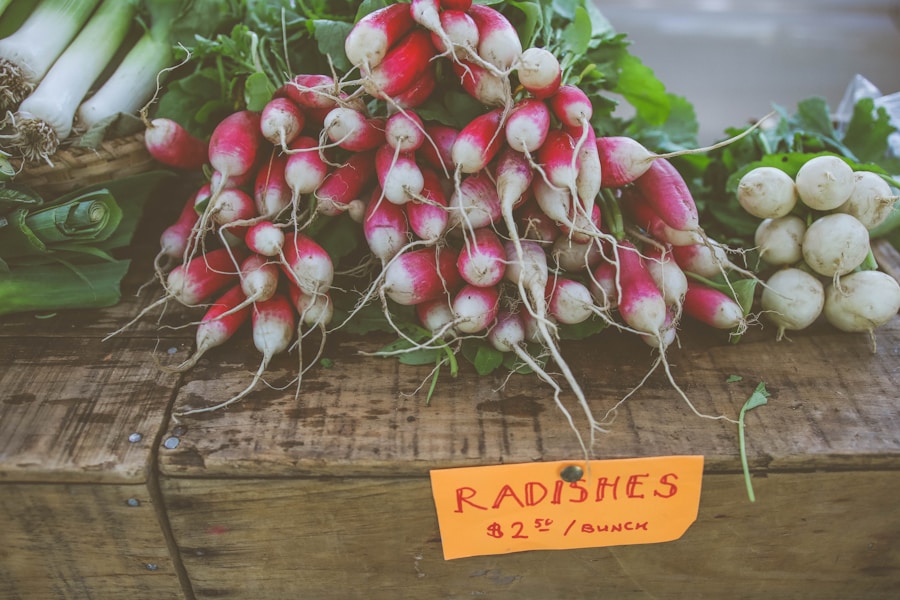
Sowing radish seeds in containers is a straightforward process that can yield quick results, making them an excellent choice for both novice and experienced gardeners. Begin by preparing your container with the appropriate soil mix, ensuring it is level and free of clumps. Once your container is ready, you can sow the seeds directly into the soil.
Radish seeds should be planted about half an inch deep and spaced approximately 1 to 2 inches apart. This spacing allows each radish enough room to grow without competing for nutrients or space. After sowing the seeds, gently cover them with soil and water them lightly to ensure good seed-to-soil contact.
If you’re planting multiple varieties of radishes, consider labeling each section of your container to keep track of different types and their respective growth times. Radishes are known for their rapid germination, typically sprouting within 5 to 10 days under optimal conditions.
Keeping an eye on moisture levels during this period is crucial, as consistent moisture will promote uniform germination.
Watering and fertilizing radishes in containers
Watering is a vital aspect of growing radishes in containers, as these plants require consistent moisture to thrive. However, it’s important to strike a balance; overwatering can lead to root rot while underwatering can cause stress and hinder growth. A general rule of thumb is to water when the top inch of soil feels dry to the touch.
During hot weather or if your container is placed in direct sunlight, you may need to water more frequently—sometimes even daily—to keep the soil adequately moist. Fertilizing container-grown radishes should be approached with care. While these vegetables do benefit from additional nutrients, they are not heavy feeders like some other crops.
A balanced fertilizer with equal parts nitrogen, phosphorus, and potassium can be applied every few weeks during the growing season. Alternatively, using a diluted liquid fertilizer every two weeks can provide a steady supply of nutrients without overwhelming the plants. Always follow the manufacturer’s instructions regarding application rates to avoid nutrient burn, which can damage the delicate roots of radishes.
Providing adequate sunlight for radishes in containers
Sunlight is another critical factor influencing the growth of radishes in containers. These vegetables thrive best in full sun conditions, which means they require at least six hours of direct sunlight each day. When selecting a location for your containers, consider areas that receive ample sunlight throughout the day while also being sheltered from harsh winds that could damage young plants.
If you live in a particularly hot climate, providing some afternoon shade can help prevent bolting—a condition where radishes flower prematurely due to stress from excessive heat. If you’re growing radishes indoors or in a location with limited natural light, consider using grow lights to supplement their light needs. LED grow lights are energy-efficient and can be adjusted in height as your plants grow.
Positioning these lights about 6 to 12 inches above the plants will ensure they receive adequate light without causing heat stress. Regularly rotating your containers can also help ensure that all sides of the plants receive equal exposure to sunlight, promoting even growth.
Managing pests and diseases in container-grown radishes

Organic Solutions and Prevention Methods
If you notice pests, consider using insecticidal soap or neem oil as an organic solution to control them effectively without harming beneficial insects. Diseases such as downy mildew or powdery mildew can also affect container-grown radishes, particularly if they are overwatered or crowded within their containers. To prevent these issues, ensure proper air circulation around your plants by avoiding overcrowding and providing adequate spacing between seedlings.
Disease Prevention and Control
Additionally, practicing crop rotation by changing the location of your containers each season can help reduce disease buildup in the soil. If you do encounter disease symptoms, promptly remove affected leaves and consider applying fungicides if necessary.
Harvesting radishes from containers
Harvesting radishes at the right time is essential for enjoying their crisp texture and peppery flavor. Generally, radishes are ready for harvest within three to four weeks after sowing, depending on the variety you choose. The best indicator of readiness is the size of the roots; they should be about one inch in diameter for most varieties when they are at their peak flavor.
Gently pull back some soil around the base of a few plants to check their size before deciding to harvest. When harvesting radishes from containers, it’s important to do so carefully to avoid damaging neighboring plants or uprooting those that are not yet ready. Grasp each radish firmly at its base and pull it straight out of the soil; twisting or yanking can break the roots or disturb nearby seedlings.
After harvesting, rinse the radishes under cool water to remove any soil residue and store them in a cool place or refrigerate them if you’re not consuming them immediately. Freshly harvested radishes can last up to two weeks when stored properly.
Tips for success in growing radishes in containers
To maximize your success in growing radishes in containers, consider implementing several best practices throughout their cultivation process. First and foremost, choose varieties suited for container gardening; smaller varieties like ‘Cherry Belle’ or ‘French Breakfast’ tend to perform well in limited spaces due to their compact growth habits.
Another tip is to monitor environmental conditions closely; temperature fluctuations can impact growth rates significantly. Radishes prefer cooler temperatures between 50°F and 70°F (10°C – 21°C), so planting them early in spring or late summer for fall harvests can yield better results than attempting summer sowings in hotter climates. Lastly, keep a gardening journal documenting your planting dates, watering schedules, and any pest issues encountered; this information will be invaluable for improving future growing seasons and refining your container gardening techniques over time.
By following these guidelines and paying attention to the specific needs of your container-grown radishes, you can enjoy a bountiful harvest of this versatile vegetable right from your own patio or balcony garden.
If you’re interested in growing plants in containers, you may also want to check out this article on how to grow passionflower vines. Passionflowers are beautiful and unique plants that can thrive in containers, making them a great addition to any garden or outdoor space. Learning how to care for these vines can provide you with a rewarding gardening experience.
FAQs
What are the benefits of growing radishes in containers?
Growing radishes in containers allows for easy maintenance, saves space, and provides better control over soil conditions and water usage.
What type of container is best for growing radishes?
A container that is at least 6-8 inches deep and has good drainage is ideal for growing radishes. Options include plastic or ceramic pots, wooden crates, or even fabric grow bags.
What kind of soil should be used for growing radishes in containers?
A well-draining potting mix with added organic matter, such as compost, is best for growing radishes in containers. The soil should be loose and friable to allow the radishes to develop properly.
How often should radishes in containers be watered?
Radishes in containers should be watered regularly, keeping the soil consistently moist but not waterlogged. This may require watering every 2-3 days, depending on the weather and the size of the container.
What are the best growing conditions for radishes in containers?
Radishes thrive in full sun and cooler temperatures, so it’s best to place the containers in a sunny spot with good air circulation. They can tolerate some shade, but may take longer to mature.
How long does it take to grow radishes in containers?
Radishes typically take 3-4 weeks to mature when grown in containers. However, this may vary depending on the variety of radish and the growing conditions.
Can radishes in containers be grown indoors?
Yes, radishes can be grown indoors in containers as long as they receive enough sunlight. A sunny windowsill or a grow light can provide the necessary light for indoor radish cultivation.
What are some common pests and diseases that affect radishes in containers?
Common pests that may affect radishes in containers include flea beetles, aphids, and root maggots. Diseases such as damping off, powdery mildew, and clubroot can also affect radishes. Proper sanitation and regular monitoring can help prevent and manage these issues.