

Selecting the appropriate pot for your lemon tree is a crucial first step in ensuring its health and productivity. The size of the pot is particularly important; a container that is too small can restrict root growth, while one that is excessively large may retain too much moisture, leading to root rot. A pot with a diameter of at least 12 to 16 inches is generally recommended for young lemon trees, while mature trees may require pots that are 20 inches or larger.
Additionally, the depth of the pot should be sufficient to accommodate the root system, which can grow quite extensive as the tree matures. Material also plays a significant role in the choice of pot. Terracotta pots are popular due to their breathability, allowing air to circulate through the walls and preventing overwatering.
However, they can dry out quickly, necessitating more frequent watering. Plastic pots, on the other hand, retain moisture better but may not provide the same level of aeration. Whichever material you choose, ensure that the pot has adequate drainage holes at the bottom.
This feature is essential for preventing water accumulation, which can lead to fungal diseases and root decay. A well-draining potting mix should also be used to further enhance drainage and provide the necessary nutrients for your lemon tree.
Key Takeaways
- Choose a pot that is at least 25% larger than the root ball of your lemon tree and has good drainage
- Meyer lemon trees are the best variety for container growing due to their compact size and ability to thrive indoors
- Provide your potted lemon tree with at least 8 hours of sunlight and a well-draining, slightly acidic soil mix
- Water your lemon tree when the top inch of soil is dry and fertilize with a balanced fertilizer every 4-6 weeks during the growing season
- Prune your lemon tree to remove dead or damaged branches and shape it to promote air circulation and sunlight penetration
Selecting the best variety of lemon for container growing
Compact Varieties for Small Spaces
The ‘Improved Meyer’ lemon is a popular choice for container gardeners. This hybrid variety reaches heights of 3 to 6 feet, making it ideal for limited spaces. Its sweet, aromatic fruit is less acidic than standard lemons, making it a favorite for culinary uses.
Larger Varieties for Container Growing
The ‘Ponderosa’ lemon is another excellent option for container growing. This variety produces large, thick-skinned lemons that can weigh up to a pound each. While it can grow taller than the Meyer lemon, regular pruning can help maintain its size and shape for container growth.
Considerations for Container Growing
When selecting a variety, consider your climate and how much sunlight your potted tree will receive. These factors can significantly influence fruit production and overall health.
Providing the ideal growing conditions for your potted lemon tree

Creating an optimal environment for your potted lemon tree is essential for its growth and fruiting potential. Lemon trees thrive in full sunlight, requiring at least 8 to 12 hours of direct sunlight each day. If you are growing your tree indoors or in a location with limited sunlight, consider using grow lights to supplement natural light.
Positioning your tree near a south-facing window can also help maximize exposure to sunlight. Temperature is another critical factor in the successful cultivation of lemon trees. They prefer warm conditions and do not tolerate frost well.
Ideally, daytime temperatures should range between 70°F to 85°F (21°C to 29°C), while nighttime temperatures should not drop below 50°F (10°C). If you live in a region with cold winters, it may be necessary to bring your potted lemon tree indoors or into a greenhouse during the colder months. Additionally, maintaining humidity levels around 50% can benefit your tree’s health, especially in dry indoor environments.
Regular misting or placing a humidity tray filled with water near the plant can help achieve this.
Watering and fertilizing your potted lemon tree
Watering practices are vital for the health of your potted lemon tree. Lemon trees prefer consistently moist soil but are susceptible to overwatering. A good rule of thumb is to check the top inch of soil; if it feels dry to the touch, it’s time to water.
When watering, do so thoroughly until water drains from the bottom of the pot. This ensures that the entire root system receives adequate moisture while preventing water from pooling at the bottom of the pot. Fertilization is equally important in promoting healthy growth and fruit production.
Lemon trees benefit from a balanced fertilizer that contains essential nutrients such as nitrogen, phosphorus, and potassium. A slow-release fertilizer specifically formulated for citrus trees can be applied every six to eight weeks during the growing season, typically from spring through early fall. Additionally, incorporating organic amendments like compost or well-rotted manure can enhance soil fertility and improve overall plant health.
Be cautious not to over-fertilize, as this can lead to excessive leaf growth at the expense of fruit production.
Pruning and shaping your lemon tree for optimal growth
Pruning is an essential practice for maintaining the health and shape of your potted lemon tree. Regular pruning encourages new growth, improves air circulation within the canopy, and helps prevent disease by removing dead or diseased branches. The best time to prune is during the late winter or early spring before new growth begins.
Focus on removing any dead or crossing branches and thinning out crowded areas to allow light to penetrate the center of the tree.
Aim for an open-center structure that allows sunlight to reach all parts of the tree.
This can be achieved by selectively removing branches that grow inward or downward. Additionally, pinching back new growth can encourage bushier growth and more fruiting sites. Regularly assessing your tree’s shape and making adjustments as needed will help ensure that it remains healthy and productive throughout its life.
Protecting your potted lemon tree from pests and diseases
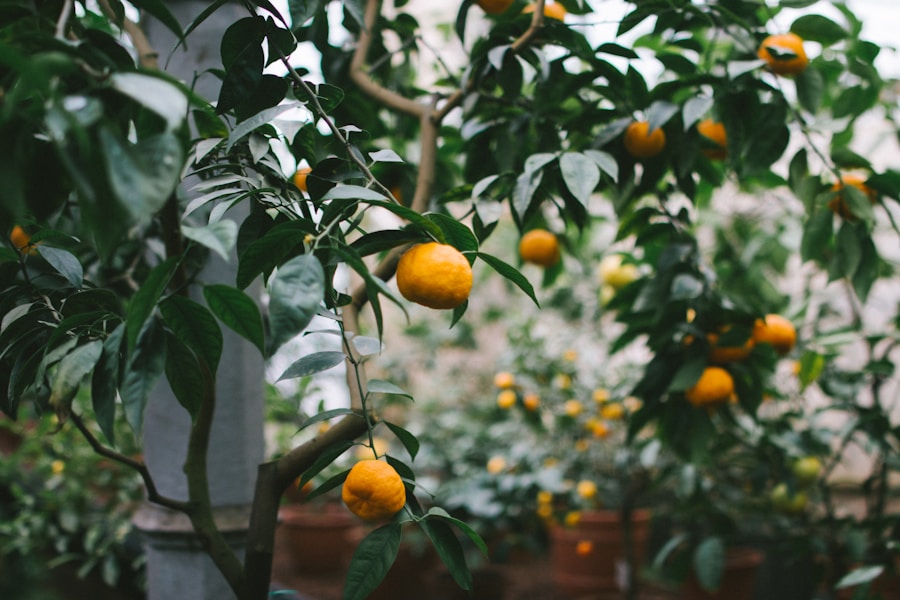
Pests and diseases can pose significant threats to the health of your potted lemon tree if not managed properly. Common pests include aphids, spider mites, and scale insects, which can sap the vitality of your plant by feeding on its sap. Regularly inspecting your tree for signs of infestation is crucial; look for discolored leaves, webbing, or sticky residue on leaves as indicators of pest problems.
If you notice any pests, consider using insecticidal soap or neem oil as an organic treatment option. Diseases such as root rot and powdery mildew can also affect potted lemon trees. Root rot often results from overwatering or poor drainage; therefore, ensuring proper watering practices and using well-draining soil is essential in preventing this issue.
Powdery mildew appears as a white powdery substance on leaves and stems and thrives in humid conditions with poor air circulation. To combat this disease, improve airflow around your tree by pruning crowded branches and applying fungicidal treatments if necessary.
Harvesting and using the lemons from your potted tree
Harvesting lemons from your potted tree is one of the most rewarding aspects of container gardening. Knowing when to pick your lemons is key; they are typically ready for harvest when they have turned a vibrant yellow color and feel slightly soft when gently squeezed.
It’s important to handle them carefully during harvest to avoid damaging the fruit or branches. Once harvested, lemons can be used in a myriad of culinary applications ranging from beverages to desserts and savory dishes. Freshly squeezed lemon juice adds brightness to salad dressings and marinades while zesting provides an aromatic flavor boost to baked goods.
Beyond culinary uses, lemons have numerous health benefits due to their high vitamin C content and antioxidant properties. They can be used in homemade cleaning solutions or infused into water for a refreshing drink that promotes hydration.
Overwintering your potted lemon tree
As winter approaches, special care must be taken to protect your potted lemon tree from cold temperatures and harsh weather conditions. If you live in an area where temperatures drop below 50°F (10°C), it’s advisable to bring your tree indoors or into a greenhouse during winter months. Before moving it inside, inspect the plant for pests and diseases to prevent introducing any issues into your home environment.
Once indoors, place your lemon tree in a location that receives ample sunlight—preferably near a south-facing window—and maintain consistent temperatures between 60°F to 70°F (15°C to 21°C). While indoor conditions may lead to reduced watering needs due to lower evaporation rates, it’s essential to monitor soil moisture closely during this time. Additionally, avoid fertilizing during winter months as the plant enters dormancy; resume feeding in early spring when new growth begins again.
By taking these steps, you can ensure that your potted lemon tree remains healthy and ready to thrive when spring arrives once more.
If you’re interested in growing plants in containers, you may also want to check out this article on how to grow radishes in containers. It offers helpful tips and tricks for successfully growing this tasty vegetable in small spaces.
FAQs
What are the benefits of growing lemons in pots?
Growing lemons in pots allows for flexibility in terms of placement, as they can be moved indoors during colder months. It also allows for better control of soil conditions and drainage, and can be a space-saving option for those with limited outdoor space.
What type of pot is best for growing lemons?
It is best to use a large, sturdy pot with good drainage. A pot that is at least 12-18 inches in diameter and has drainage holes at the bottom is ideal for growing lemons.
What type of soil is best for growing lemons in pots?
A well-draining potting mix with a slightly acidic pH level (around 5.5 to 6.5) is best for growing lemons in pots. Adding some organic matter, such as compost, can also be beneficial for the soil.
How much sunlight do lemon trees need when grown in pots?
Lemon trees thrive in full sunlight, so it is best to place the pots in a location where they can receive at least 6-8 hours of direct sunlight per day.
How often should lemon trees in pots be watered?
Lemon trees in pots should be watered when the top inch of the soil feels dry to the touch. This typically means watering every 7-10 days, but it can vary depending on factors such as temperature and humidity.
Do lemon trees in pots need to be fertilized?
Yes, lemon trees in pots benefit from regular fertilization during the growing season. A balanced fertilizer formulated for citrus trees can be applied every 4-6 weeks from spring to early fall.
Can lemon trees in pots produce fruit?
Yes, with proper care and conditions, lemon trees grown in pots can produce fruit. It may take a few years for the tree to mature and start producing a significant amount of fruit, but it is possible with the right care and attention.