

Selecting the ideal location for your aloe plant is crucial for its health and growth. Aloe vera thrives in environments that mimic its native habitat, which consists of arid, sunny regions. When choosing a spot, consider a location that receives ample sunlight, ideally around six to eight hours of direct sunlight each day.
A south-facing window is often the best choice for indoor plants, as it provides consistent light throughout the day. If you are placing your aloe outdoors, ensure it is in a spot that is shielded from harsh afternoon sun, which can scorch the leaves, especially in hotter climates. In addition to sunlight, the temperature of the chosen location plays a significant role in the well-being of your aloe plant.
Aloe vera prefers temperatures between 60°F and 75°F (15°C to 24°C). It is essential to avoid placing your plant in areas where temperatures can drop below 50°F (10°C), as this can lead to stress and damage. If you live in a region with cold winters, consider bringing your aloe indoors during the colder months or providing adequate protection if left outside.
Furthermore, ensure that the location has good air circulation to prevent mold and mildew, which can thrive in stagnant air.
Key Takeaways
- Choose a location with plenty of sunlight and well-draining soil for your aloe plant
- Prepare the soil with a mix of sand, perlite, and potting soil to ensure optimal growth
- Water aloe plants sparingly and allow the soil to dry out between waterings; avoid overwatering
- Protect aloe plants from pests and diseases by keeping the area clean and using natural remedies like neem oil
- Propagate aloe plants by removing offsets and planting them in a separate pot; repot as needed for growth
- Prune aloe plants to remove dead leaves and repot them every 2-3 years to refresh the soil
- Harvest aloe vera leaves for their medicinal properties by cutting them at the base and using the gel for various remedies
- Provide winter care for aloe plants in warm climates by bringing them indoors or protecting them from frost and cold temperatures
Preparing the soil for optimal growth
Commercial Cactus Mix: A Great Option
A commercial cactus mix is an excellent option, as it typically contains a blend of sand, perlite, and peat that promotes drainage.
Creating Your Own Mix
Alternatively, you can create your own mix by combining regular potting soil with coarse sand or perlite in a 2:1 ratio. This combination allows for adequate moisture retention while ensuring excess water can escape easily.
Amending the Soil and Ensuring Proper Drainage
Before planting your aloe, it’s beneficial to amend the soil with organic matter such as compost or worm castings.
When filling your pot or garden bed, ensure that it has drainage holes at the bottom to allow excess water to escape. If you are using a container without drainage holes, be cautious with your watering practices to avoid over-saturation of the soil.
Watering and maintenance tips for aloe plants
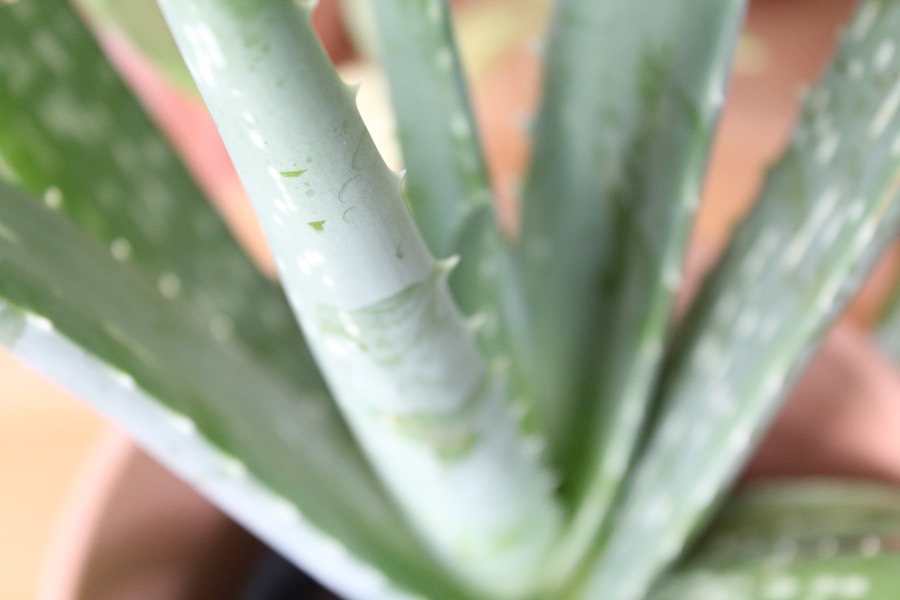
Watering is one of the most critical aspects of maintaining healthy aloe plants. These succulents are adapted to survive in dry conditions, so they do not require frequent watering. A general rule of thumb is to water your aloe plant every two to three weeks during the growing season (spring and summer) and reduce this frequency during the dormant months (fall and winter).
The best way to determine when to water is by checking the top inch of soil; if it feels dry to the touch, it’s time to water. When watering, it’s essential to soak the soil thoroughly until water drains out of the bottom of the pot. This method encourages deep root growth and ensures that all parts of the root system receive moisture.
However, be cautious not to let your aloe sit in standing water, as this can lead to root rot. Additionally, consider using room temperature water rather than cold water straight from the tap, as extreme temperature changes can shock the plant. Regularly monitoring your aloe’s leaves can also provide clues about its hydration needs; if they appear wrinkled or shriveled, it may be time for a drink.
Protecting your aloe plant from pests and diseases
While aloe plants are generally resilient and less prone to pests compared to other houseplants, they can still fall victim to certain insects and diseases if not properly cared for. Common pests include aphids, mealybugs, and spider mites.
To combat these pests, regularly inspect your aloe for any signs of infestation. If you notice any unwanted guests, you can remove them manually or use a cotton swab dipped in rubbing alcohol to eliminate them. In addition to pests, diseases such as fungal infections can affect aloe plants, particularly if they are overwatered or planted in poorly draining soil.
Signs of disease may include yellowing leaves or a mushy texture at the base of the plant. To prevent these issues, ensure that you are following proper watering practices and providing adequate airflow around your plant. If you suspect a fungal infection, removing affected leaves and applying a fungicide may help mitigate the problem.
Regularly cleaning the leaves with a damp cloth can also help prevent dust accumulation and promote overall plant health.
How to propagate aloe plants for more growth
Propagating aloe plants is an excellent way to expand your collection or share with friends and family. Aloe vera primarily propagates through offsets or “pups,” which are small plants that grow at the base of the parent plant. To propagate through offsets, wait until the pups are at least a few inches tall and have developed their own roots.
Gently separate them from the main plant using a clean knife or scissors, taking care not to damage either plant. Once separated, allow the pups to dry for a day or two before planting them in their own pots filled with well-draining soil. This drying period helps prevent rot by allowing any cuts to callous over before being placed in soil.
After planting, water sparingly until you see new growth, indicating that the pup has established itself in its new environment. In addition to offsets, aloe can also be propagated from leaf cuttings; however, this method is less reliable and may take longer to produce new plants.
Pruning and repotting aloe plants

Pruning for a Healthier Plant
Regular pruning is essential to remove dead or damaged leaves, which improves the plant’s appearance and prevents potential disease issues. When pruning, use clean scissors or pruning shears to cut away any brown or wilted leaves at their base. This practice encourages new growth and allows the plant to focus on healthy foliage.
Repotting for Continued Growth
Repotting is another critical maintenance task that should be performed every couple of years or when you notice that your aloe has outgrown its container. Signs that it’s time to repot include roots growing out of drainage holes or stunted growth despite proper care.
Repotting Tips and Precautions
When repotting, choose a pot that is only slightly larger than the current one; too much extra space can lead to overwatering issues. Carefully remove the plant from its old pot, gently loosening any tightly bound roots before placing it in fresh soil. After repotting, allow the plant to settle for a week before resuming regular watering practices.
Harvesting and using aloe vera for its medicinal properties
Aloe vera is renowned for its medicinal properties and has been used for centuries in traditional medicine practices. The gel found within its leaves is rich in vitamins, minerals, and antioxidants that promote skin health and healing. To harvest aloe vera gel, select a mature leaf from the outer section of the plant; these leaves tend to be thicker and contain more gel than younger ones.
Using a sharp knife, cut the leaf close to its base and allow it to sit upright for about 10 minutes to let any yellow latex drain out—this latex can be irritating if applied directly to the skin. Once drained, you can slice open the leaf lengthwise and scoop out the clear gel using a spoon or knife. This gel can be applied topically for various skin conditions such as burns, cuts, or sunburns due to its soothing properties.
Additionally, aloe vera gel can be consumed in small amounts for digestive health benefits; however, it’s essential to consult with a healthcare professional before ingesting it regularly.
Winter care for aloe plants in warm climates
Even in warm climates where winter temperatures remain mild, caring for your aloe plants requires some attention during this season. While they may not experience frost damage like those in colder regions, reduced sunlight during winter months can affect their growth patterns. To ensure your aloe continues thriving through winter, consider moving it closer to a light source if indoors or providing supplemental lighting if necessary.
Additionally, adjust your watering schedule during winter months as aloe plants enter a dormant phase and require less moisture than during their active growing season. Overwatering during this time can lead to root rot; therefore, always check soil moisture before watering. If your aloe is outdoors during winter months, monitor nighttime temperatures closely and bring it indoors if temperatures drop significantly or if frost is expected.
By taking these precautions, you can help your aloe plant remain healthy and vibrant throughout the winter season.
If you’re interested in learning how to grow other plants in your backyard, you may want to check out this article on how to grow pecan trees in your backyard. Just like growing aloe outdoors in warm climates, growing pecan trees requires specific care and attention to thrive. This article provides valuable tips and information on how to successfully cultivate pecan trees in your own backyard.
FAQs
What are the ideal growing conditions for aloe outdoors in warm climates?
Aloe plants thrive in warm climates with plenty of sunlight. They prefer well-draining soil and are drought-tolerant, making them well-suited for outdoor growth in warm regions.
How much sunlight does aloe need when grown outdoors in warm climates?
Aloe plants require at least 6 hours of direct sunlight per day when grown outdoors in warm climates. They can tolerate some partial shade, but too much shade can lead to leggy growth and reduced flowering.
What type of soil is best for growing aloe outdoors in warm climates?
Aloe plants prefer well-draining soil with a slightly acidic to neutral pH. A sandy or sandy loam soil mix is ideal for outdoor growth in warm climates, as it allows excess water to drain away from the roots.
How often should aloe be watered when grown outdoors in warm climates?
In warm climates, aloe plants should be watered sparingly, allowing the soil to dry out between waterings. During the hot summer months, they may need more frequent watering, but it’s important to avoid overwatering, as this can lead to root rot.
Can aloe be grown in pots outdoors in warm climates?
Yes, aloe plants can be grown in pots outdoors in warm climates. Make sure the pots have drainage holes and use a well-draining soil mix. Place the pots in a sunny location and water sparingly, allowing the soil to dry out between waterings.
How can aloe be propagated when grown outdoors in warm climates?
Aloe plants can be propagated through offsets, which are small plantlets that grow from the base of the mother plant. These offsets can be carefully removed and replanted in their own pots or outdoor locations. Additionally, aloe can be propagated from leaf cuttings, allowing the cut ends to callus over before planting in well-draining soil.