

Selecting the appropriate flowers for your garden is a crucial first step in creating a vibrant and productive space. When it comes to edible flowers, the choices can be both exciting and overwhelming. Some popular options include nasturtiums, pansies, marigolds, and borage.
Each of these flowers not only adds visual appeal but also brings unique flavors and textures to your culinary creations. For instance, nasturtiums have a peppery taste reminiscent of arugula, making them a delightful addition to salads.
When choosing flowers, consider your climate and growing conditions. Some edible flowers thrive in full sun, while others prefer partial shade. Additionally, think about the growing season; certain flowers may be more suitable for spring planting, while others can be sown in late summer for a fall harvest.
Researching the specific needs of each flower will help ensure that they flourish in your garden. Furthermore, consider the aesthetic aspect of your garden design. Mixing colors, heights, and textures can create a visually stunning display that is both beautiful and functional.
Key Takeaways
- Choose flowers that are safe to eat and suitable for your climate and soil conditions
- Prepare the soil by adding organic matter and ensuring good drainage for edible flowers
- Plant edible flowers in a sunny location and water them regularly, while avoiding over-fertilization
- Harvest edible flowers in the morning when they are at their freshest and store them in a cool, dry place
- Use edible flowers in salads, teas, and desserts, and consider companion planting with vegetables to deter pests
Preparing the soil for edible flowers
The foundation of any successful garden lies in its soil. Preparing the soil for edible flowers involves several key steps to ensure that it is nutrient-rich and well-draining. Start by testing the soil pH, as most edible flowers prefer a slightly acidic to neutral pH range of 6.0 to 7.0.
Soil testing kits are readily available at garden centers or through local agricultural extensions. Once you have determined the pH level, you can amend the soil accordingly with lime to raise pH or sulfur to lower it. Incorporating organic matter is another essential step in soil preparation.
Adding compost or well-rotted manure not only improves soil structure but also enhances its nutrient content. This organic material provides essential nutrients that promote healthy growth and flowering. Additionally, tilling the soil to a depth of at least 12 inches helps aerate it and allows roots to penetrate more easily.
If your soil is heavy clay or sandy, consider adding amendments like peat moss or vermiculite to improve drainage and moisture retention.
Planting and caring for edible flowers

Once your soil is prepared, it’s time to plant your chosen edible flowers. Timing is critical; many flowers can be directly sown into the garden bed after the last frost date in your area. For those that require a longer growing season, starting seeds indoors can give you a head start.
When planting seeds, follow the recommended spacing guidelines on the seed packet to ensure adequate air circulation and prevent overcrowding. Caring for edible flowers involves regular maintenance practices such as watering, weeding, and fertilizing. Most edible flowers prefer consistent moisture but be cautious not to overwater, as this can lead to root rot.
A layer of mulch can help retain moisture while suppressing weeds. Fertilizing with a balanced organic fertilizer every few weeks during the growing season can promote vigorous growth and abundant blooms. Additionally, deadheading spent flowers encourages continuous blooming and prevents plants from going to seed too early.
Harvesting and storing edible flowers
Harvesting edible flowers at the right time is essential for maximizing flavor and freshness. The best time to pick flowers is early in the morning when they are fully open but still cool from the night’s temperatures. This timing helps preserve their delicate structure and flavor profile.
Use clean scissors or garden shears to snip the flowers at their base, taking care not to damage the plant itself. Once harvested, it’s important to handle edible flowers with care to maintain their quality. Rinse them gently under cool water to remove any dirt or insects, then pat them dry with a soft cloth or paper towel.
For short-term storage, place the flowers in a container lined with damp paper towels and cover them loosely with plastic wrap before refrigerating. This method can keep them fresh for several days. If you wish to store them for longer periods, consider freezing or drying them.
Freezing works well for flowers like violets and pansies; simply lay them flat on a baking sheet until frozen solid before transferring them to an airtight container.
Edible flower recipes and uses
Edible flowers can elevate a wide range of dishes, adding not only visual appeal but also unique flavors that enhance culinary experiences. One popular use is incorporating them into salads; for example, a salad featuring mixed greens topped with vibrant nasturtiums and pansies creates a feast for both the eyes and palate. The peppery taste of nasturtiums pairs beautifully with citrus vinaigrettes, while pansies add a subtle sweetness.
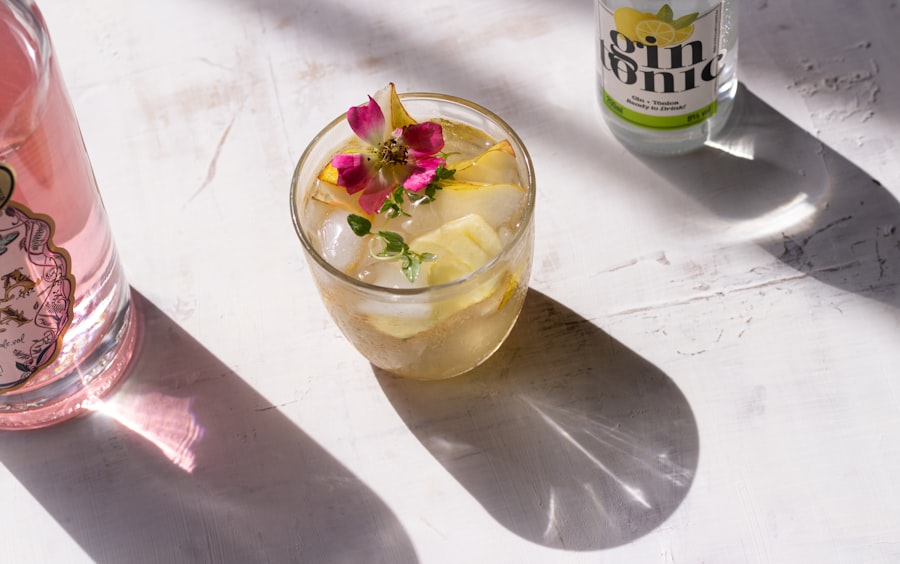
Beyond salads, edible flowers can be used in beverages as well. Infusing water with cucumber slices and borage flowers creates a refreshing drink perfect for summer gatherings. Additionally, many chefs are experimenting with floral flavors in desserts; lavender-infused shortbread cookies or rose petal jam are just two examples of how these blooms can be transformed into delightful treats.
The versatility of edible flowers allows for creativity in both savory and sweet dishes, making them an exciting ingredient in any kitchen.
Companion planting with edible flowers
Attracting Beneficial Insects
Edible flowers can play a significant role in companion planting by attracting beneficial insects, such as bees and butterflies, which are essential for pollination. For instance, marigolds are renowned for their ability to attract pollinators, and their bright orange and yellow flowers add a pop of color to any garden.
Repelling Pests
In addition to attracting beneficial insects, edible flowers can also repel pests that can harm neighboring plants. Marigolds, for example, are known to deter nematodes and other harmful pests, making them an excellent addition to any garden. Nasturtiums can act as a trap crop for aphids, drawing these pests away from more vulnerable plants like cucumbers or beans.
Enhancing Growth and Flavor
Edible flowers can also enhance the growth and flavor of neighboring plants. Borage, for instance, not only attracts pollinators but also improves tomato flavor when grown nearby. By strategically incorporating edible flowers into your garden layout, you can create a harmonious ecosystem that promotes healthy growth and minimizes pest issues.
Dealing with pests and diseases in edible flowers
Like any other plants in your garden, edible flowers are susceptible to various pests and diseases that can hinder their growth and reduce yields. Common pests include aphids, spider mites, and whiteflies, which can damage leaves and flowers if left unchecked. Regular monitoring is essential; inspect your plants frequently for signs of infestation such as discolored leaves or webbing.
When dealing with pests organically, consider introducing beneficial insects like ladybugs or lacewings that prey on aphids and other harmful insects. Additionally, neem oil or insecticidal soap can be effective treatments when applied according to label instructions. Diseases such as powdery mildew or root rot can also affect edible flowers; ensuring proper air circulation through adequate spacing and avoiding overhead watering can help prevent these issues from arising.
Edible flower safety and precautions
While many flowers are safe to eat, it is crucial to ensure that you are consuming only those that are specifically designated as edible. Some flowers may be toxic or cause allergic reactions; therefore, thorough research is necessary before incorporating any new flower into your diet. Always source edible flowers from reputable suppliers or grow them yourself using organic practices to avoid pesticide contamination.
Additionally, it’s wise to introduce new edible flowers into your diet gradually to monitor for any adverse reactions. If you have allergies to certain plants or pollen, consult with a healthcare professional before consuming edible flowers that may trigger sensitivities. By taking these precautions seriously, you can enjoy the beauty and flavor of edible flowers while ensuring your health and safety remain intact.
If you’re interested in growing beautiful flowers in your garden, you may also want to learn how to grow climbing roses on walls. This article provides helpful tips and techniques for successfully cultivating these stunning plants. Check out How to Grow Climbing Roses on Walls for more information on creating a vibrant and colorful garden space.
FAQs
What are edible flowers?
Edible flowers are flowers that can be safely consumed and are often used as a garnish or ingredient in cooking and baking. Some common edible flowers include nasturtiums, violets, roses, and lavender.
Why grow edible flowers in your garden?
Growing edible flowers in your garden can add beauty and variety to your landscape, as well as provide a fresh and unique ingredient for your culinary creations. Additionally, many edible flowers attract pollinators and beneficial insects to your garden.
What are some popular edible flowers to grow in a garden?
Some popular edible flowers to grow in a garden include calendula, borage, chamomile, pansies, and marigolds. These flowers are not only beautiful, but also add flavor and color to dishes.
How do you grow edible flowers in your garden?
To grow edible flowers in your garden, choose a sunny location with well-drained soil. Plant the flowers according to their specific growing requirements, and provide regular watering and maintenance. It’s important to research each type of edible flower to ensure proper care.
Are there any precautions to take when growing edible flowers?
When growing edible flowers, it’s important to avoid using pesticides or other chemicals that are not safe for consumption. Additionally, be sure to properly identify the flowers you are growing to ensure they are indeed edible and safe to eat.
How can edible flowers be used in cooking?
Edible flowers can be used in a variety of ways in cooking, including as a garnish for salads, desserts, and cocktails, as well as an ingredient in syrups, butters, and vinegars. It’s important to use edible flowers sparingly and to only consume flowers that are known to be safe for consumption.