
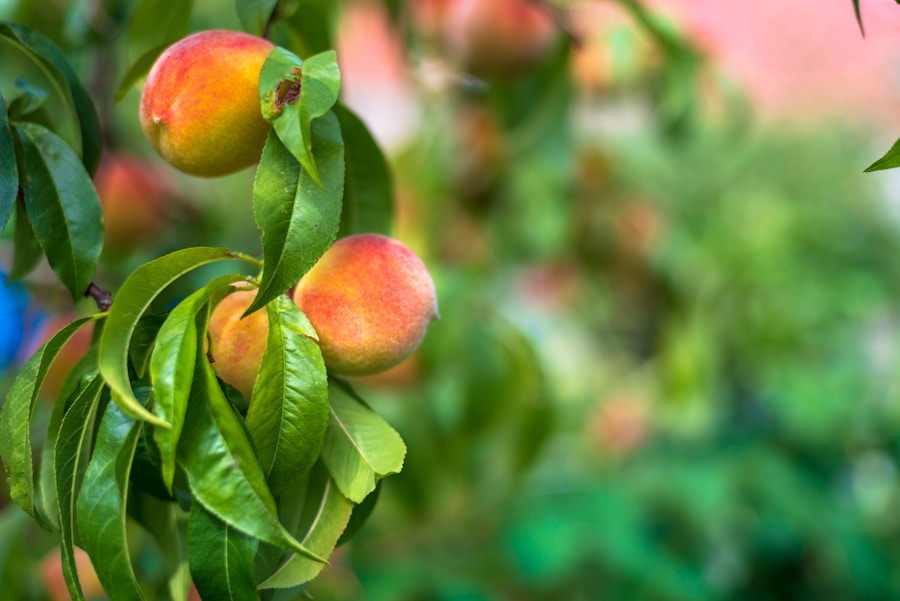
Selecting the appropriate variety of nectarine is a crucial first step in ensuring a successful harvest. Nectarines, which are essentially peaches without the fuzz, come in numerous cultivars that vary in flavor, size, and climate adaptability. When choosing a variety, it is essential to consider your local climate, as some varieties thrive in warmer regions while others are more suited to cooler areas.
For instance, the ‘Fantasia’ nectarine is known for its exceptional flavor and is well-suited for warmer climates, while ‘Arctic Jay’ is a white-fleshed variety that can tolerate cooler temperatures. In addition to climate, the intended use of the nectarines should also influence your choice. If you plan to eat them fresh, varieties like ‘Sunred’ and ‘Nectar’ are excellent choices due to their sweet and juicy flesh.
Conversely, if you are interested in canning or making preserves, you might opt for varieties that hold up well during cooking, such as ‘Red Gold.’ Furthermore, consider the maturity time of the variety; some nectarines bear fruit earlier in the season than others. Early-season varieties can provide a quicker return on investment, while late-season varieties may offer a longer harvest window.
Key Takeaways
- Choose a nectarine tree variety that is well-suited to your climate and has good disease resistance
- Prepare the soil by ensuring it is well-draining and has a pH level of 6.0-6.5
- When planting nectarine trees, make sure to space them at least 20 feet apart and plant them in a sunny location
- Water nectarine trees regularly, especially during dry periods, and fertilize them in early spring and late summer
- Prune nectarine trees in late winter to remove dead or diseased wood and train them to an open-center or modified central leader system for optimal fruit production
Preparing the soil
Soil Testing and pH Adjustment
Before planting, it is advisable to conduct a soil test to determine pH levels and nutrient content. Nectarines prefer a slightly acidic to neutral pH range of 6.0 to 7.0. If your soil is too acidic or alkaline, amendments such as lime or sulfur can be added to adjust the pH accordingly.
Enhancing Soil Fertility
Once you have assessed the soil quality, the next step is to enhance its fertility. Incorporating organic matter such as compost or well-rotted manure can significantly improve soil structure and nutrient availability. This not only provides essential nutrients for the young trees but also enhances moisture retention and aeration.
Preparing the Planting Area
It is recommended to till the soil to a depth of at least 12 inches to ensure that the organic matter is well mixed with the existing soil. Additionally, removing any weeds or debris from the planting area will help reduce competition for nutrients and water.
Planting nectarine trees

When it comes time to plant your nectarine trees, timing is key. The best time to plant is during the dormant season, typically in late winter or early spring before new growth begins. This allows the trees to establish their root systems before the heat of summer sets in.
When selecting your planting site, ensure it receives full sun for at least six to eight hours a day, as nectarines thrive in bright light conditions. The planting process begins with digging a hole that is twice as wide and just as deep as the root ball of the tree. This allows for ample space for roots to spread out and establish themselves.
When placing the tree in the hole, ensure that the graft union—the swollen area where the tree was grafted onto rootstock—is level with or slightly above the soil surface. Backfill the hole with soil and water thoroughly to eliminate air pockets. A layer of mulch around the base of the tree can help retain moisture and suppress weeds, but care should be taken not to pile mulch against the trunk.
For more information on planting nectarine trees, you can visit this link.
Watering and fertilizing
Proper watering practices are essential for the health of nectarine trees, especially during their first few years of growth. Newly planted trees require consistent moisture to establish their root systems; however, overwatering can lead to root rot and other issues. A general rule of thumb is to water deeply once a week during dry spells, ensuring that the soil remains moist but not soggy.
As trees mature, their water needs will change; established trees typically require less frequent watering but should still receive adequate moisture during fruit development. Fertilization plays a vital role in promoting healthy growth and fruit production. A balanced fertilizer with equal parts nitrogen, phosphorus, and potassium (N-P-K) can be applied in early spring as new growth begins.
It is important not to over-fertilize, as this can lead to excessive vegetative growth at the expense of fruit production. Additionally, incorporating organic fertilizers such as compost or well-rotted manure can provide a slow-release source of nutrients throughout the growing season. Monitoring leaf color and overall tree vigor can help determine if additional fertilization is necessary.
Pruning and training
Pruning is an essential practice for maintaining healthy nectarine trees and optimizing fruit production. The primary goal of pruning is to create an open canopy that allows sunlight to penetrate and air to circulate throughout the tree. This not only promotes better fruit quality but also helps prevent diseases by reducing humidity within the canopy.
The best time to prune nectarines is during late winter or early spring while the trees are still dormant. When pruning, focus on removing any dead or diseased wood first. Next, thin out crowded branches to improve airflow and light penetration.
Aim for a balanced structure by maintaining an open center and removing any vertical shoots that compete with main branches. Training young trees into a central leader or open vase shape can also help establish a strong framework for future growth. Regular pruning throughout the growing season may be necessary to manage excessive growth and maintain desired shapes.
Pest and disease management

Effective pest and disease management is crucial for ensuring healthy nectarine trees and maximizing fruit yield. Common pests that affect nectarines include aphids, spider mites, and peach tree borers. Regular monitoring of your trees for signs of infestation is essential; early detection can make management much easier.
For instance, aphids can often be controlled through natural predators like ladybugs or by using insecticidal soap if populations become too high. Diseases such as brown rot and peach leaf curl can also pose significant threats to nectarine trees. Brown rot typically occurs during wet conditions when fruit becomes infected by fungal spores.
To mitigate this risk, it is important to practice good sanitation by removing any fallen fruit or debris from around the tree. Additionally, applying fungicides at key times during the growing season can help protect against fungal infections. Peach leaf curl is another common issue that can be managed through proper pruning and by applying fungicides during dormancy.
Harvesting nectarines
Harvesting nectarines at the right time is critical for achieving optimal flavor and texture. Nectarines typically reach maturity in late summer to early fall, depending on the variety and local climate conditions. A ripe nectarine will yield slightly to gentle pressure and exhibit a vibrant color characteristic of its variety—whether that be deep red, yellow, or a combination thereof.
It’s important to avoid harvesting too early; unripe nectarines will lack sweetness and may not develop their full flavor potential.
It’s best to twist gently at the stem rather than pulling straight off; this helps prevent damage to both the fruit and the tree itself.
After harvesting, nectarines should be stored at room temperature until they reach full ripeness; once ripe, they can be refrigerated for short-term storage.
Tips for success
To achieve success in growing nectarines, there are several best practices that can enhance your gardening experience. First and foremost, patience is key; nectarines may take several years before they begin producing fruit consistently. During this time, focus on nurturing your trees through proper care techniques such as watering, fertilizing, and pruning.
Another important tip is to engage in regular observation of your trees throughout the growing season. This allows you to catch any potential issues early on—whether they be pest infestations or signs of disease—enabling you to take action before they escalate into larger problems. Additionally, consider companion planting with herbs or flowers that attract beneficial insects; this can create a more balanced ecosystem around your nectarine trees.
Finally, don’t hesitate to seek advice from local agricultural extensions or gardening clubs specific to your region. These resources can provide valuable insights tailored to your local climate and soil conditions, helping you make informed decisions about your nectarine cultivation journey. By following these tips and remaining attentive to your trees’ needs, you can enjoy a bountiful harvest of delicious nectarines year after year.
If you’re looking to expand your gardening skills beyond nectarines, you may want to check out this article on how to grow passionflower vines. Passionflowers are beautiful and unique plants that can add a touch of exotic beauty to your garden. Learning how to care for them properly can result in a stunning display of flowers and foliage.
FAQs
What are nectarines?
Nectarines are a type of fruit that are similar to peaches, but have a smooth skin instead of a fuzzy one. They are a member of the Rosaceae family and are known for their sweet and juicy flavor.
What are the ideal growing conditions for nectarines?
Nectarines thrive in warm, temperate climates with plenty of sunlight. They require well-drained soil with a pH level between 6.0 and 7.0. They also need regular watering, especially during the fruiting season.
When is the best time to plant nectarine trees?
The best time to plant nectarine trees is in the late winter or early spring, when the soil is workable and the threat of frost has passed. This allows the tree to establish its roots before the growing season begins.
How do you care for nectarine trees?
Nectarine trees require regular watering, especially during dry periods. They also benefit from annual pruning to remove dead or diseased branches and to shape the tree for optimal fruit production. Additionally, fertilizing the tree in the spring can help promote healthy growth.
How long does it take for nectarine trees to bear fruit?
Nectarine trees typically begin to bear fruit 2-4 years after planting, depending on the variety and growing conditions. It is important to provide proper care and maintenance to encourage fruit production.
What are some common pests and diseases that affect nectarine trees?
Common pests that can affect nectarine trees include aphids, mites, and fruit flies. Diseases such as brown rot, powdery mildew, and bacterial spot can also impact the health of the tree and its fruit. It is important to monitor the tree for signs of pests and diseases and take appropriate measures to control them.