

Selecting the ideal location for planting a sweetgum tree (Liquidambar styraciflua) is crucial for its growth and overall health.
When scouting for a suitable spot, consider areas that are not shaded by taller structures or other trees.
The tree’s vibrant fall foliage, characterized by a spectrum of colors ranging from yellow to deep red, is best appreciated when it receives ample sunlight. Additionally, the location should have good air circulation to prevent fungal diseases that can arise in overly humid conditions. Soil drainage is another critical factor to consider when choosing a location.
Sweetgum trees prefer well-drained soils, as they are susceptible to root rot if planted in areas where water tends to pool. Sandy loam or clay loam soils are ideal, as they provide the necessary drainage while retaining some moisture. Conducting a soil test can help determine the pH and nutrient levels of the soil, ensuring that it meets the sweetgum’s requirements.
If the soil is too compacted or heavy, amending it with organic matter such as compost can improve its structure and drainage capabilities.
Key Takeaways
- Choose a location with well-drained soil and full sun for planting sweetgum trees
- Prepare the soil by loosening it and adding organic matter to improve drainage and fertility
- Plant sweetgum trees in the spring, at the same depth as they were in the nursery container
- Water young trees regularly and fertilize annually to promote healthy growth
- Prune sweetgum trees in late winter to remove dead or damaged branches and shape the tree for a desired appearance
- Monitor for pests and diseases, and treat as needed with appropriate methods
- Harvest sweetgum sap for medicinal and industrial use, and use the wood for lumber and veneer
- Protect sweetgum trees in winter by mulching the base and wrapping the trunk to prevent frost damage
Preparing the soil
Soil Aeration and Structure
After clearing the area, it is advisable to till the soil to a depth of at least 12 inches. This aeration allows for better root penetration and encourages healthy growth. Incorporating organic matter into the soil is essential for enhancing its fertility and structure.
Soil Amendments and pH Balance
Adding compost or well-rotted manure can significantly improve nutrient availability and moisture retention. A soil amendment can also help balance pH levels if necessary; sweetgum trees prefer slightly acidic to neutral soils (pH 6.0 to 7.0).
Final Preparation and Planting
After mixing in organic matter, it is beneficial to level the soil surface to create an even planting bed. This preparation phase sets the foundation for a successful planting experience, ensuring that the sweetgum tree has access to the nutrients and conditions it needs to thrive.
Planting the sweetgum tree
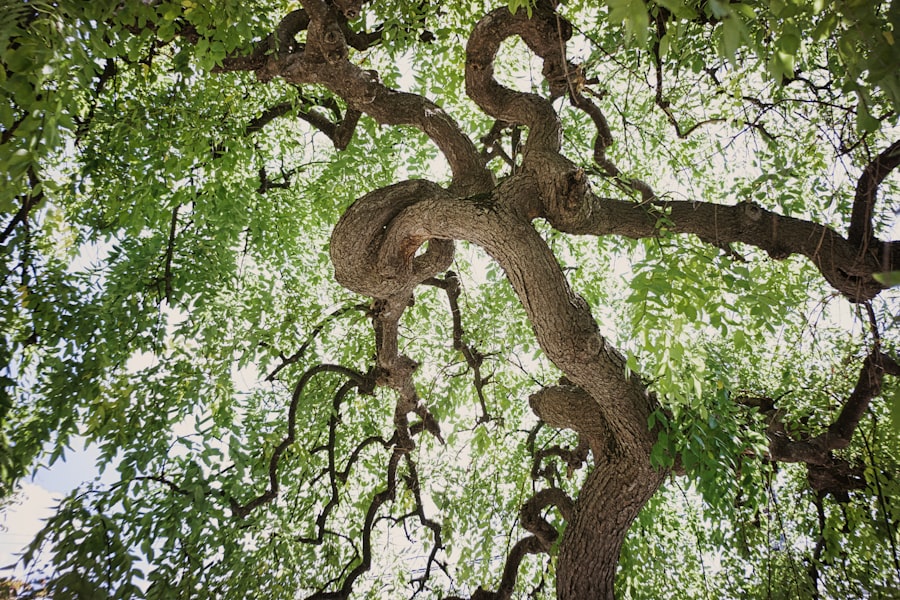
When it comes time to plant the sweetgum tree, timing is essential. The best period for planting is during the early spring or fall when temperatures are moderate, and rainfall is more consistent. This timing allows the tree to establish its root system before facing the stress of summer heat or winter cold.
Before planting, it is crucial to inspect the root ball of the tree. If the roots appear tightly bound or circling around the root ball, gently loosen them to encourage outward growth once planted. The planting hole should be approximately two to three times wider than the root ball but no deeper than the root ball itself.
This ensures that the roots have ample space to spread while preventing them from being buried too deeply, which can lead to suffocation and rot. Once the hole is prepared, place the tree in the center and backfill with soil, ensuring that it is planted at the same depth as it was in its nursery container. Watering thoroughly after planting helps eliminate air pockets and settles the soil around the roots, providing a stable environment for growth.
Watering and fertilizing
Proper watering practices are vital for establishing a sweetgum tree after planting. During its first growing season, regular watering is essential to help develop a robust root system. A general rule of thumb is to provide about one inch of water per week, either through rainfall or supplemental irrigation.
It is important to water deeply and infrequently rather than shallowly and often; this encourages roots to grow deeper into the soil in search of moisture. Mulching around the base of the tree can help retain soil moisture while suppressing weeds that compete for resources. Fertilization plays a significant role in promoting healthy growth in sweetgum trees, particularly during their formative years.
A balanced fertilizer with equal parts nitrogen, phosphorus, and potassium can be applied in early spring as new growth begins. However, it is essential to follow package instructions regarding application rates to avoid over-fertilization, which can lead to excessive foliage growth at the expense of root development. Conducting periodic soil tests can also guide fertilization practices by revealing nutrient deficiencies that may need addressing.
Pruning and shaping
Pruning is an essential aspect of maintaining a healthy sweetgum tree and ensuring its aesthetic appeal. Young trees benefit from formative pruning, which helps establish a strong structure by removing any competing leaders or crossing branches that could hinder growth. This practice encourages a central leader and an open canopy, allowing sunlight to penetrate through the branches and promoting even growth throughout the tree.
Pruning should ideally be done during late winter or early spring before new growth begins. As sweetgum trees mature, regular maintenance pruning becomes necessary to remove dead or diseased branches and maintain an attractive shape. It is important to use clean, sharp tools when pruning to minimize damage and reduce the risk of disease transmission.
Additionally, pruning should be done judiciously; removing no more than 25% of the tree’s canopy in a single year helps prevent stress and encourages healthy regrowth. By shaping the tree thoughtfully over time, gardeners can enhance its natural beauty while ensuring its longevity.
Dealing with pests and diseases

Like many trees, sweetgum trees are susceptible to various pests and diseases that can threaten their health and vitality. Common pests include aphids, scale insects, and spider mites, which can weaken trees by feeding on their sap. Regular monitoring of foliage for signs of infestation is crucial; early detection allows for timely intervention.
Insecticidal soaps or horticultural oils can be effective treatments for controlling these pests without harming beneficial insects. Diseases such as anthracnose and leaf spot can also affect sweetgum trees, particularly in humid conditions where moisture lingers on leaves for extended periods. To mitigate these risks, maintaining good air circulation through proper pruning practices is essential.
Additionally, avoiding overhead watering can help keep foliage dry and reduce disease incidence. In cases where disease symptoms appear, removing affected leaves promptly can prevent further spread within the tree or to neighboring plants.
Harvesting and using the sweetgum tree’s products
Sweetgum trees are not only valued for their ornamental beauty but also for their various products that can be harvested and utilized in different ways. One of the most notable products is sweetgum resin, which has been historically used for medicinal purposes and as a natural adhesive. The resin can be collected by making shallow cuts in the bark during late spring or early summer when sap flow is at its peak.
Once collected, it can be used in traditional remedies or even as an ingredient in homemade incense. The wood of the sweetgum tree is another valuable resource; it is known for its strength and versatility. Sweetgum lumber is often used in furniture making, cabinetry, and flooring due to its attractive grain patterns and durability.
The wood can be stained or finished to enhance its natural beauty, making it a popular choice among woodworkers and craftsmen. Additionally, sweetgum seeds are small but can attract various bird species when left on the tree during winter months, contributing to local biodiversity.
Winter care and protection
As winter approaches, providing care and protection for sweetgum trees becomes essential to ensure their survival through colder months. Young trees are particularly vulnerable to frost damage; therefore, mulching around their base with organic materials such as wood chips or straw can help insulate roots against freezing temperatures while retaining moisture in the soil. This layer of mulch also serves as a barrier against competing weeds that may emerge during warmer spells.
In regions where heavy snowfall occurs, it may be necessary to gently brush off accumulated snow from branches to prevent breakage due to excessive weight. Additionally, wrapping young trunks with protective materials such as burlap or tree guards can shield them from harsh winds and potential damage from rodents seeking shelter during winter months. By taking these precautions, gardeners can help ensure that their sweetgum trees emerge healthy and ready for vigorous growth come springtime.
If you’re interested in adding more plants to your backyard, you may also want to consider learning how to grow honeysuckle in your backyard. This fragrant and beautiful vine can add a lovely touch to your outdoor space. Check out this article for tips on how to successfully grow honeysuckle. Additionally, if you’re looking to add some vertical interest to your garden, you may want to explore how to grow trumpet vines on pergolas. For more information on this topic, visit this article. And if you’re interested in growing a stunning flowering vine on a trellis, consider learning how to grow wisteria on a trellis. Find out more about this process by reading this article.
FAQs
What are sweetgum trees?
Sweetgum trees, also known as Liquidambar styraciflua, are deciduous trees native to North America. They are known for their distinctive star-shaped leaves and spiky fruit balls.
How tall do sweetgum trees grow?
Sweetgum trees can grow to be quite tall, reaching heights of 60-80 feet at maturity.
What are the ideal growing conditions for sweetgum trees?
Sweetgum trees thrive in full sun and well-drained soil. They are adaptable to a range of soil types, but prefer slightly acidic soil.
How do you plant sweetgum trees in your backyard?
To plant sweetgum trees in your backyard, choose a sunny location with well-drained soil. Dig a hole twice as wide as the tree’s root ball and plant the tree at the same depth it was in the nursery container. Water the tree thoroughly after planting.
How do you care for sweetgum trees?
Sweetgum trees require regular watering, especially during dry periods. Mulching around the base of the tree can help retain moisture and suppress weeds. Pruning may be necessary to remove dead or damaged branches.
Do sweetgum trees require any special maintenance?
Sweetgum trees are relatively low-maintenance once established. However, they are known for producing spiky fruit balls that can be a nuisance to clean up. Some homeowners may choose to plant fruitless varieties to avoid this issue.
Are there any pests or diseases that commonly affect sweetgum trees?
Sweetgum trees can be susceptible to certain pests and diseases, including scale insects, borers, and leaf spot. Regular inspection and proper care can help prevent and manage these issues.