
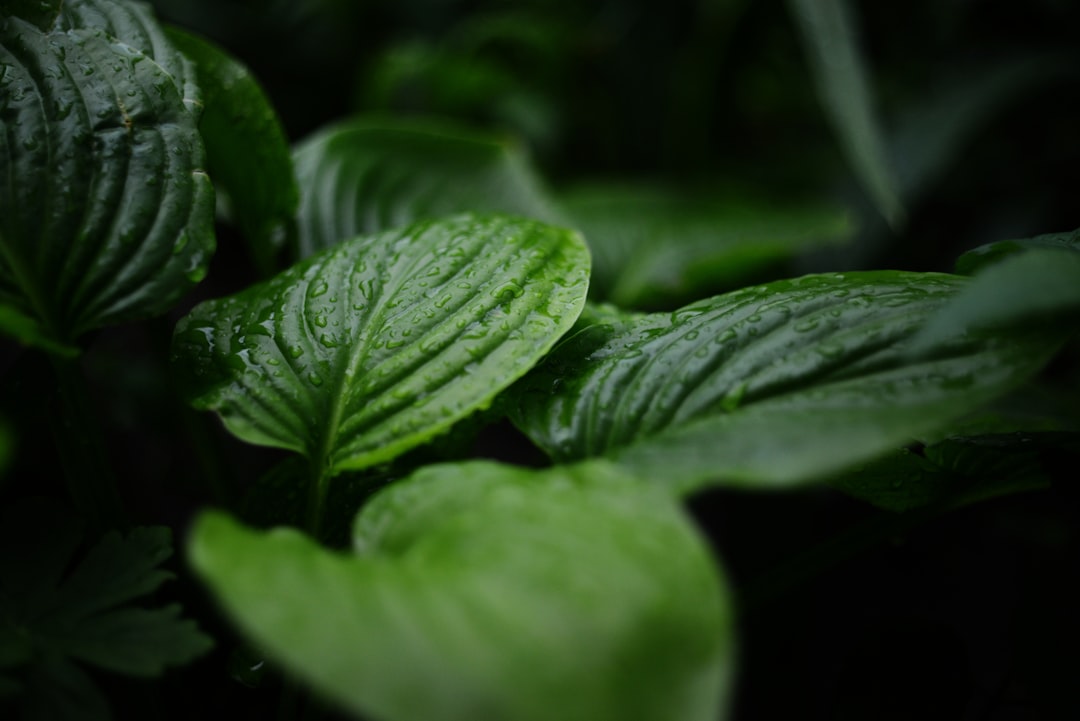
The journey of cultivating tea begins with selecting the appropriate variety of the tea plant, Camellia sinensis. This species is the foundation for all true teas, including green, black, oolong, and white teas. Within this species, there are two primary varieties: Camellia sinensis var.
sinensis and Camellia sinensis var. assamica. The former is typically associated with the cooler climates of East Asia and is known for its delicate flavor profile, making it ideal for producing high-quality green and white teas.
In contrast, the latter thrives in warmer, tropical regions and is often used for robust black teas, particularly those from Assam in India. When choosing a variety, it is essential to consider the climate and altitude of the intended cultivation area. For instance, if you are situated in a cooler region with higher elevations, the sinensis variety may be more suitable due to its adaptability to such conditions.
Conversely, if you are in a lowland tropical area, the assamica variety would likely yield better results. Additionally, local preferences for tea flavor can influence your choice; some regions may favor the briskness of a green tea, while others might lean towards the richness of a black tea. Understanding these nuances can significantly impact the success of your tea cultivation endeavor.
Key Takeaways
- Choose a tea plant variety that is well-suited to your climate and soil conditions for optimal growth and yield.
- Select a location with well-drained soil, ample sunlight, and protection from strong winds for successful tea plant cultivation.
- Prepare the soil by testing and adjusting its pH level, adding organic matter, and ensuring good drainage to promote healthy tea plant growth.
- Plant and care for tea plants by providing regular watering, mulching, and fertilizing to support their development and productivity.
- Prune and shape tea plants to encourage bushy growth, improve air circulation, and facilitate harvesting while protecting them from pests and diseases.
Selecting the ideal location for tea plant cultivation
The location for tea cultivation plays a pivotal role in determining the quality and yield of the tea plants. Tea thrives in regions with well-defined seasons, where there is a distinct difference between wet and dry periods. Ideally, tea plants require a subtropical or tropical climate with temperatures ranging from 60°F to 85°F (15°C to 30°C).
Areas that experience consistent rainfall, ideally between 40 to 100 inches annually, are particularly favorable as they provide the necessary moisture for optimal growth. In addition to climate, elevation is another critical factor. Tea plants flourish at altitudes between 1,000 to 6,000 feet (300 to 1,800 meters), where cooler temperatures can enhance the flavor profile of the leaves.
The elevation also contributes to better drainage and reduces the risk of root diseases. Furthermore, selecting a site with good air circulation can help prevent fungal diseases and promote healthy growth. Soil drainage is equally important; tea plants prefer slightly acidic soils with a pH between 4.5 and 6.0.
Therefore, conducting a thorough analysis of potential sites is essential to ensure that all these factors align for successful tea cultivation.
Preparing the soil for tea plant growth

Soil preparation is a fundamental step in establishing a thriving tea garden. The first step involves conducting a soil test to assess its pH level, nutrient content, and organic matter composition. This information will guide amendments needed to create an optimal growing environment for tea plants.
If the soil is too alkaline, sulfur or organic matter can be added to lower the pH. Conversely, if nutrient levels are deficient, incorporating compost or well-rotted manure can enhance soil fertility. Once the soil has been tested and amended as necessary, it should be tilled to improve aeration and drainage.
This process also helps break up compacted layers that could hinder root development. Creating raised beds can further enhance drainage and prevent waterlogging during heavy rains. Additionally, mulching around the planting area can help retain moisture and suppress weeds, which compete with young tea plants for nutrients and water.
A well-prepared soil not only supports healthy root development but also sets the stage for robust plant growth and high-quality leaf production.
Planting and caring for tea plants
The actual planting of tea plants requires careful attention to detail to ensure their successful establishment. Ideally, young tea plants should be planted during the rainy season when moisture levels are high, which helps reduce transplant shock. When planting, it is crucial to space the plants adequately—typically around 3 to 5 feet apart—to allow for proper air circulation and sunlight penetration.
This spacing also facilitates easier maintenance practices such as pruning and harvesting in the future. After planting, ongoing care is vital for the health of the tea plants. Regular watering is essential during dry spells, especially in the first few years as the plants establish their root systems.
However, overwatering should be avoided as it can lead to root rot. Fertilization should be done judiciously; organic fertilizers such as compost or fish emulsion can provide essential nutrients without overwhelming the young plants. Additionally, monitoring for weeds is crucial during this period; hand weeding or using mulch can help keep competition at bay while minimizing disturbance to the young roots.
Pruning and shaping tea plants for optimal growth
Pruning is an essential practice in tea cultivation that significantly influences both plant health and leaf quality. The primary goal of pruning is to shape the plants for optimal growth while encouraging new shoot development, which is where the most flavorful leaves are found. Typically, pruning should begin when the plants are about three years old; this allows them to establish a strong root system before being shaped.
The most common method of pruning involves cutting back one-third of the plant’s height during the dormant season or after harvesting. This practice not only promotes bushier growth but also enhances air circulation within the plant structure, reducing disease risk. Additionally, removing older leaves that may be less flavorful encourages new growth that is tender and rich in essential oils and flavors.
Regularly shaping the plants into a manageable height—usually around three feet—ensures that harvesting remains efficient while maintaining high-quality leaf production.
Protecting tea plants from pests and diseases

Integrated Pest Management Strategies
Integrated pest management (IPM) strategies are often recommended to control these pests effectively while minimizing chemical use. This approach includes monitoring pest populations regularly and employing natural predators such as ladybugs or lacewings that feed on aphids.
Disease Prevention and Control
Diseases such as leaf blight and root rot can also pose significant threats to tea plants. To mitigate these risks, it is essential to maintain good cultural practices such as proper spacing for air circulation and avoiding overhead watering that can create humid conditions conducive to fungal growth.
Harvesting and processing tea leaves for brewing
The harvesting process is one of the most critical stages in tea production as it directly impacts flavor and quality. Tea leaves are typically harvested by hand during specific seasons when they are at their peak flavor—usually in spring or early summer when new shoots emerge. The best quality leaves are often referred to as “two leaves and a bud,” consisting of the top two young leaves and an unopened bud from each shoot.
Once harvested, processing begins immediately to preserve freshness and flavor. The method of processing varies depending on the type of tea being produced; for instance, green tea requires steaming or pan-firing to halt oxidation, while black tea undergoes full oxidation through rolling and fermentation processes. Oolong tea falls somewhere in between these two extremes with partial oxidation.
Each processing method significantly influences the final flavor profile of the tea; thus, understanding these techniques is crucial for any aspiring tea producer.
Tips for brewing tea from homegrown plants
Brewing tea from homegrown leaves offers a unique experience that allows you to savor flavors specific to your cultivation efforts. To begin with, it’s essential to use fresh leaves; ideally, they should be used within a few hours of harvesting for maximum flavor retention. When preparing your leaves for brewing, gently rinse them under cool water to remove any dust or impurities before steeping.
The water temperature plays a crucial role in extracting flavors from your leaves effectively. For green teas, water should be heated to around 160°F to 180°F (70°C to 80°C), while black teas benefit from boiling water at approximately 200°F (93°C). Steeping times also vary; generally, green teas require about 2-3 minutes while black teas may need 3-5 minutes depending on personal taste preferences.
Experimenting with different steeping times and temperatures will help you discover your ideal brew strength and flavor profile. In addition to temperature and steeping time, consider using different brewing vessels such as teapots or gaiwans that can enhance your brewing experience by allowing you to appreciate the aroma and visual appeal of your homegrown teas fully.
If you’re interested in growing your own plants for brewing, you may also want to check out this article on how to grow pecan trees in your backyard. Pecan trees can provide delicious nuts for snacking or baking, adding a unique touch to your homegrown ingredients.
FAQs
What are the ideal growing conditions for tea plants?
Tea plants thrive in well-drained, acidic soil with a pH level between 4.5 and 6.0. They require a warm, humid climate with plenty of rainfall and partial shade.
How long does it take for tea plants to mature and produce leaves for brewing?
Tea plants typically take 3-5 years to mature and produce leaves suitable for brewing. However, they can continue to produce leaves for hundreds of years with proper care.
What are the steps involved in growing tea plants for brewing?
The steps involved in growing tea plants for brewing include selecting the right location, preparing the soil, planting the tea plants, providing proper care and maintenance, and harvesting the leaves at the right time.
Can tea plants be grown in containers or pots?
Yes, tea plants can be grown in containers or pots, as long as they are provided with the right soil, sunlight, and water conditions. This allows for more control over the growing environment and is especially useful in colder climates.
What are some common pests and diseases that affect tea plants?
Common pests that affect tea plants include aphids, mites, and caterpillars, while diseases such as root rot, blister blight, and gray mold can also pose a threat. Proper pest and disease management is essential for maintaining healthy tea plants.