
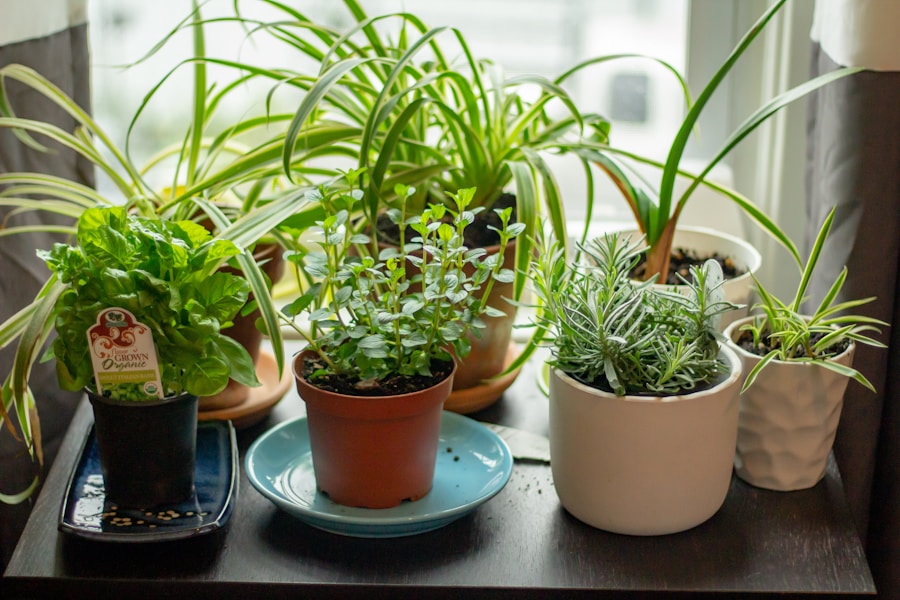
Selecting the appropriate pot and soil for your ZZ plant is crucial for its overall health and growth.
A pot made from materials like terracotta or ceramic can be beneficial, as they allow for some air exchange and help prevent overwatering.
However, plastic pots are also suitable if they have sufficient drainage. The size of the pot is another important consideration; it should be slightly larger than the root ball of the plant to allow for growth but not so large that it retains excess moisture, which can lead to root rot. When it comes to soil, a well-draining potting mix is essential.
A commercial cactus or succulent mix often works well for ZZ plants, as these mixes typically contain sand or perlite that promotes drainage. Alternatively, you can create your own blend by mixing regular potting soil with perlite or coarse sand in a 2:1 ratio. This combination ensures that the roots have access to air while still retaining some moisture.
It’s also beneficial to incorporate organic matter, such as compost, to provide essential nutrients. The right soil not only supports healthy root development but also helps prevent common issues like fungal infections and root rot.
Key Takeaways
- Choose a well-draining pot and a rich, well-aerated soil mix for your ZZ plant to thrive.
- ZZ plants prefer bright, indirect light and temperatures between 65-75°F (18-24°C).
- Water ZZ plants sparingly and maintain moderate humidity levels to prevent root rot and fungal issues.
- Fertilize ZZ plants with a balanced, water-soluble fertilizer during the growing season to promote healthy growth.
- Prune ZZ plants to remove yellowing leaves and maintain a tidy appearance, and watch out for common pests like spider mites and mealybugs.
Understanding the light and temperature needs of ZZ plants
ZZ plants are renowned for their adaptability to various lighting conditions, making them an excellent choice for both novice and experienced plant enthusiasts. They can thrive in low-light environments, which is one of their most appealing traits. However, while they can survive in dimly lit spaces, they do best in bright, indirect light.
Direct sunlight can scorch their glossy leaves, leading to unsightly brown patches. Therefore, placing your ZZ plant near a window with filtered light or in a well-lit room is ideal. If you notice that the plant is becoming leggy or its growth has slowed, it may be a sign that it requires more light.
Temperature is another critical factor in the care of ZZ plants. They prefer a warm environment, ideally between 65°F and 75°F (18°C to 24°C). While they can tolerate slightly cooler temperatures down to 50°F (10°C), prolonged exposure to cold drafts or temperatures below this threshold can stress the plant and hinder its growth.
It’s important to keep them away from air conditioning vents or drafty windows during colder months. Additionally, ZZ plants are not particularly fond of humidity; they can adapt to average household humidity levels without any issues. However, if you live in an extremely dry climate, occasional misting or placing a humidifier nearby can help maintain optimal conditions.
Watering and humidity requirements for ZZ plants

Watering is one of the most critical aspects of ZZ plant care, as these plants are susceptible to overwatering. ZZ plants store water in their thick rhizomes, allowing them to survive extended periods without moisture. As a general rule, it’s best to allow the top inch or two of soil to dry out completely before watering again.
This could mean watering every two to three weeks, depending on the season and environmental conditions. During the growing season in spring and summer, you may find that your plant requires more frequent watering, while in fall and winter, the frequency should be reduced significantly. Humidity levels are not a major concern for ZZ plants since they are native to arid regions of East Africa.
They thrive in average household humidity but can tolerate lower levels without any adverse effects. If you notice that the leaves are becoming crispy at the edges, it may indicate that the air is too dry or that the plant is underwatered. In such cases, consider increasing humidity slightly by grouping your plants together or using a pebble tray filled with water beneath the pot.
However, excessive humidity should be avoided as it can lead to fungal issues.
Fertilizing and feeding your ZZ plant
Fertilizing your ZZ plant is not a necessity but can enhance its growth and overall health when done correctly. During the growing season—spring and summer—applying a balanced liquid fertilizer diluted to half strength every four to six weeks can provide essential nutrients that support robust growth. Look for fertilizers with equal parts nitrogen, phosphorus, and potassium (N-P-K ratio), such as a 10-10-10 formulation.
It’s important not to over-fertilize; doing so can lead to salt buildup in the soil, which may harm the roots and cause leaf burn. In fall and winter, when the plant enters its dormant phase, it’s best to refrain from fertilizing altogether. During this time, the ZZ plant conserves energy and does not require additional nutrients.
If you notice that your plant is growing slowly or has pale leaves during the growing season despite regular fertilization, consider checking your watering practices and light conditions before increasing fertilizer application. Additionally, incorporating organic matter into the soil mix during repotting can provide a slow-release source of nutrients that benefits the plant over time.
Pruning and grooming your ZZ plant
Pruning is an essential aspect of maintaining a healthy ZZ plant and promoting its aesthetic appeal. While ZZ plants do not require frequent pruning due to their slow growth rate, occasional grooming helps remove any yellowing or damaged leaves that detract from their appearance. Using clean, sharp scissors or pruning shears, carefully cut away any leaves that show signs of distress or decay at their base.
This not only improves the plant’s look but also allows for better air circulation around the remaining foliage. In addition to removing unhealthy leaves, you may also want to consider shaping your ZZ plant as it grows. If you notice that it is becoming leggy or uneven in shape, you can prune back some of the longer stems to encourage bushier growth.
This practice can stimulate new growth from the base of the plant and create a fuller appearance over time. Regularly dusting off the leaves with a damp cloth will also help maintain their glossy finish and improve photosynthesis by allowing more light to penetrate through any accumulated dust.
Dealing with common pests and diseases in ZZ plants

While ZZ plants are generally resilient and less prone to pests compared to other houseplants, they are not entirely immune to infestations. Common pests that may affect ZZ plants include spider mites, mealybugs, and scale insects. Spider mites thrive in dry conditions and can cause stippling on leaves as they feed on plant sap.
To combat spider mites, increase humidity around the plant and consider using insecticidal soap or neem oil as a treatment option. Mealybugs appear as small white cotton-like masses on stems and leaves and can weaken your plant if left untreated. A cotton swab dipped in rubbing alcohol can effectively remove these pests when applied directly to them.
Scale insects resemble small bumps on stems and leaves; they can be removed similarly by wiping them off with alcohol-soaked cotton swabs or by using horticultural oil sprays designed for pest control. In terms of diseases, root rot is one of the most significant threats to ZZ plants due to overwatering or poorly draining soil. Signs of root rot include yellowing leaves and a mushy stem base.
If you suspect root rot, it’s crucial to act quickly by removing the plant from its pot and inspecting the roots. Trim away any blackened or mushy roots with sterilized scissors and repot the plant in fresh soil that promotes drainage.
Propagating ZZ plants for more greenery
Propagating ZZ plants is an exciting way to expand your indoor garden without purchasing new plants. The most common method of propagation involves taking leaf cuttings or division of rhizomes during repotting. For leaf cuttings, select healthy leaves from an established plant and cut them into sections about 4-6 inches long.
Allow these cuttings to callous over for a day or two before placing them in a well-draining potting mix or water until roots develop. Alternatively, if you’re repotting an established ZZ plant, you can divide it by carefully separating the rhizomes into smaller sections with roots attached. Each section should have at least one healthy leaf for successful propagation.
Plant these divisions in their own pots with suitable soil and water lightly until they establish themselves in their new environment. Propagation through leaf cuttings may take longer than division but can be rewarding as you watch new growth emerge from each cutting over time. Regardless of the method chosen, ensure that new plants are kept in warm conditions with indirect light until they establish roots.
Tips for troubleshooting common problems with ZZ plants
Despite their hardy nature, ZZ plants can encounter various issues that may affect their health and appearance.
If you notice yellowing leaves at the base of your plant while others remain healthy, it’s essential to check your watering schedule and ensure that excess water is draining properly from the pot.
Another issue could be stunted growth or leggy stems, which may suggest insufficient light exposure. If your ZZ plant appears sparse or elongated towards a light source, consider relocating it closer to a window with bright but indirect sunlight. Conversely, if you observe browning leaf tips or edges, this could indicate underwatering or low humidity levels; adjusting your watering routine or increasing humidity may help rectify this issue.
Lastly, if you notice any signs of pests or diseases despite taking preventive measures, don’t hesitate to act quickly by isolating affected plants and treating them accordingly with appropriate pest control methods or adjusting care practices as needed. Regular monitoring of your ZZ plant will help catch potential problems early on and ensure its continued health and vitality in your home environment.
If you’re interested in low-maintenance gardening, you may also want to check out this article on how to grow honeysuckle in your backyard. Honeysuckle is a beautiful and fragrant plant that can thrive with minimal care, making it a great addition to any garden. Just like ZZ plants, honeysuckle is a versatile and resilient plant that can thrive in a variety of conditions. By following the tips in this article, you can enjoy the beauty of honeysuckle in your own backyard with minimal effort.
FAQs
What are ZZ plants?
ZZ plants, also known as Zamioculcas zamiifolia, are popular houseplants known for their attractive glossy green leaves and low maintenance requirements. They are native to Eastern Africa and are well-suited for indoor environments.
What are low-maintenance setups for growing ZZ plants?
Low-maintenance setups for growing ZZ plants include using well-draining soil, placing them in indirect light, and watering them sparingly. These plants are known for their ability to thrive in low light conditions and can tolerate infrequent watering.
How often should ZZ plants be watered in low-maintenance setups?
In low-maintenance setups, ZZ plants should be watered sparingly. It is recommended to allow the soil to dry out between waterings to prevent overwatering, which can lead to root rot. Typically, ZZ plants can go several weeks without needing to be watered.
What type of soil is best for growing ZZ plants in low-maintenance setups?
Well-draining soil is best for growing ZZ plants in low-maintenance setups. A mix of potting soil and perlite or sand can help ensure proper drainage and prevent waterlogged conditions that can be detrimental to the plant’s health.
What light conditions are suitable for ZZ plants in low-maintenance setups?
ZZ plants thrive in low light conditions, making them well-suited for low-maintenance setups. Indirect light or even fluorescent lighting is sufficient for these plants, and they should be kept out of direct sunlight, which can scorch their leaves.
How can ZZ plants be propagated in low-maintenance setups?
ZZ plants can be propagated through division of the rhizomes, which are underground stems that produce new shoots. This can be done in low-maintenance setups by carefully separating the rhizomes and planting them in separate containers with well-draining soil.