
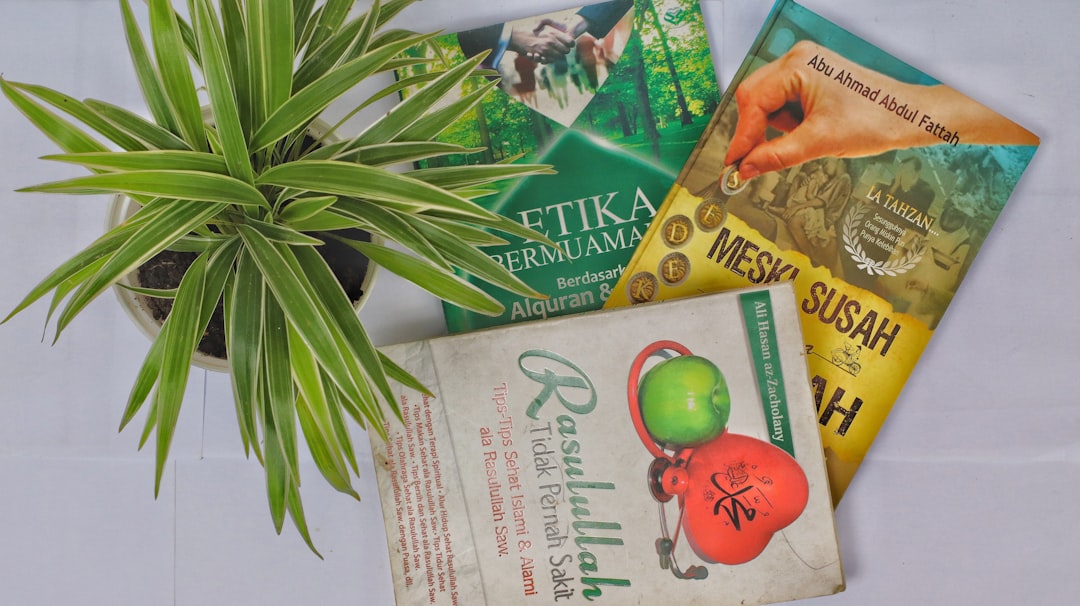
Indoor gardening has surged in popularity, particularly among urban dwellers who seek to cultivate greenery within the confines of their homes. To embark on this rewarding journey, one must first equip themselves with the essential tools and techniques that will facilitate successful plant growth. A basic toolkit for indoor gardening typically includes items such as pots, soil, watering cans, and hand tools like trowels and pruners.
The choice of pots is crucial; they should have drainage holes to prevent waterlogging, which can lead to root rot. Additionally, selecting the right type of soil is paramount. A high-quality potting mix, often enriched with organic matter, provides the necessary nutrients and aeration for healthy root development.
Beyond the basic tools, understanding the techniques of indoor gardening is equally important. For instance, mastering the art of watering is vital; overwatering is a common pitfall for beginners. A good rule of thumb is to check the top inch of soil—if it feels dry, it’s time to water.
Furthermore, indoor gardeners should familiarize themselves with the concept of light requirements for their plants. Different species have varying needs; some thrive in bright, indirect light while others prefer low-light conditions. Utilizing grow lights can also be beneficial, especially during the winter months when natural sunlight is scarce.
By combining the right tools with effective techniques, novice gardeners can create a thriving indoor oasis.
Key Takeaways
- Invest in essential indoor gardening tools such as a watering can, pruning shears, and a good quality potting mix for successful indoor gardening.
- Consider low-maintenance indoor plants like snake plants, pothos, and spider plants for beginners to start their indoor gardening journey.
- Utilize vertical space, hanging planters, and shelving to maximize indoor garden space and create a lush green oasis at home.
- Explore indoor gardening books like “The New Plant Parent” and “The Complete Houseplant Survival Manual” for valuable tips and guidance on urban indoor gardening.
- Create a sustainable indoor garden by using organic fertilizers, repurposing containers, and practicing water conservation to minimize environmental impact.
The Top Indoor Plants for Beginners
For those new to indoor gardening, selecting the right plants can make all the difference in fostering a successful experience. Some of the best choices for beginners include pothos, snake plants, and peace lilies. Pothos, known for its trailing vines and heart-shaped leaves, is incredibly forgiving and can thrive in a variety of lighting conditions.
This plant is also known for its air-purifying qualities, making it a practical choice for improving indoor air quality. Snake plants, or Sansevieria, are another excellent option due to their resilience; they can tolerate neglect and infrequent watering while still maintaining their striking upright leaves. Peace lilies are not only visually appealing with their elegant white blooms but are also low-maintenance.
They prefer indirect light and require only moderate watering, making them ideal for busy individuals or those new to plant care. Additionally, spider plants are a fantastic choice for beginners; they produce “pups” that can be easily propagated into new plants.
By starting with these easy-to-care-for plants, novice gardeners can build confidence and gradually expand their green thumb.
Advanced Tips for Maximizing Indoor Garden Space

As indoor gardening enthusiasts become more experienced, they often seek ways to maximize their limited space effectively. One advanced technique involves vertical gardening, which utilizes wall-mounted planters or shelves to create a lush display without occupying valuable floor space. This method not only enhances aesthetics but also allows for a greater variety of plants in a compact area.
Hanging planters can be particularly effective in utilizing vertical space while adding dimension to the room. Another strategy is to incorporate hydroponics or aquaponics systems into indoor gardening practices. These soil-less growing methods allow plants to thrive in nutrient-rich water solutions or in conjunction with fish tanks, respectively.
Hydroponics can be particularly advantageous in small spaces as it eliminates the need for traditional soil and can yield faster growth rates. Additionally, using multi-tiered plant stands can help organize plants by their light requirements while creating an eye-catching display. By employing these advanced techniques, indoor gardeners can transform even the smallest of spaces into vibrant green sanctuaries.
The Best Indoor Gardening Books for Urban Dwellers
For urban dwellers looking to deepen their knowledge of indoor gardening, several books stand out as invaluable resources. “The House Plant Expert” by Dr. D.G. Hessayon is often regarded as a definitive guide for beginners and seasoned gardeners alike. This book covers a wide range of houseplants, providing detailed care instructions and troubleshooting tips that are essential for maintaining healthy plants in an indoor environment. Another noteworthy title is “Indoor Gardening: A Beginner’s Guide” by Michael J. McCarthy, which offers practical advice tailored specifically for those living in urban settings. It emphasizes space-saving techniques and highlights plants that thrive in low-light conditions—perfect for apartments with limited sunlight exposure. Additionally, “The New Plant Parent” by Darryl Cheng focuses on understanding plant care through observation rather than strict rules, encouraging gardeners to develop a more intuitive relationship with their plants. These books not only provide essential information but also inspire creativity and confidence in urban gardeners seeking to cultivate their green spaces.
How to Create a Sustainable Indoor Garden
Creating a sustainable indoor garden involves more than just selecting plants; it requires a holistic approach that considers environmental impact and resource conservation. One effective strategy is to utilize organic gardening practices by choosing organic seeds and soil amendments that are free from synthetic chemicals. This not only promotes healthier plant growth but also contributes to a more sustainable ecosystem within your home.
Incorporating composting into your indoor gardening routine can significantly reduce waste while enriching your soil with nutrients. Kitchen scraps such as vegetable peels and coffee grounds can be composted in a small bin or even a worm composting system known as vermicomposting. This practice not only minimizes landfill waste but also provides nutrient-rich compost that enhances plant health.
Additionally, using rainwater collection systems or repurposing water from cooking can further promote sustainability by reducing reliance on municipal water sources. By adopting these practices, indoor gardeners can cultivate beautiful green spaces while being mindful of their environmental footprint.
Expert Advice on Indoor Gardening for All Seasons
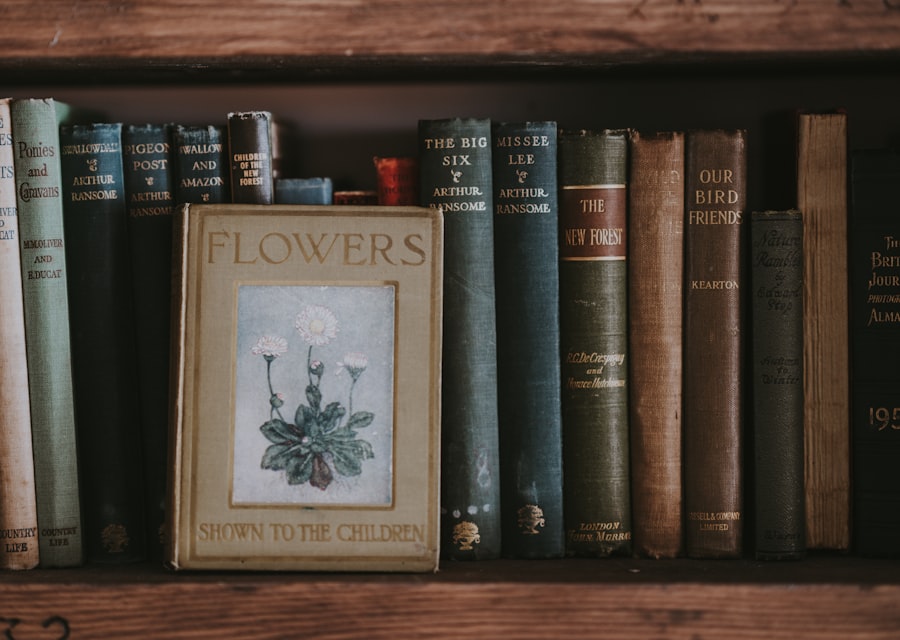
Indoor gardening presents unique challenges and opportunities throughout the seasons, and expert advice can help navigate these changes effectively. During spring and summer, when natural light is abundant, it’s essential to monitor your plants closely as they may require more frequent watering and fertilization due to increased growth rates. Experts recommend rotating pots periodically to ensure even light exposure on all sides of the plant, preventing lopsided growth.
As fall approaches and daylight hours diminish, adjusting care routines becomes crucial. Many plants enter a dormant phase during this time; therefore, reducing watering frequency and halting fertilization can help prevent overwatering and root rot. Utilizing grow lights during winter months can compensate for reduced natural light and support continued growth for light-loving species.
Additionally, experts suggest grouping plants together to create a microclimate that retains humidity—an important factor during dry winter months when indoor heating can sap moisture from the air. By following these seasonal guidelines, indoor gardeners can maintain thriving plants year-round.
The Benefits of Indoor Gardening for Mental Health
The mental health benefits of indoor gardening are well-documented and increasingly recognized in today’s fast-paced world. Engaging with plants has been shown to reduce stress levels significantly; the act of nurturing living things fosters a sense of responsibility and connection to nature that can be profoundly calming. Studies indicate that spending time around greenery can lower cortisol levels—the hormone associated with stress—while promoting feelings of relaxation and well-being.
The repetitive tasks involved in caring for plants—such as watering, pruning, and repotting—can serve as meditative activities that encourage individuals to focus on the present moment. This mindfulness aspect can be particularly beneficial for those dealing with anxiety or depression, offering a constructive outlet for emotional expression and self-care.
Additionally, the satisfaction derived from watching plants grow and thrive can boost self-esteem and foster a sense of accomplishment, further enhancing overall mental health.
How to Troubleshoot Common Indoor Gardening Problems
Even seasoned indoor gardeners encounter challenges along the way; however, knowing how to troubleshoot common problems can make all the difference in maintaining plant health. One prevalent issue is yellowing leaves, which often indicates overwatering or poor drainage. To address this problem, it’s essential to assess the watering schedule and ensure that pots have adequate drainage holes.
If root rot is suspected, repotting the plant into fresh soil may be necessary. Pest infestations are another common concern in indoor gardening; aphids, spider mites, and mealybugs can wreak havoc on houseplants if left unchecked. Regularly inspecting plants for signs of pests is crucial; early detection allows for more effective treatment options such as insecticidal soap or neem oil sprays.
Additionally, maintaining proper humidity levels can deter pests from taking hold in the first place. By being proactive and informed about potential issues, indoor gardeners can navigate challenges effectively and keep their green spaces flourishing.
For those who are passionate about indoor gardening and are seeking to expand their knowledge, exploring various resources can be incredibly beneficial. While delving into the best indoor gardening books for enthusiasts, you might also find it interesting to learn about specific plant cultivation techniques. For instance, if you’re interested in container gardening, you can check out this related article on how to grow morning glories in containers. This article provides valuable insights into nurturing these beautiful flowers indoors, complementing the knowledge gained from indoor gardening books.
FAQs
What are indoor gardening books?
Indoor gardening books are written resources that provide information, tips, and techniques for growing plants indoors. These books cover a wide range of topics including plant care, container gardening, hydroponics, and more.
What can I learn from indoor gardening books?
Indoor gardening books can teach you about selecting the right plants for indoor environments, understanding light and water requirements, troubleshooting common problems, and creating beautiful indoor garden spaces.
Are indoor gardening books suitable for beginners?
Yes, many indoor gardening books are designed to be accessible for beginners. They often include step-by-step instructions, helpful illustrations, and easy-to-understand language to guide new enthusiasts through the process of indoor gardening.
What are some popular indoor gardening books for enthusiasts?
Some popular indoor gardening books for enthusiasts include “The New Plant Parent” by Darryl Cheng, “The Complete Houseplant Survival Manual” by Barbara Pleasant, “Indoor Plant Decor” by Kylee Baumle, and “The Indoor Garden” by D.J. Herda.
Where can I find indoor gardening books?
Indoor gardening books can be found at bookstores, online retailers, and public libraries. Many gardening websites and forums also recommend and review indoor gardening books for enthusiasts.