

Indoor gardening is a practice that has gained significant traction in recent years, particularly as urban living spaces become more compact and the desire for fresh produce grows. This form of gardening allows individuals to cultivate plants within their homes, utilizing available space such as windowsills, countertops, or dedicated indoor gardens. The concept of indoor gardening is not new; it has roots in ancient civilizations where herbs and small plants were grown indoors for culinary and medicinal purposes.
Today, however, advancements in technology and a greater understanding of plant care have made it more accessible to the average person. The appeal of indoor gardening lies in its versatility. Whether one has a green thumb or is just starting out, there are numerous options available to suit different skill levels and preferences.
From simple potted herbs to sophisticated hydroponic systems, indoor gardening can be tailored to fit any lifestyle. Additionally, the act of nurturing plants indoors can provide a sense of accomplishment and connection to nature, which is often lacking in urban environments. As people become more aware of the benefits of growing their own food and the therapeutic effects of gardening, indoor gardening continues to flourish as a popular hobby.
Key Takeaways
- Indoor gardening allows you to grow plants inside your home, regardless of the outdoor climate or space limitations.
- Benefits of indoor gardening include improved air quality, stress reduction, and the ability to grow fresh produce year-round.
- When choosing the right indoor gardening kit, consider factors such as space, budget, and the types of plants you want to grow.
- Top-rated indoor gardening kits for beginners include hydroponic systems, self-watering planters, and compact herb gardens.
- Setting up your indoor gardening kit involves choosing the right location, providing adequate light and water, and monitoring plant growth regularly.
Benefits of Indoor Gardening
The benefits of indoor gardening extend beyond mere aesthetics; they encompass health, environmental, and psychological advantages. One of the most significant benefits is the ability to grow fresh produce right at home. This not only ensures that the food is organic and free from harmful pesticides but also allows for a greater variety of herbs and vegetables that may not be readily available in local grocery stores.
For instance, growing your own basil, cilantro, or even tomatoes can enhance culinary experiences and encourage healthier eating habits. Moreover, indoor gardening contributes positively to air quality. Plants naturally filter toxins from the air and release oxygen, creating a healthier living environment.
Studies have shown that certain houseplants can remove harmful substances such as formaldehyde and benzene from indoor air. This is particularly beneficial in urban settings where pollution levels can be high. Additionally, the presence of greenery indoors has been linked to reduced stress levels and improved mood.
The act of caring for plants can be meditative, providing a sense of purpose and tranquility amidst the hustle and bustle of daily life.
Choosing the Right Indoor Gardening Kit

Selecting the appropriate indoor gardening kit is crucial for success, especially for beginners who may feel overwhelmed by the myriad of options available. When choosing a kit, it is essential to consider factors such as space availability, light conditions, and the types of plants you wish to grow. For instance, if you have limited natural light, opting for a kit that includes grow lights can be beneficial.
These lights simulate sunlight and provide the necessary spectrum for photosynthesis, allowing plants to thrive even in dimly lit environments. Another important consideration is the type of growing medium used in the kit. Some kits utilize soil-based systems, while others employ hydroponic or aeroponic methods.
Soil-based kits are often more forgiving for beginners, as they provide a buffer against overwatering and nutrient imbalances. On the other hand, hydroponic systems can yield faster growth rates and higher productivity but may require more technical knowledge to manage effectively. Ultimately, the right kit should align with your gardening goals and lifestyle preferences.
Top-rated Indoor Gardening Kits for Beginners
For those just embarking on their indoor gardening journey, several top-rated kits cater specifically to beginners. One popular option is the AeroGarden Harvest Elite, which features a hydroponic system that allows users to grow herbs and vegetables without soil. This kit comes with built-in grow lights and an easy-to-use control panel that reminds users when to add water and nutrients.
Its compact design makes it suitable for small spaces, making it an excellent choice for urban dwellers. Another highly recommended kit is the Click and Grow Smart Garden 3. This innovative system uses smart soil technology that automatically provides the right amount of water and nutrients to plants.
With pre-seeded pods available for various herbs and vegetables, users can simply insert the pods into the garden and watch them grow with minimal effort. The Click and Grow system is particularly appealing for those who may not have much experience with plant care but still want to enjoy the benefits of indoor gardening.
How to Set Up Your Indoor Gardening Kit
Setting up an indoor gardening kit requires careful attention to detail to ensure optimal growth conditions for your plants. Begin by selecting an appropriate location that receives adequate light—ideally near a south-facing window or under grow lights if natural light is insufficient. Ensure that the area is free from drafts and extreme temperature fluctuations, as these can stress plants and hinder their growth.
Once you have chosen a location, follow the manufacturer’s instructions for assembling your kit. This may involve filling reservoirs with water, adding nutrients, or inserting seed pods into designated slots. It’s essential to monitor water levels regularly and adjust nutrient concentrations according to the specific needs of your plants.
Additionally, consider using a humidity dome if your kit includes one; this can help maintain moisture levels during germination and promote healthy root development.
Tips for Successful Indoor Gardening
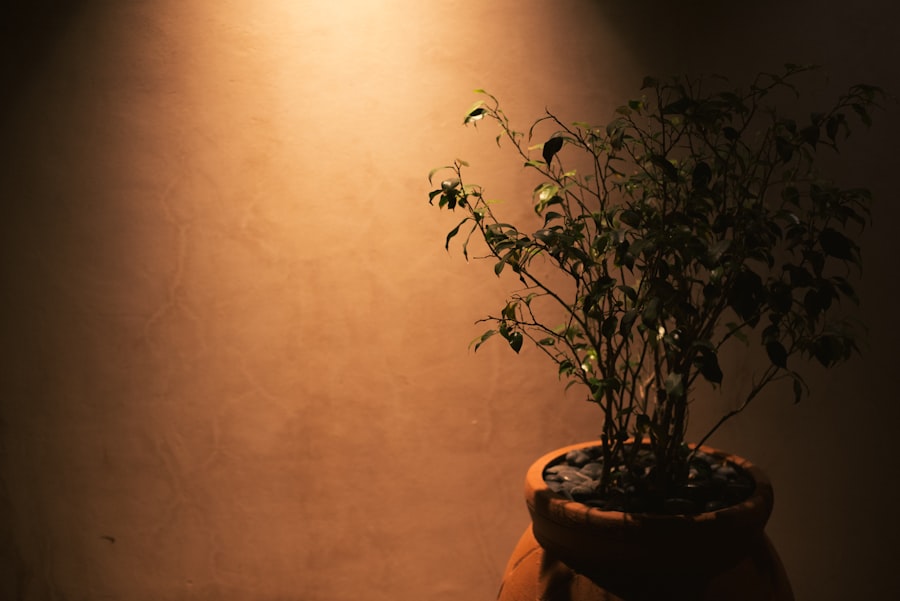
To achieve success in indoor gardening, several best practices can enhance your experience and yield better results. First and foremost, understanding the specific needs of your chosen plants is crucial. Different species have varying requirements regarding light intensity, watering frequency, and humidity levels.
Researching these needs will help you create an environment conducive to growth. Regular maintenance is also key to thriving indoor gardens. This includes monitoring for pests such as aphids or spider mites, which can quickly infest plants if left unchecked.
Implementing preventive measures such as neem oil or insecticidal soap can help manage these issues organically. Additionally, pruning dead or yellowing leaves encourages healthy growth by allowing more energy to be directed toward thriving parts of the plant.
Troubleshooting Common Indoor Gardening Issues
Even with careful planning and execution, indoor gardeners may encounter challenges along the way. One common issue is overwatering, which can lead to root rot—a condition that can be detrimental to plant health. Signs of overwatering include yellowing leaves and a mushy texture at the base of the plant.
To remedy this situation, allow the soil or growing medium to dry out before watering again and ensure that pots have adequate drainage holes. Another frequent problem is inadequate light exposure, which can result in leggy growth or slow development. If plants appear stretched or pale, consider relocating them closer to a light source or investing in supplemental grow lights.
Conversely, too much direct sunlight can scorch leaves; thus, it’s essential to strike a balance based on each plant’s specific light requirements.
Taking Your Indoor Gardening to the Next Level
Once you have mastered the basics of indoor gardening, there are numerous ways to elevate your experience further. One option is experimenting with advanced growing techniques such as vertical gardening or aquaponics. Vertical gardening maximizes space by allowing plants to grow upward rather than outward, making it ideal for small apartments or homes with limited floor space.
Additionally, incorporating companion planting strategies can enhance plant health and productivity. Certain plants naturally repel pests or attract beneficial insects when grown together; for example, basil planted alongside tomatoes can improve flavor while deterring pests like aphids. Furthermore, engaging with local gardening communities—whether online or in-person—can provide valuable insights and inspiration as you continue your indoor gardening journey.
By embracing these advanced techniques and continuously learning about plant care, you can transform your indoor garden into a thriving ecosystem that not only beautifies your living space but also contributes positively to your well-being and sustainability efforts.
If you’re interested in starting your indoor gardening journey with some beautiful climbing plants, you may want to check out this article on b6g.
net/how-to-grow-plant/how-to-grow-climbing-roses-on-walls/’>how to grow climbing roses on walls. Climbing roses can add a touch of elegance and charm to any indoor space, and with the right care and attention, they can thrive and bloom beautifully. This article provides helpful tips and guidance on how to successfully grow and care for climbing roses indoors.
FAQs
What are indoor gardening kits for beginners?
Indoor gardening kits for beginners are all-in-one packages that include everything a beginner needs to start growing plants indoors. These kits typically include pots, soil, seeds, and sometimes even grow lights or other accessories.
What are the benefits of using indoor gardening kits for beginners?
Indoor gardening kits for beginners provide a convenient and easy way for new gardeners to start growing plants indoors. They often come with detailed instructions and all the necessary supplies, making it simple for beginners to get started with indoor gardening.
What types of plants can be grown with indoor gardening kits for beginners?
Indoor gardening kits for beginners can be used to grow a variety of plants, including herbs, vegetables, flowers, and even small fruiting plants. Many kits are designed specifically for growing herbs or small vegetables, making them ideal for beginners who want to start with easy-to-grow plants.
What should beginners look for in an indoor gardening kit?
Beginners should look for indoor gardening kits that include all the necessary supplies, such as pots, soil, seeds, and instructions. It’s also helpful to look for kits that are designed for the specific types of plants the beginner wants to grow, and that are suitable for the available space and light conditions.
Are indoor gardening kits suitable for small spaces?
Yes, many indoor gardening kits are designed to be used in small spaces, such as apartments or small homes. Some kits are specifically designed for small spaces and may include compact pots or vertical gardening options to maximize space.