

Plant caddies, often overlooked in the realm of gardening accessories, serve as a practical solution for both indoor and outdoor plant care. These wheeled platforms are designed to support potted plants, allowing for easy movement and repositioning without the strain of lifting heavy pots. The concept of a plant caddy is simple yet effective; it provides a stable base that can accommodate various pot sizes while facilitating the mobility of plants.
This is particularly beneficial for those who enjoy rearranging their living spaces or need to move plants to optimize sunlight exposure. The utility of plant caddies extends beyond mere convenience. They can also protect floors from scratches and water damage, especially when dealing with pots that may leak or require frequent watering.
Additionally, plant caddies can enhance the aesthetic appeal of a space by providing a cohesive look to plant arrangements. With a variety of designs, materials, and functionalities available, selecting the right plant caddy can significantly enhance both the health of your plants and the overall ambiance of your home or garden.
Key Takeaways
- Plant caddies are essential tools for moving and displaying plants both indoors and outdoors.
- When choosing a plant caddy, consider factors such as weight capacity, material, size, and mobility options.
- The best plant caddies for indoor plants are typically smaller in size, with a focus on style and design.
- For outdoor plants, look for plant caddies that are weather-resistant and durable to withstand the elements.
- Heavy-duty plant caddies are ideal for large pots, providing stability and support for heavier plants.
Factors to Consider When Choosing a Plant Caddy
When selecting a plant caddy, several factors come into play that can influence your decision. First and foremost is the size of the caddy in relation to the pot it will support. It is essential to choose a caddy that can adequately accommodate the dimensions and weight of your plant pot.
A caddy that is too small may not provide sufficient support, leading to instability, while one that is excessively large may detract from the visual appeal of your arrangement. Therefore, measuring both the pot and the intended caddy is crucial to ensure a proper fit. Another important consideration is the material of the plant caddy.
Common materials include plastic, wood, metal, and ceramic, each offering distinct advantages and disadvantages. Plastic caddies are lightweight and often more affordable, making them a popular choice for indoor use. However, they may not be as durable as their wooden or metal counterparts.
Wooden caddies can add a rustic charm to your decor but may require more maintenance to prevent rot or warping over time. Metal caddies are typically robust and can withstand outdoor conditions but may be prone to rust if not properly treated. Understanding the environment in which the caddy will be used—whether indoors or outdoors—will help guide your material choice.
Best Plant Caddies for Indoor Plants

Indoor plant caddies come in various styles and functionalities, catering to different aesthetic preferences and practical needs. One standout option is the classic wooden plant caddy, which not only provides stability but also adds a touch of warmth to indoor spaces. These caddies often feature a natural finish that complements various interior design styles, from modern minimalism to rustic farmhouse aesthetics.
Additionally, many wooden caddies come with protective casters that allow for smooth movement across floors without scratching surfaces. For those seeking a more contemporary look, metal plant caddies are an excellent choice. They often feature sleek designs with clean lines and can be found in various finishes such as matte black or brushed nickel.
These caddies are particularly well-suited for modern decor and can support heavier pots with ease. Some models even incorporate adjustable heights or multi-tiered designs, allowing for creative arrangements that maximize vertical space in smaller rooms.
Best Plant Caddies for Outdoor Plants
When it comes to outdoor plants, durability and weather resistance become paramount considerations. Heavy-duty plastic plant caddies are among the best options for outdoor use due to their lightweight nature and resistance to fading or cracking under UV exposure. Many outdoor caddies are designed with drainage holes to prevent water accumulation, which is crucial for maintaining healthy root systems in potted plants.
Additionally, some models come equipped with wheels that lock into place, ensuring stability even in windy conditions. Another excellent choice for outdoor settings is the metal plant caddy, particularly those made from galvanized steel or powder-coated aluminum. These materials are designed to withstand harsh weather conditions while providing a sturdy base for larger pots.
Some outdoor metal caddies feature decorative elements such as scrollwork or intricate designs that can enhance the visual appeal of your garden or patio area. Furthermore, many outdoor caddies are designed with functionality in mind, offering features like built-in trays for catching excess water or removable liners for easy cleaning.
Heavy-Duty Plant Caddies for Large Pots
For gardeners who work with large pots or heavy plants, heavy-duty plant caddies are essential tools that provide both support and mobility. These robust caddies are typically constructed from reinforced materials such as thick plastic or heavy-gauge metal, ensuring they can bear significant weight without bending or breaking.
One popular option among serious gardeners is the industrial-grade plastic plant caddy, which often features reinforced wheels designed for smooth movement over various surfaces, including gravel or grass. These caddies are particularly useful for large potted trees or shrubs that require frequent repositioning for optimal sunlight exposure or seasonal changes in outdoor conditions. Additionally, some heavy-duty models come with built-in handles that facilitate lifting and maneuvering, making them ideal for those who may struggle with heavy lifting.
Plant Caddies with Wheels for Easy Mobility
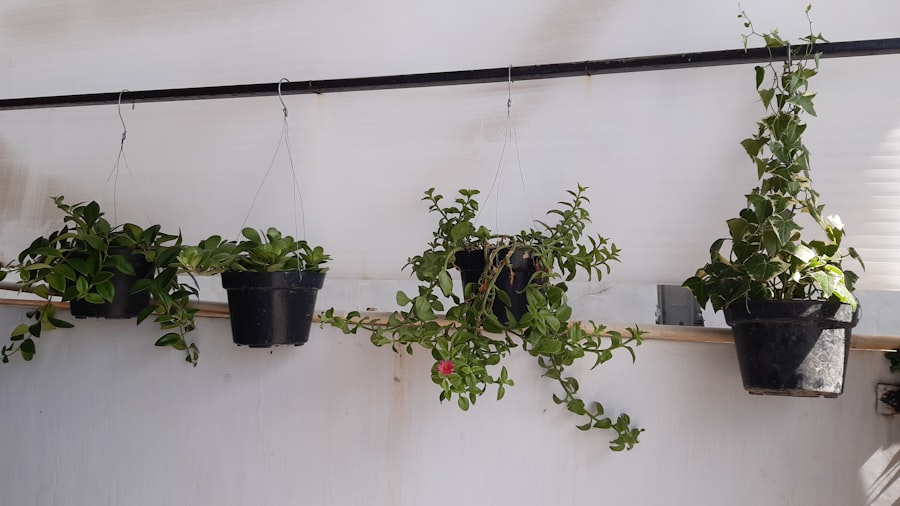
Mobility is one of the primary advantages of using plant caddies, especially those equipped with wheels. These wheeled caddies allow gardeners to effortlessly move their plants indoors and outdoors as needed, making them an invaluable tool for anyone who wants to optimize their plants’ exposure to sunlight or protect them from inclement weather. When choosing a wheeled plant caddy, consider the type of wheels used; larger wheels tend to perform better on uneven surfaces like patios or garden paths.
Many wheeled plant caddies also feature locking mechanisms that secure the wheels in place once the desired position is achieved. This feature is particularly beneficial for larger pots that may be top-heavy or prone to tipping over if not stabilized properly. Additionally, some models come with swivel wheels that allow for greater maneuverability in tight spaces, making it easier to navigate around furniture or other obstacles indoors.
Decorative Plant Caddies for Stylish Display
In addition to their functional benefits, decorative plant caddies can enhance the aesthetic appeal of your indoor or outdoor spaces. These stylish options come in various designs, colors, and materials that can complement your existing decor while providing practical support for your plants. For instance, wrought iron plant caddies often feature intricate designs that add an artistic touch to any setting while ensuring durability and stability.
Ceramic plant caddies are another attractive option that can seamlessly blend into garden landscapes or indoor arrangements. Available in various glazes and patterns, these decorative caddies can serve as statement pieces in their own right while providing essential support for potted plants. Some ceramic models even incorporate drainage features, allowing excess water to escape while maintaining an elegant appearance.
Conclusion and Final Recommendations
In summary, selecting the right plant caddy involves considering various factors such as size, material, intended use, and aesthetic preferences. Whether you are looking for a sturdy option for large outdoor pots or a decorative piece to enhance your indoor decor, there is a wide range of choices available on the market today.
Ultimately, investing in a quality plant caddy not only simplifies plant care but also elevates the overall look of your living spaces or garden areas. By carefully evaluating your specific needs and preferences, you can find the perfect plant caddy that combines functionality with style, ensuring your plants thrive while enhancing your home’s aesthetic appeal.
If you’re interested in enhancing your gardening experience beyond just moving your potted plants with ease, you might want to explore how to grow beautiful climbing plants. A related article that could be of interest is about growing passionflower vines, which can add a stunning vertical element to your garden. For more information, check out this detailed guide on how to grow passionflower vines. This article provides insights into the ideal conditions and care needed to cultivate these vibrant and exotic flowers successfully.
FAQs
What is a plant caddy?
A plant caddy is a wheeled platform or tray designed to hold potted plants, allowing for easy movement and repositioning of the plants.
What are the benefits of using a plant caddy?
Using a plant caddy makes it easier to move heavy potted plants, allows for better access to sunlight or shade, and helps protect floors and surfaces from water damage and scratches.
What features should I look for in a plant caddy?
When choosing a plant caddy, consider the weight capacity, wheel type (such as swivel or locking wheels), material (plastic, metal, or wood), and size to ensure it fits your specific plant and space.
How do I use a plant caddy?
To use a plant caddy, simply place the potted plant on the caddy and move it to the desired location. Ensure the plant is secure on the caddy before moving it.
Can plant caddies be used indoors and outdoors?
Yes, plant caddies can be used both indoors and outdoors, depending on the material and design. Be sure to choose a caddy that is suitable for the specific environment in which it will be used.