

Sustainable mulching is an essential practice in modern gardening and landscaping that emphasizes environmental stewardship while enhancing the health and productivity of soil. This technique involves applying a layer of organic or inorganic materials to the surface of the soil, which serves multiple purposes, including moisture retention, temperature regulation, and weed suppression. As the world grapples with climate change and diminishing natural resources, sustainable mulching emerges as a practical solution that aligns with eco-friendly gardening principles.
By utilizing materials that are renewable, biodegradable, or recycled, gardeners can contribute to a more sustainable ecosystem while reaping the benefits of improved soil health. The concept of sustainable mulching extends beyond mere aesthetics; it is rooted in the understanding that healthy soil is the foundation of a thriving garden. Mulch acts as a protective barrier, shielding the soil from erosion and nutrient loss while fostering a habitat for beneficial microorganisms.
As awareness of environmental issues grows, more gardeners are seeking ways to implement sustainable practices, making mulching an increasingly popular choice.
Key Takeaways
- Sustainable mulching helps conserve soil moisture, suppress weeds, and improve soil health.
- Types of sustainable mulch include organic materials like straw, wood chips, and leaves, as well as synthetic options like rubber and plastic.
- Consider factors like climate, soil type, and plant needs when choosing the right mulch for your garden.
- Apply sustainable mulch in a layer 2-4 inches thick, leaving space around plant stems to prevent rot.
- Sustainable mulching benefits include weed suppression, soil insulation, and improved water retention, leading to healthier plants and reduced maintenance.
Types of Sustainable Mulch
Organic Mulches: Natural and Nutrient-Rich
Organic mulches, such as wood chips, straw, grass clippings, and shredded leaves, are derived from natural materials and decompose over time, enriching the soil with nutrients. Wood chips, for example, provide excellent moisture retention and improve soil structure as they break down. Straw is another popular choice, particularly for vegetable gardens, as it helps suppress weeds while allowing water to penetrate easily. Grass clippings can also be an effective mulch when used in moderation, decomposing quickly and adding nitrogen to the soil.
Inorganic Mulches: Alternative Options
Inorganic mulches, including materials like gravel, stones, and landscape fabric, do not decompose and enrich the soil like organic mulches. However, they can still play a vital role in sustainable gardening. Gravel can be used in xeriscaping to reduce water usage while providing excellent drainage. Landscape fabric can help control weeds without the need for chemical herbicides.
Long-Term Implications: Choosing the Right Mulch
When selecting a mulch, it is essential to consider the long-term implications of using inorganic materials. While they may not contribute to soil health in the same way organic options do, they can still be a valuable tool in sustainable gardening. By understanding the unique properties and benefits of each type of mulch, gardeners can make informed decisions that support their gardening goals and the environment.
Choosing the Right Mulch for Your Garden

Selecting the appropriate mulch for your garden requires careful consideration of several factors, including plant type, climate, and specific garden goals. For instance, if you are cultivating a vegetable garden in a hot climate, organic mulches like straw or shredded leaves can help retain moisture and keep soil temperatures stable.
Another critical aspect to consider is the aesthetic appeal of the mulch. Different types of mulch come in various colors and textures that can complement your garden’s design. For example, dark wood chips can create a striking contrast against vibrant flower beds, while light-colored gravel can enhance the appearance of succulents and cacti.
Additionally, it is essential to think about the availability and cost of the mulch materials. Locally sourced organic mulches are often more sustainable and economical than imported options. By evaluating these factors carefully, gardeners can make informed decisions that align with their environmental values while achieving their desired garden outcomes.
Application Techniques for Sustainable Mulching
Proper application techniques are crucial for maximizing the benefits of sustainable mulching. The first step involves preparing the area by removing any existing weeds or debris from the soil surface. This ensures that the mulch can effectively suppress weeds and allows for better moisture retention.
Once the area is cleared, it is advisable to apply a layer of organic matter or compost before adding mulch. This practice not only enriches the soil but also provides a nutrient base for plants as the mulch decomposes. When applying mulch, it is essential to create an even layer that is neither too thick nor too thin.
A depth of 2 to 4 inches is generally recommended for most organic mulches; this thickness helps retain moisture while preventing weed growth. However, it is crucial to avoid piling mulch directly against plant stems or tree trunks, as this can lead to rot and other diseases. Instead, maintain a small gap around plants to promote airflow and prevent moisture buildup at the base.
Regularly checking and replenishing mulch as it decomposes will ensure that your garden continues to benefit from this sustainable practice.
Benefits of Sustainable Mulching
The advantages of sustainable mulching extend far beyond mere aesthetics; they encompass a wide range of ecological and practical benefits that contribute to healthier gardens and landscapes. One of the most significant benefits is moisture retention. By covering the soil with mulch, gardeners can significantly reduce evaporation rates, ensuring that plants receive adequate hydration even during dry spells.
This is particularly beneficial in regions prone to drought or where water conservation is a priority. In addition to moisture retention, sustainable mulching plays a vital role in temperature regulation. Mulch acts as an insulating layer that helps maintain consistent soil temperatures throughout the growing season.
This is especially important for young plants and seedlings that are sensitive to temperature fluctuations. Furthermore, by suppressing weeds, mulch reduces competition for nutrients and water, allowing plants to thrive without the added stress of invasive species. The use of organic mulches also promotes biodiversity by providing habitats for beneficial insects and microorganisms that contribute to soil health.
Maintaining Sustainable Mulch
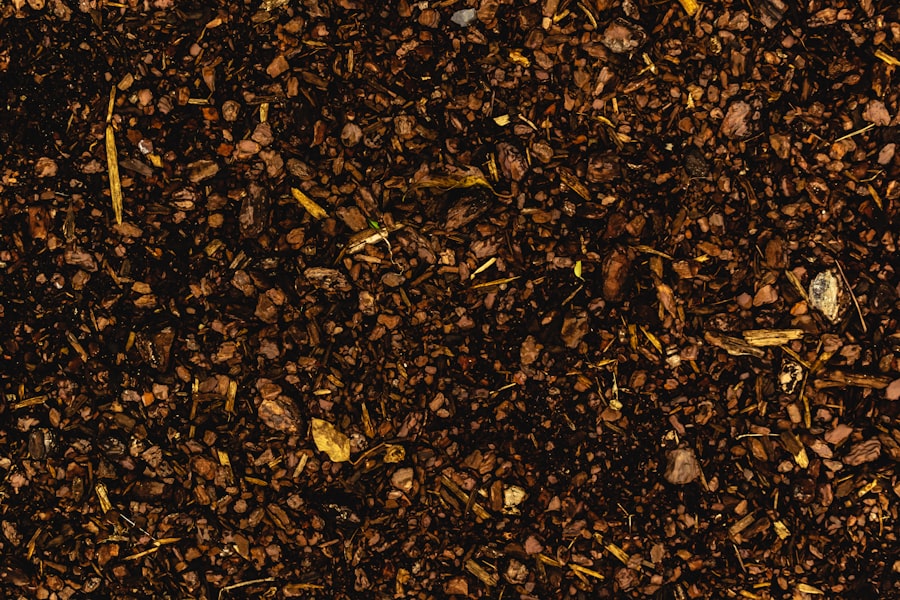
Maintaining sustainable mulch is an ongoing process that requires regular attention to ensure its effectiveness over time. One key aspect of maintenance is monitoring the depth of the mulch layer. As organic materials decompose, they will gradually break down and settle into the soil.
Gardeners should periodically check the mulch depth and replenish it as needed to maintain optimal coverage. This not only ensures continued moisture retention but also prevents weed growth from re-emerging. Another important maintenance task involves keeping an eye out for pests or diseases that may develop within the mulch layer.
While organic mulches can attract beneficial organisms, they can also harbor pests if not managed properly. Regularly turning or aerating the mulch can help prevent compaction and promote healthy decomposition while discouraging pest infestations. Additionally, it is advisable to remove any diseased plant material or debris from the mulch layer promptly to prevent the spread of pathogens.
Common Mistakes to Avoid in Sustainable Mulching
While sustainable mulching offers numerous benefits, there are several common mistakes that gardeners should avoid to ensure success. One prevalent error is applying mulch too thickly; excessive layers can suffocate plant roots and create an environment conducive to rot and fungal diseases. It is crucial to adhere to recommended depths and maintain proper spacing around plant bases.
Another mistake involves using non-sustainable materials or improperly sourced organic mulches. For instance, using dyed wood chips may introduce harmful chemicals into the garden ecosystem. Gardeners should opt for untreated wood products or locally sourced organic materials whenever possible.
Additionally, failing to prepare the soil adequately before applying mulch can lead to poor results; removing weeds and debris is essential for maximizing mulch effectiveness.
The Importance of Sustainable Mulching for Your Garden
Sustainable mulching represents a harmonious blend of practicality and environmental responsibility in gardening practices. By choosing appropriate materials and employing effective application techniques, gardeners can create thriving ecosystems that support plant health while minimizing their ecological footprint. The myriad benefits of sustainable mulching—ranging from moisture retention and temperature regulation to weed suppression—underscore its significance in modern horticulture.
As awareness grows regarding environmental issues and sustainable practices become increasingly vital in our daily lives, embracing sustainable mulching can serve as a powerful tool for gardeners seeking to make a positive impact on their surroundings. By prioritizing eco-friendly choices in their gardening endeavors, individuals can contribute to a healthier planet while enjoying the beauty and bounty of their gardens.
If you are looking to enhance your garden with beautiful vines, you may want to check out this article on how to grow passionflower vines. Passionflower vines can add a unique and colorful touch to your garden, and learning how to properly care for them can help them thrive. Incorporating sustainable mulching methods, as discussed in the article on best methods for mulching your garden sustainably, can also benefit the growth of your passionflower vines.
FAQs
What is mulching and why is it important for gardening?
Mulching is the process of covering the soil in a garden with a layer of material, such as leaves, straw, or wood chips. It is important for gardening because it helps to retain moisture in the soil, suppress weeds, regulate soil temperature, and improve soil fertility.
What are the best sustainable materials for mulching a garden?
Sustainable materials for mulching a garden include organic materials such as straw, leaves, grass clippings, wood chips, and compost. These materials are biodegradable and help to improve soil health without harming the environment.
How thick should the mulch layer be in a garden?
The mulch layer in a garden should be around 2-4 inches thick. This thickness helps to effectively suppress weeds, retain moisture, and regulate soil temperature.
How often should mulch be replenished in a garden?
Mulch should be replenished in a garden once a year, typically in the spring. This helps to maintain the benefits of mulching, such as weed suppression and moisture retention.
What are the benefits of using sustainable mulching methods in a garden?
Using sustainable mulching methods in a garden helps to improve soil health, reduce the need for chemical fertilizers and pesticides, conserve water, and support a healthy ecosystem. It also reduces waste by using organic materials that would otherwise be discarded.