

Green manures are cover crops that are grown primarily to enhance soil fertility and structure rather than for harvest. These crops are typically planted during the off-season or between main crop cycles, serving as a natural method of soil improvement. The term “green manure” refers to the practice of growing plants that are later tilled back into the soil while they are still green, thus enriching the soil with organic matter and nutrients.
Commonly used green manure species include legumes, grasses, and other broadleaf plants, each contributing unique benefits to the soil ecosystem. The practice of using green manures dates back centuries, with ancient agricultural societies recognizing the importance of maintaining soil health. By incorporating these plants into the soil, farmers can improve nutrient availability, enhance microbial activity, and promote better water retention.
Green manures not only provide a sustainable alternative to chemical fertilizers but also contribute to the overall biodiversity of the agricultural landscape. This method aligns with organic farming principles and regenerative agriculture practices, emphasizing the importance of nurturing the soil as a living entity.
Key Takeaways
- Green manures are cover crops that are grown specifically to improve soil fertility and structure.
- Using green manures can help suppress weeds, prevent soil erosion, and increase organic matter in the soil.
- When choosing the right green manure for your garden, consider factors such as climate, soil type, and the specific needs of your crops.
- Plant and grow green manures by sowing seeds directly into the soil and allowing them to grow for a specific period before incorporating them into the soil.
- Incorporate green manures into your soil at the right time to maximize their benefits, such as before planting a new crop or during fallow periods.
- Maximize the benefits of green manures by choosing the right cover crop, managing their growth, and properly incorporating them into the soil.
- Common mistakes to avoid when using green manures include letting them grow too long, not properly incorporating them into the soil, and choosing the wrong cover crop for your garden.
- Examples of popular green manure crops include clover, alfalfa, vetch, rye, and buckwheat.
Benefits of using green manures
Nitrogen Fixation
One of the primary advantages of green manures is their ability to fix nitrogen in the soil. Leguminous green manures, such as clover and vetch, have symbiotic relationships with nitrogen-fixing bacteria, which convert atmospheric nitrogen into a form that plants can utilize.
Soil Improvement
In addition to nitrogen fixation, green manures improve soil structure and health. The root systems of these plants help to aerate the soil, promoting better drainage and root penetration for subsequent crops.
This is particularly beneficial in sandy soils that drain quickly or clay soils that tend to compact.
Weed Suppression and Ecosystem Health
Green manures can also suppress weeds by outcompeting them for resources and providing ground cover that inhibits their growth. This natural weed management strategy reduces reliance on herbicides and promotes a healthier ecosystem.
Choosing the right green manure for your garden

Selecting the appropriate green manure for your garden involves considering several factors, including climate, soil type, and the specific goals you wish to achieve. Different green manure species thrive in various conditions; therefore, understanding your local environment is crucial. For instance, if you live in a cooler climate, winter rye or hairy vetch may be suitable options due to their cold tolerance.
Conversely, warmer regions may benefit from planting buckwheat or cowpeas during the summer months. Another important consideration is the compatibility of the chosen green manure with your existing crop rotation. Some plants may be more beneficial when grown before certain crops due to their nutrient profiles or pest-repelling properties.
For example, legumes can be particularly advantageous when planted before corn or other nitrogen-hungry crops. Additionally, it is essential to consider the growth habit of the green manure; some may grow tall and require more space, while others may spread out and cover ground effectively. Researching local agricultural extension services or consulting with experienced gardeners can provide valuable insights into selecting the best green manure for your specific situation.
How to plant and grow green manures
Planting and growing green manures is a straightforward process that can be adapted to various gardening styles and scales. The first step involves preparing the soil by tilling or loosening it to create a suitable seedbed. This preparation helps ensure good seed-to-soil contact, which is vital for germination.
Depending on the type of green manure chosen, seeds can be sown either by broadcasting them over the surface or by drilling them into rows at recommended depths. Timing is also critical when planting green manures. Ideally, they should be sown at least six weeks before the first expected frost in colder climates or during the early part of the growing season in warmer areas.
This allows sufficient time for growth before they are incorporated into the soil. Regular monitoring of moisture levels is essential during this period; if rainfall is insufficient, supplemental irrigation may be necessary to promote healthy growth. Once established, green manures should be managed similarly to other crops, including weed control and pest monitoring.
When and how to incorporate green manures into your soil
Incorporating green manures into your soil is a crucial step that maximizes their benefits. The timing of incorporation largely depends on the growth stage of the plants; ideally, they should be tilled back into the soil just before flowering when nutrient content is at its peak. At this stage, the plants are still lush and green, which enhances their ability to decompose quickly and enrich the soil.
The method of incorporation can vary based on garden size and equipment availability. For small gardens, a spade or garden fork can be used to turn the plants into the soil manually. In larger fields or farms, a rototiller may be employed for more efficient incorporation.
It is essential to ensure that the plant material is evenly mixed into the topsoil to facilitate decomposition and nutrient release. After incorporation, allowing a few weeks for decomposition before planting subsequent crops can further enhance nutrient availability.
Tips for maximizing the benefits of green manures
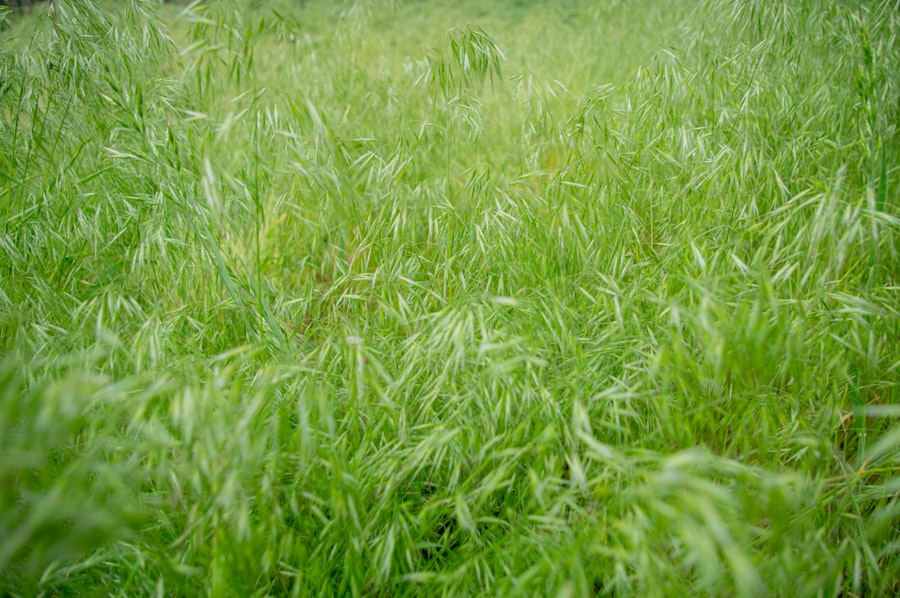
To fully harness the advantages of green manures, several best practices can be implemented throughout their lifecycle. First and foremost is diversity; planting a mix of different species can lead to improved soil health and resilience against pests and diseases. For instance, combining legumes with non-leguminous plants can provide a broader range of nutrients and organic matter as they decompose.
Another effective strategy is to monitor soil health regularly through testing and observation. Soil tests can provide insights into nutrient levels and pH balance, allowing gardeners to adjust their practices accordingly. Additionally, maintaining proper moisture levels during both growth and incorporation phases is vital for maximizing nutrient retention in the soil.
Implementing crop rotation alongside green manures can also enhance overall soil fertility by preventing nutrient depletion associated with monoculture practices.
Common mistakes to avoid when using green manures
While using green manures can significantly benefit soil health, several common mistakes can undermine their effectiveness. One frequent error is failing to allow sufficient time for growth before incorporation. Rushing this process can lead to inadequate biomass being returned to the soil, limiting potential nutrient contributions.
It is essential to monitor growth stages closely and wait until plants reach optimal maturity before tilling them under. Another mistake involves neglecting proper species selection based on local conditions and crop rotation plans. Planting a species ill-suited for your climate or soil type can result in poor growth or even crop failure.
Additionally, some gardeners may overlook pest management during the growth phase of green manures; while these crops can suppress certain pests, they may also attract others if not monitored properly. Regular observation and timely interventions are crucial for maintaining a healthy balance in your garden ecosystem.
Examples of popular green manure crops
Several popular green manure crops have gained recognition for their effectiveness in improving soil health across various climates and agricultural systems. One widely used option is crimson clover (Trifolium incarnatum), known for its rapid growth and ability to fix nitrogen effectively. It thrives in well-drained soils and provides excellent ground cover during winter months.
Another notable example is winter rye (Secale cereale), which is particularly valued for its hardiness in cold climates. Winter rye establishes quickly in fall and provides substantial biomass by springtime, making it an excellent choice for erosion control and nutrient retention. Buckwheat (Fagopyrum esculentum) is another versatile option that grows rapidly during warm months and excels at suppressing weeds while attracting beneficial insects like pollinators.
Its ability to thrive in poor soils makes it an ideal choice for improving fertility in less-than-ideal conditions. Leguminous options such as hairy vetch (Vicia villosa) are also popular due to their exceptional nitrogen-fixing capabilities and ability to improve soil structure through deep rooting systems. Each of these crops offers unique benefits that can be tailored to specific gardening needs, making them valuable components of sustainable agricultural practices.
If you’re looking to enhance your garden with beautiful vines, you may want to check out this article on how to grow trumpet vines on pergolas. Trumpet vines can add a pop of color and attract pollinators to your outdoor space. Pairing these vines with green manures can help improve the health of your soil and overall garden ecosystem.
FAQs
What are green manures?
Green manures are cover crops that are grown specifically to improve the soil’s fertility and structure. They are typically grown during the off-season or in between main crops and are then incorporated into the soil to add organic matter and nutrients.
What are the benefits of using green manures in the garden?
Using green manures in the garden can help improve soil fertility, structure, and drainage. They also help suppress weeds, reduce erosion, and attract beneficial insects. Additionally, green manures can add organic matter and nutrients to the soil, reducing the need for synthetic fertilizers.
What are some common types of green manures?
Common types of green manures include legumes such as clover, vetch, and peas, as well as grasses like rye, oats, and barley. Other options include brassicas like mustard and oilseed radish.
How do you use green manures in the garden?
To use green manures in the garden, simply sow the seeds of the chosen cover crop in the designated area. Allow the cover crop to grow for a specific period of time, typically 6-8 weeks, before incorporating it into the soil. This can be done by either tilling the cover crop into the soil or by cutting it down and allowing it to decompose on the surface.
Are there any drawbacks to using green manures?
While green manures offer numerous benefits, there are some potential drawbacks to consider. For example, some cover crops can become invasive if not managed properly. Additionally, certain green manures may compete with main crops for nutrients and water if not timed correctly. It’s important to research and select the right green manure for your specific garden needs.