
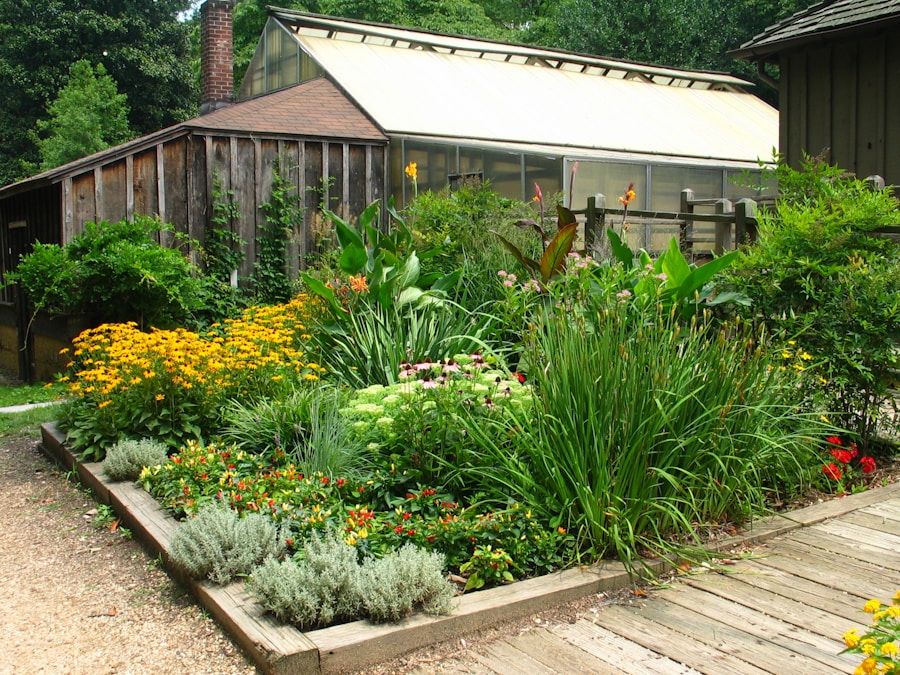
Sustainable gardening is an approach that emphasizes the importance of ecological balance and resource conservation. At its core, it seeks to create a garden that not only thrives but also contributes positively to the environment. This philosophy is rooted in the understanding that gardening practices can either deplete or enrich the ecosystem.
Sustainable gardening encourages practices that minimize waste, reduce pollution, and promote biodiversity. By adopting these principles, gardeners can cultivate spaces that are not only beautiful but also resilient and self-sustaining. One of the fundamental principles of sustainable gardening is the concept of closed-loop systems.
This involves creating a garden where resources are reused and recycled, thereby reducing the need for external inputs. For instance, instead of relying on chemical fertilizers, sustainable gardeners often utilize organic matter such as compost or well-rotted manure to enrich the soil. This not only nourishes plants but also enhances soil structure and promotes beneficial microbial activity.
Additionally, sustainable gardening advocates for the use of native plants, which are adapted to local conditions and require less water and maintenance, further supporting the local ecosystem.
Key Takeaways
- Sustainable gardening focuses on working with nature, not against it, to create a healthy and balanced ecosystem.
- Choose native and drought-resistant plants to reduce the need for excessive watering and maintenance.
- Implement water-saving techniques such as drip irrigation, rainwater harvesting, and using mulch to retain moisture in the soil.
- Utilize composting to recycle organic waste and improve soil health, while mulching helps to suppress weeds and retain moisture.
- Natural pest control methods such as companion planting, attracting beneficial insects, and using physical barriers can help maintain a healthy garden ecosystem.
Choosing the Right Plants for a Sustainable Garden
Native Plants: A Natural Fit
For example, in a region like the Midwest United States, plants such as coneflowers (Echinacea purpurea) and black-eyed Susans (Rudbeckia hirta) not only provide vibrant color but also attract pollinators like bees and butterflies.
Creating Resilient Gardens
By choosing native species, gardeners can create habitats that support local wildlife while reducing the need for chemical interventions. In addition to native plants, incorporating a diverse range of species can enhance the resilience of a garden. Companion planting is a technique that involves growing different plants in proximity for mutual benefit.
Promoting Sustainability
For instance, planting marigolds alongside vegetables can deter harmful nematodes and other pests. This diversity not only helps in pest management but also improves soil health by promoting a variety of root structures and microbial communities. Furthermore, selecting drought-tolerant plants can significantly reduce water usage, making gardens more sustainable in areas prone to drought.
Implementing Water Conservation Techniques
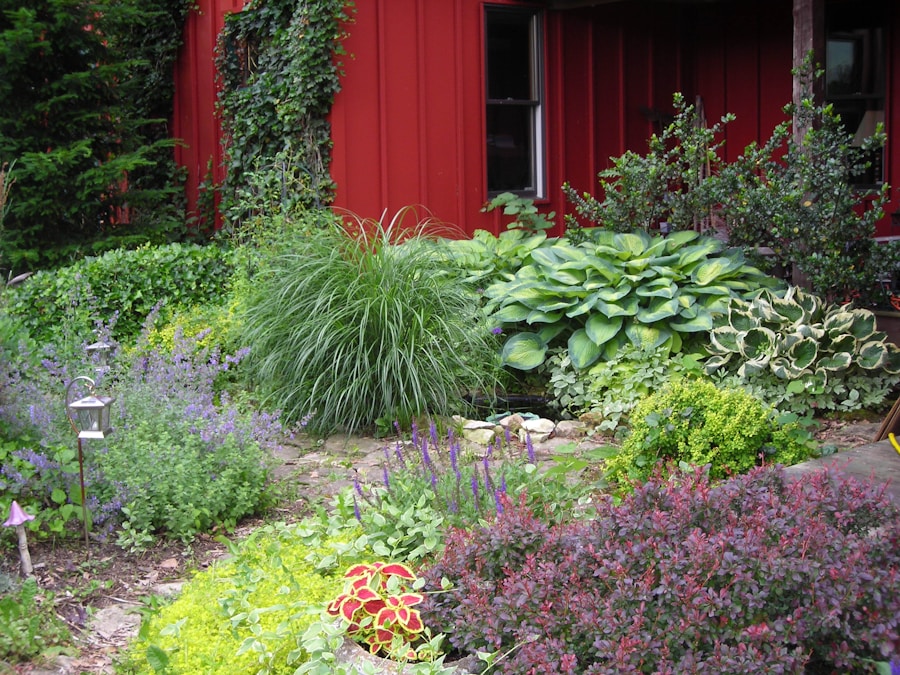
Water conservation is a critical aspect of sustainable gardening, especially in regions where water scarcity is a concern. One effective method is the implementation of rainwater harvesting systems. By collecting rainwater from rooftops and directing it into barrels or cisterns, gardeners can create a valuable resource for irrigation.
This practice not only reduces reliance on municipal water supplies but also helps mitigate stormwater runoff, which can lead to erosion and water pollution. Another technique for conserving water is the use of drip irrigation systems. Unlike traditional sprinkler systems that can waste water through evaporation and runoff, drip irrigation delivers water directly to the plant roots in a slow and controlled manner.
This targeted approach minimizes water loss and ensures that plants receive adequate moisture without overwatering. Additionally, incorporating mulch around plants can help retain soil moisture by reducing evaporation and suppressing weed growth. Organic mulches, such as wood chips or straw, also contribute to soil health as they decompose over time.
Utilizing Composting and Mulching
Composting is an essential practice in sustainable gardening that transforms kitchen scraps and yard waste into nutrient-rich organic matter. By composting, gardeners can significantly reduce the amount of waste sent to landfills while simultaneously enriching their soil. The process involves layering green materials (such as vegetable peels and grass clippings) with brown materials (like dried leaves and cardboard) to create a balanced compost pile.
Over time, microorganisms break down these materials into humus, which enhances soil fertility and structure. Mulching serves as a complementary practice to composting by providing a protective layer over the soil surface. Organic mulches not only help retain moisture but also suppress weeds and regulate soil temperature.
As they decompose, they contribute additional nutrients to the soil, further enhancing its quality. For instance, using shredded leaves as mulch not only recycles yard waste but also enriches the soil with organic matter as it breaks down. In addition to organic options, gardeners can also consider using inorganic mulches like gravel or stones in certain areas where aesthetics or drainage are priorities.
Natural Pest Control Methods
Managing pests in a sustainable garden requires an understanding of ecological relationships and natural pest control methods. Integrated Pest Management (IPM) is a holistic approach that combines various strategies to minimize pest damage while reducing reliance on chemical pesticides. One effective method within IPM is encouraging beneficial insects that prey on harmful pests.
For example, ladybugs are known for their voracious appetite for aphids, while lacewings can help control caterpillar populations. By planting flowers such as dill or yarrow, gardeners can attract these beneficial insects to their gardens. Another natural pest control method involves using physical barriers to protect plants from pests.
Row covers made from lightweight fabric can shield young seedlings from insects while allowing sunlight and moisture to penetrate.
Furthermore, employing companion planting strategies can deter pests naturally; for instance, planting garlic near roses can help repel aphids due to its strong scent.
Creating a Wildlife-Friendly Environment
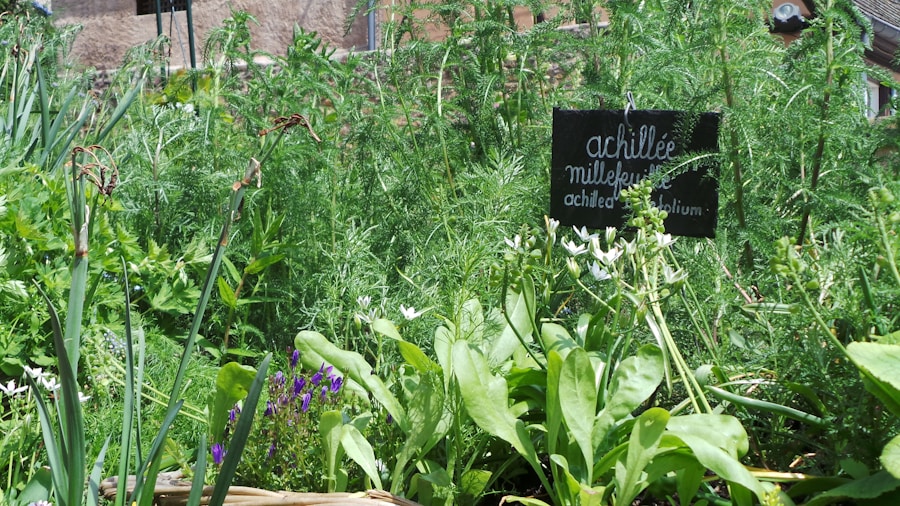
A sustainable garden should not only focus on plant health but also foster biodiversity by creating habitats for wildlife. Incorporating features such as birdhouses, bat boxes, and insect hotels can provide shelter for various species while promoting ecological balance. For example, bluebird houses can attract these beautiful birds that help control insect populations by feeding on them.
Similarly, bat boxes can encourage bats to roost in your garden, providing natural pest control as they consume vast quantities of insects each night. In addition to artificial habitats, creating diverse plantings that include flowering plants, shrubs, and trees can support a wide range of wildlife. Native plants are particularly beneficial as they provide food sources for local pollinators and other wildlife.
A garden rich in nectar-producing flowers will attract bees, butterflies, and hummingbirds, all of which play crucial roles in pollination. Furthermore, leaving some areas of your garden wild or allowing native grasses to grow can create essential habitats for small mammals and ground-nesting birds.
Incorporating Renewable Energy Sources
As concerns about climate change grow, incorporating renewable energy sources into sustainable gardening practices becomes increasingly important. Solar energy is one of the most accessible forms of renewable energy for gardeners. Installing solar panels can provide electricity for garden lighting or small pumps used in irrigation systems.
This not only reduces reliance on fossil fuels but also lowers energy costs over time. Wind energy is another option for those with suitable locations; small wind turbines can generate power for garden operations or even contribute back to the grid if excess energy is produced. Additionally, using solar-powered garden tools—such as electric mowers or string trimmers—can further reduce carbon footprints while maintaining garden aesthetics.
By integrating renewable energy sources into gardening practices, individuals can contribute to a more sustainable future while enjoying the benefits of their green spaces.
Maintaining and Monitoring Your Sustainable Garden
Maintaining a sustainable garden requires ongoing attention and monitoring to ensure that ecological balance is preserved over time. Regularly assessing soil health is vital; this can be done through soil testing kits available at garden centers or through local agricultural extensions. Understanding nutrient levels and pH can guide gardeners in making informed decisions about amendments needed for optimal plant growth.
Additionally, keeping an eye on plant health and pest populations allows gardeners to intervene early if issues arise.
Implementing a seasonal maintenance schedule that includes tasks such as pruning, weeding, and re-evaluating plant placements will help keep the garden thriving while adhering to sustainable practices.
By embracing these principles and techniques of sustainable gardening, individuals can cultivate spaces that are not only productive but also harmonious with nature. The journey toward sustainability in gardening is ongoing; it requires commitment and adaptability as environmental conditions change and new challenges arise. Through education and practice, gardeners can contribute positively to their ecosystems while enjoying the myriad benefits that come from nurturing their green spaces.
If you’re looking to expand your gardening skills beyond creating a sustainable garden, you may want to check out this article on how to grow clematis in small spaces. Clematis is a beautiful flowering vine that can add a pop of color to any garden, even in limited space. Learning how to care for and grow clematis can be a rewarding experience for any gardener.
FAQs
What is a sustainable garden?
A sustainable garden is a garden that is designed and maintained in an environmentally friendly way, using practices that minimize the impact on the environment and promote biodiversity.
Why is it important to create a sustainable garden?
Creating a sustainable garden is important because it helps to conserve natural resources, reduce pollution, and support local wildlife. It also promotes a healthier and more resilient ecosystem.
What are some tips for creating a sustainable garden?
Some tips for creating a sustainable garden include using native plants, practicing water conservation, avoiding chemical pesticides and fertilizers, composting organic waste, and promoting biodiversity.
How can I conserve water in my garden?
You can conserve water in your garden by using mulch to retain moisture, collecting rainwater in a barrel, planting drought-resistant plants, and using drip irrigation systems.
What are some benefits of a sustainable garden?
Some benefits of a sustainable garden include reduced water usage, lower maintenance costs, improved soil health, increased biodiversity, and a healthier environment for both people and wildlife.