

Selecting the appropriate pot and soil for your moon cactus is crucial for its health and growth. Moon cacti, or Gymnocalycium mihanovichii, are unique in that they are often grafted onto a base cactus, typically a Hylocereus species. This grafting process means that the moon cactus itself lacks chlorophyll and relies on the base cactus for nutrients and sustenance.
Therefore, when choosing a pot, it is essential to consider drainage. A pot with drainage holes is vital to prevent water from accumulating at the bottom, which can lead to root rot. Terracotta pots are an excellent choice as they are porous and allow for better airflow to the roots, helping to maintain a healthy moisture level.
In terms of soil, moon cacti thrive in a well-draining mix. A commercial cactus mix is often suitable, but you can also create your own by combining standard potting soil with sand or perlite. The ideal ratio is typically one part potting soil to one part sand or perlite.
This combination ensures that the soil retains some moisture while allowing excess water to drain away quickly. Additionally, incorporating materials like pumice can enhance aeration and drainage further. It’s important to avoid heavy soils that retain too much moisture, as this can be detrimental to the health of your moon cactus.
Key Takeaways
- Choose a well-draining pot and cactus soil mix for your moon cactus to prevent root rot
- Water your moon cactus sparingly and place it in bright, indirect sunlight to avoid overwatering and sunburn
- Fertilize your moon cactus with a balanced, water-soluble fertilizer during the growing season to promote healthy growth
- Regularly inspect your moon cactus for signs of pests and diseases, and treat them promptly to prevent damage
- Repot your moon cactus every 2-3 years and propagate it by removing offsets to maintain its health and appearance
Proper watering and sunlight requirements for moon cactus
Watering a moon cactus requires a careful balance; too much water can lead to root rot, while too little can cause dehydration. The general rule of thumb is to water when the top inch of soil feels dry to the touch.
However, during the winter months, when the plant enters dormancy, watering should be significantly reduced. It’s essential to ensure that any excess water drains away completely after watering, as standing water can quickly lead to fungal issues. Sunlight is another critical factor in the care of moon cacti.
These plants thrive in bright, indirect sunlight but can also tolerate direct sunlight for a few hours each day. Ideally, placing your moon cactus near a south or west-facing window will provide the optimal light conditions. However, if you notice the plant becoming discolored or developing sunburned patches, it may be receiving too much direct sunlight.
Conversely, if the plant appears leggy or is not producing vibrant colors, it may not be receiving enough light. Adjusting its position based on these observations can help ensure your moon cactus remains healthy and vibrant.
Fertilizing and feeding your moon cactus

Fertilizing your moon cactus is an essential aspect of its care regimen, particularly during the growing season when the plant is actively developing new growth. A balanced, water-soluble fertilizer diluted to half strength can be applied every four to six weeks from spring through early fall. Look for fertilizers specifically formulated for cacti and succulents, as these will provide the necessary nutrients without overwhelming the plant with excess nitrogen, which can lead to leggy growth.
In addition to regular fertilization, it’s beneficial to consider the specific needs of your moon cactus based on its growth stage and environmental conditions. For instance, if your plant is showing signs of slow growth or pale coloration, it may benefit from a more concentrated feeding schedule or a different fertilizer formulation. Conversely, during the winter months when the plant is dormant, it’s best to refrain from fertilizing altogether.
This pause allows the plant to conserve energy and prepare for the next growing season without unnecessary stress from nutrient application.
Monitoring for pests and diseases in moon cactus
Like many houseplants, moon cacti are susceptible to various pests and diseases that can hinder their growth and overall health. Common pests include mealybugs, spider mites, and scale insects. Mealybugs often appear as small white cotton-like masses on the plant’s surface and can be removed using a cotton swab dipped in rubbing alcohol.
Spider mites may present as tiny webs or speckled discoloration on the cactus skin; increasing humidity around the plant can help deter these pests. Scale insects appear as small brown bumps on the cactus and can be treated similarly to mealybugs. In addition to pests, moon cacti can also suffer from diseases such as root rot or fungal infections, often caused by overwatering or poor air circulation.
Signs of root rot include yellowing or mushy stems and a foul odor emanating from the soil. If you suspect root rot, it’s crucial to act quickly by removing the plant from its pot, trimming away any affected roots, and repotting it in fresh, dry soil. Regularly inspecting your moon cactus for signs of distress will help you catch any issues early on and maintain its health.
Repotting and propagating moon cactus
Repotting is an essential practice for maintaining a healthy moon cactus, especially as it grows and outgrows its current container. Typically, repotting should occur every two to three years or when you notice that the roots are becoming crowded within the pot. The best time to repot is during the spring when the plant is entering its active growth phase.
Trim away any unhealthy roots before placing it in a new pot filled with fresh soil. Propagation of moon cacti can be achieved through offsets or grafting techniques.
Offsets are small pups that grow at the base of the main plant; these can be carefully removed and potted separately once they reach a suitable size. Grafting is a more advanced technique that involves taking a cutting from a healthy moon cactus and attaching it to a compatible rootstock cactus. This method requires precision and care but can result in new plants that retain the unique characteristics of the moon cactus.
Pruning and grooming your moon cactus
Removing Dead or Damaged Parts
While moon cacti do not require extensive pruning, removing dead or damaged parts is crucial for preventing disease and promoting new growth. Use clean, sharp scissors or pruning shears to snip away any discolored or shriveled sections of the cactus. This not only improves the plant’s appearance but also allows it to focus its energy on healthier areas.
Grooming for a Healthy Environment
Grooming involves cleaning the surface of your moon cactus to remove dust and debris that may accumulate over time. A soft brush or cloth can be used gently to wipe down the plant’s surface without damaging its delicate skin. This practice not only enhances its visual appeal but also allows for better light absorption during photosynthesis.
Maintaining a Healthy and Attractive Plant
Regular grooming helps maintain a healthy environment for your moon cactus while ensuring it remains an attractive addition to your indoor garden. By incorporating pruning and grooming into your care routine, you can enjoy a thriving and beautiful moon cactus for years to come.
Winter care for moon cactus
Winter care for your moon cactus is crucial as these plants enter a dormant phase during colder months. As temperatures drop and daylight hours shorten, it’s essential to adjust your care routine accordingly. One of the most significant changes involves reducing watering frequency; during winter, you should only water your moon cactus when the soil is completely dry—typically every four to six weeks depending on your indoor climate conditions.
Additionally, providing adequate light during winter months is vital for maintaining your moon cactus’s health. If natural light becomes scarce due to shorter days or overcast weather, consider supplementing with grow lights designed for succulents and cacti. Positioning your moon cactus in a location where it receives bright but indirect light will help prevent etiolation (stretching) while ensuring it retains its vibrant colors throughout winter.
Tips for displaying and arranging moon cactus in pots
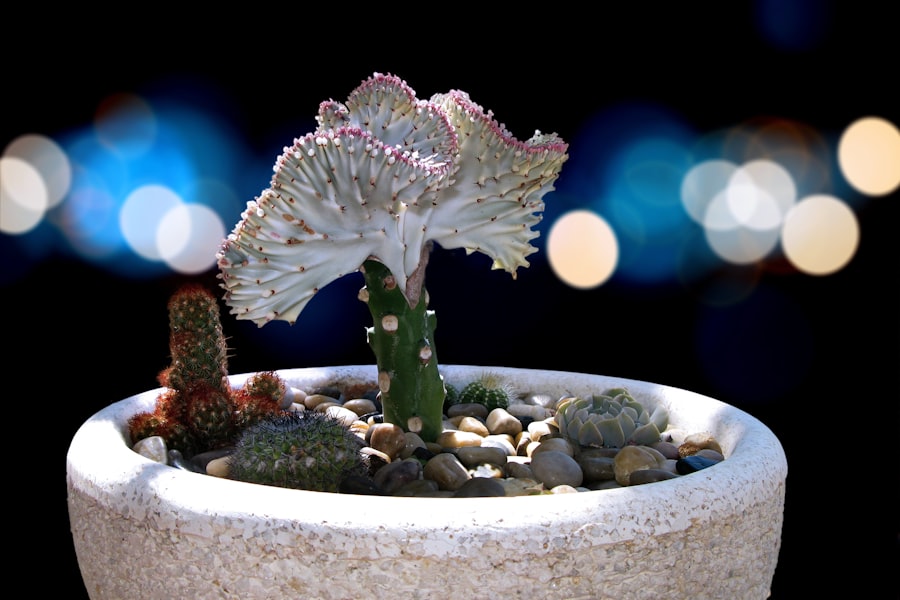
Displaying and arranging your moon cactus in pots can enhance its visual appeal while creating an inviting atmosphere in your home or office space. Given their striking appearance—often characterized by vibrant colors atop a green base—moon cacti make excellent focal points in any arrangement. Consider using decorative pots that complement their unique colors; terracotta pots provide a rustic look while ceramic pots can add a modern touch.
When arranging multiple moon cacti together, consider varying their heights and colors for an eye-catching display. Grouping them with other succulents or cacti that have similar care requirements can create an interesting contrast while maintaining harmony in care routines. Additionally, incorporating decorative stones or gravel at the base of each pot can enhance drainage while adding an aesthetic element to your arrangement.
By thoughtfully considering placement and pairing options, you can create a stunning display that showcases the beauty of your moon cacti while ensuring their health and vitality remain intact.
If you’re interested in learning about growing plants in containers, you may also want to check out this article on how to grow radishes in containers. Radishes are a versatile and easy-to-grow vegetable that can thrive in pots, making them a great option for container gardening enthusiasts. This article provides helpful tips and tricks for successfully growing radishes in a container garden.
FAQs
What is a moon cactus?
A moon cactus, also known as a grafted cactus, is a colorful and unique plant that is actually two different cacti grafted together. The colorful top cactus, known as the Gymnocalycium mihanovichii, does not have the ability to produce chlorophyll, so it is grafted onto a green, chlorophyll-producing cactus to survive.
How do I choose a pot for my moon cactus?
When choosing a pot for your moon cactus, it’s important to select a pot with drainage holes to prevent water from pooling at the bottom. The pot should also be slightly larger than the current root ball of the cactus to allow for growth.
What type of soil is best for growing moon cactus in pots?
Moon cacti thrive in well-draining soil, so a cactus or succulent mix is ideal for potting them. This type of soil will prevent water from sitting around the roots and causing rot.
How often should I water my moon cactus in a pot?
Moon cacti are drought-tolerant plants and should be watered sparingly. Allow the soil to dry out completely between waterings, and then water the cactus thoroughly. In general, they may only need to be watered every 2-3 weeks, depending on the climate and conditions.
Where should I place my potted moon cactus?
Moon cacti thrive in bright, indirect sunlight. Place your potted cactus near a sunny window or in a location where it will receive plenty of natural light throughout the day.
How do I fertilize my potted moon cactus?
Fertilize your moon cactus with a balanced, water-soluble fertilizer diluted to half strength. Apply the fertilizer during the growing season (spring and summer) about once a month. Avoid fertilizing during the winter months when the cactus is dormant.