
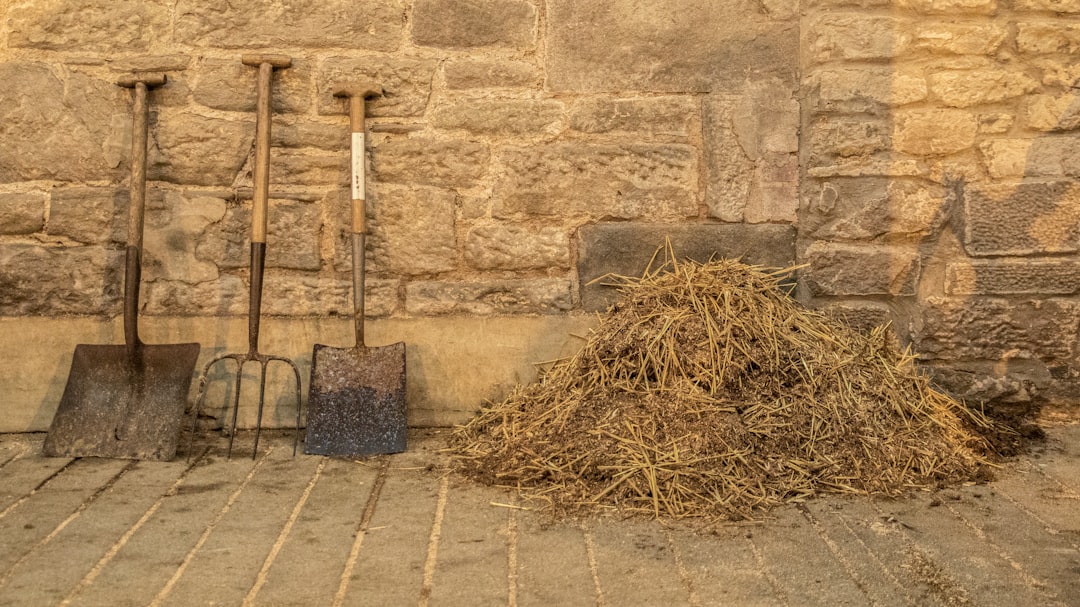
Garden spades are essential tools for any gardener, and they come in various types, each designed for specific tasks. The most common type is the digging spade, characterized by its broad, flat blade that allows for efficient soil penetration and turning. This spade is ideal for breaking up compacted soil, digging holes for planting, and moving soil from one area to another.
The blade’s sharp edge is particularly useful for cutting through roots and tough soil, making it a versatile tool in any gardening arsenal. Another type of garden spade is the border spade, which is smaller and has a narrower blade compared to the traditional digging spade. This design makes it perfect for working in tight spaces, such as flower beds or along pathways.
The border spade is particularly useful for edging and creating defined lines in the garden, allowing gardeners to maintain a neat appearance. Additionally, there are specialized spades like the trenching spade, which features a long, narrow blade designed for digging deep trenches, making it ideal for planting bulbs or laying irrigation lines. Understanding these different types of spades can help gardeners select the right tool for their specific gardening tasks.
Key Takeaways
- There are different types of garden spades, including digging spades, border spades, and transplanting spades, each designed for specific gardening tasks.
- When choosing a garden spade, consider factors such as the type of soil in your garden, the size of the spade, and the handle design for comfort and efficiency.
- Ergonomics and comfort are important in garden spade design, so look for features such as cushioned handles and adjustable shaft lengths to reduce strain on your body.
- Garden spades can be made from materials such as stainless steel, carbon steel, or aluminum, each with its own benefits in terms of durability and weight.
- Consider the size and weight of the garden spade to ensure it is suitable for your strength and the tasks you will be using it for in your garden.
Considerations for choosing the right garden spade for your needs
When selecting a garden spade, several factors should be taken into account to ensure that the tool meets your gardening needs effectively. One of the primary considerations is the type of soil you will be working with. For instance, if you have heavy clay soil, a spade with a sharp, pointed blade will be more effective at penetrating the tough ground compared to a flat-bladed spade.
Conversely, if you are working with sandy or loamy soil, a broader blade may be more suitable for moving and turning the soil efficiently. Another important consideration is the intended use of the spade. If you plan to do a lot of planting or transplanting, a lightweight spade may be preferable to reduce fatigue during extended use.
On the other hand, if your tasks involve heavy-duty digging or moving large amounts of soil, a sturdier, heavier spade may be necessary to withstand the rigors of such work. Additionally, consider the frequency of use; if you are an occasional gardener, investing in a high-quality spade may not be as critical as it would be for someone who gardens regularly. By assessing your specific gardening needs and conditions, you can make an informed decision when choosing the right garden spade.
Ergonomics and comfort in garden spade design
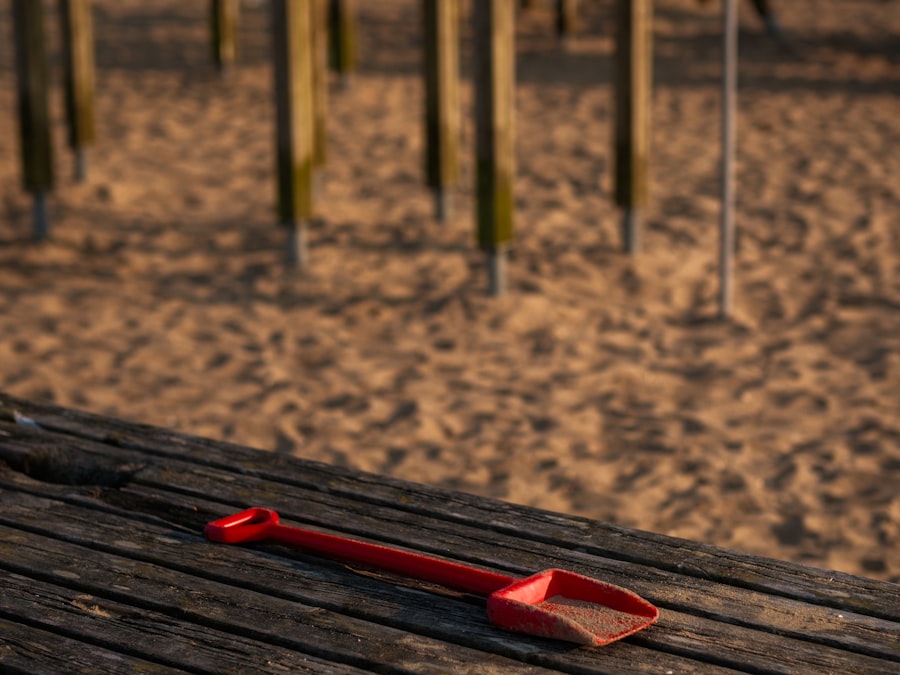
The design of a garden spade plays a crucial role in its usability and comfort during extended periods of work. Ergonomics refers to how well a tool fits the user’s body and how it minimizes strain during use. A well-designed garden spade should have a handle that allows for a comfortable grip while providing adequate leverage.
Many modern spades feature D-shaped or T-shaped handles that enable users to apply force more efficiently while reducing wrist strain. In addition to handle design, the length of the handle is also an important ergonomic consideration. A longer handle can provide better leverage and reduce the need for bending over, which can lead to back strain over time.
Conversely, shorter handles may be more suitable for tasks that require precision or working in confined spaces. Some manufacturers even offer adjustable handles that can be customized to fit the user’s height and preferences. By prioritizing ergonomics in garden spade design, manufacturers help ensure that gardeners can work comfortably and efficiently without risking injury.
Material and construction of garden spades
The materials used in the construction of garden spades significantly impact their durability and performance. Most garden spades feature blades made from either stainless steel or carbon steel. Stainless steel blades are resistant to rust and corrosion, making them an excellent choice for gardeners who work in wet conditions or live in humid climates.
They are also relatively easy to clean and maintain, which can prolong their lifespan. On the other hand, carbon steel blades are known for their strength and ability to hold a sharp edge longer than stainless steel. However, they are more prone to rust if not properly cared for.
Many gardeners prefer carbon steel blades for their digging capabilities, especially when working with tough soil conditions. The construction of the handle is equally important; wooden handles provide a traditional feel and good shock absorption but may require more maintenance than fiberglass or metal handles, which are often more durable and resistant to weathering. Understanding these material differences can help gardeners choose a spade that aligns with their gardening style and environmental conditions.
Size and weight considerations for garden spades
The size and weight of a garden spade can greatly influence its ease of use and effectiveness in various gardening tasks. A heavier spade may provide more power when digging into hard soil but can also lead to fatigue during prolonged use. Conversely, a lightweight spade is easier to maneuver but may not have the same digging power as its heavier counterparts.
Gardeners should consider their physical strength and stamina when selecting a spade; those with limited upper body strength may benefit from lighter models that still offer adequate performance. Size also plays a critical role in determining how well a garden spade can perform specific tasks. For example, larger blades can move more soil at once but may be cumbersome in tight spaces or when working around delicate plants.
Smaller blades are better suited for precision work but may require more effort when tackling larger areas. Gardeners should assess their typical gardening tasks and choose a size that balances efficiency with ease of use, ensuring that they can work effectively without unnecessary strain.
Special features to look for in a garden spade
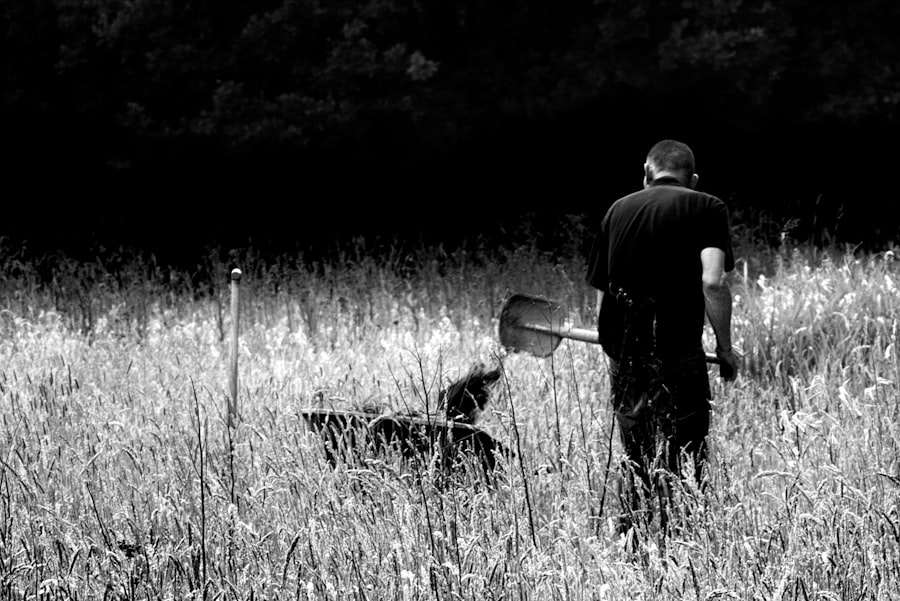
Footrest for Added Force and Stability
A footrest or tread on the blade is a valuable feature that allows users to apply additional force when pushing the blade into the ground. This is particularly beneficial when dealing with compacted soil or digging deep holes for planting. A well-placed footrest can also help prevent slipping during use, providing greater stability.
Measuring Guides for Consistency
Another feature to consider is a built-in measuring guide on the blade or handle. This can assist gardeners in achieving consistent planting depths or spacing between plants without needing additional tools.
Ergonomic Design for Comfort and Efficiency
Some modern garden spades also come equipped with ergonomic grips that reduce hand fatigue during extended use or shock-absorbing technology that minimizes vibrations when digging into hard ground. These features can significantly enhance the overall gardening experience by making tasks easier and more efficient.
Budget considerations for purchasing a garden spade
Budget is an essential factor when purchasing any gardening tool, including garden spades. Prices can vary widely based on brand, materials used, and special features included in the design. While it may be tempting to opt for the cheapest option available, investing in a higher-quality spade can pay off in terms of durability and performance over time.
A well-constructed garden spade made from quality materials will likely last longer and perform better than a lower-priced alternative that may need frequent replacement. When setting a budget for your garden spade purchase, consider how often you will use it and what tasks you will perform with it. If you are an avid gardener who spends significant time working in your yard, allocating more funds toward a durable and ergonomic model may be worthwhile.
Conversely, if you only garden occasionally or have limited needs, a more budget-friendly option may suffice. Researching different brands and reading reviews can help you find the best value within your budget while ensuring you select a tool that meets your gardening requirements.
Maintenance and care for your garden spade
Proper maintenance and care are crucial for extending the life of your garden spade and ensuring optimal performance over time. After each use, it is essential to clean the blade thoroughly to remove any soil or debris that may have accumulated during gardening tasks. A simple rinse with water followed by drying with a cloth can prevent rust formation on metal blades.
For stainless steel blades, occasional polishing with a metal cleaner can help maintain their shine and protect against corrosion. In addition to cleaning, regular inspections of the handle and blade are necessary to identify any signs of wear or damage early on.
For metal handles, look for signs of rust or bending that could affect usability. By taking these maintenance steps seriously, gardeners can ensure their tools remain in excellent condition and ready for use whenever needed.
This article on how to grow jasmine on fences provides helpful tips and techniques for successfully cultivating this fragrant and elegant plant. Pairing this knowledge with the right garden spade for planting can help you create a stunning garden space. Additionally, if you are interested in growing pecan trees or morning glories, check out these articles on how to grow pecan trees in your backyard and how to grow morning glories in containers for more gardening inspiration.
FAQs
What is a garden spade?
A garden spade is a tool used for digging, planting, and cultivating soil in the garden. It typically has a flat, squared-off blade and a long handle for leverage.
What are the different types of garden spades?
There are several types of garden spades, including digging spades, border spades, and transplanting spades. Each type is designed for specific gardening tasks and may vary in size and shape.
How do I choose the right garden spade for planting?
When choosing a garden spade for planting, consider the size and weight of the spade, the material of the blade and handle, and the ergonomics of the handle. It’s important to choose a spade that feels comfortable and balanced in your hands.
What are the key features to look for in a garden spade for planting?
Key features to look for in a garden spade for planting include a sharp, sturdy blade for cutting through soil and roots, a comfortable handle for gripping and leverage, and a durable construction that can withstand regular use in the garden.
How should I maintain and care for my garden spade?
To maintain and care for your garden spade, regularly clean the blade to remove dirt and debris, sharpen the blade as needed, and store the spade in a dry, protected area to prevent rust and damage. Additionally, oiling the blade and handle can help prevent corrosion.