

Trowels are essential tools in various trades, particularly in masonry, gardening, and construction. They come in a multitude of types, each designed for specific tasks. The most common types include the pointed trowel, which is often used for digging and planting in gardening; the flat trowel, which is favored by masons for spreading mortar; and the notched trowel, which is crucial for applying adhesive in tile work.
Each type serves a unique purpose, and understanding these distinctions is vital for selecting the right tool for your project. In addition to these primary types, there are specialized trowels such as the margin trowel, which is narrower and ideal for tight spaces, and the finishing trowel, which has a smooth blade designed for achieving a polished surface on concrete. The diversity in trowel design reflects the varied needs of users across different fields.
For instance, a gardener may prefer a trowel with a pointed tip for precision planting, while a contractor might opt for a larger flat trowel to efficiently spread materials over larger areas. Recognizing the specific requirements of your task will guide you in choosing the most appropriate trowel type.
Key Takeaways
- There are different types of trowels, including pointing, gauging, and brick trowels, each designed for specific tasks.
- Trowels can be made of stainless steel, carbon steel, or high carbon steel, each with its own advantages and disadvantages.
- The handle design and grip of a trowel can greatly affect comfort and control during use, so it’s important to consider these factors.
- Choosing the right size trowel for your needs is crucial for achieving the desired results in your project.
- Blade shape and flexibility are important considerations, as they can impact the trowel’s ability to spread and shape materials effectively.
Considering the material of the trowel
Stainless Steel Trowels
Stainless steel trowels are highly regarded for their resistance to rust and corrosion, making them an excellent choice for outdoor use or in environments where moisture is prevalent. Their durability ensures that they maintain their sharpness and effectiveness over time, which is particularly important for professionals who rely on their tools daily.
Carbon Steel Trowels
Carbon steel trowels are known for their superior strength and ability to hold an edge. However, they require more maintenance than stainless steel counterparts, as they are prone to rust if not properly cared for.
Material Selection Considerations
For those who prioritize lightweight tools, plastic trowels can be an option; they are often used in gardening for their ease of handling and resistance to corrosion. However, they may not provide the same level of durability or precision as metal trowels. Understanding the pros and cons of each material will help you make an informed decision based on your specific needs and working conditions.
Evaluating the handle design and grip

The handle design of a trowel plays a crucial role in user comfort and efficiency. A well-designed handle can reduce fatigue during extended use and enhance control over the tool. Trowels typically feature handles made from materials such as wood, rubber, or plastic.
Wooden handles offer a traditional feel and can provide a good grip; however, they may become slippery when wet. Rubberized handles are increasingly popular due to their ergonomic design, which conforms to the hand’s natural shape and provides a non-slip surface even in challenging conditions. Moreover, the shape of the handle can also affect how effectively you can maneuver the trowel.
Some handles are straight, while others are curved or have a contoured design that fits comfortably in the palm.
Additionally, some trowels come with padded grips that further enhance comfort.
When selecting a trowel, it’s essential to consider how the handle feels in your hand and whether it allows for precise control during your tasks.
Choosing the right size for your needs
Trowels come in various sizes, and selecting the right one is critical to achieving optimal results in your work. A smaller trowel may be ideal for intricate tasks such as planting seedlings or applying grout in tight spaces, while larger trowels are better suited for spreading mortar or concrete over expansive areas. The size of the trowel should correspond to the scale of your project; using a tool that is too large can lead to clumsiness and imprecision, while one that is too small may require excessive effort and time.
In addition to considering the size of the blade itself, it’s also important to think about the overall length of the trowel. A longer handle can provide better leverage when working with heavier materials but may be cumbersome in confined spaces. Conversely, a shorter handle allows for greater maneuverability but may not provide enough reach for larger projects.
Assessing your specific needs based on the tasks at hand will guide you in selecting a trowel that strikes the right balance between size and functionality.
Examining the blade shape and flexibility
The shape and flexibility of a trowel’s blade are critical factors that influence its effectiveness for various applications. For instance, a pointed blade is ideal for digging into soil or breaking up compacted materials, while a flat blade excels at spreading materials evenly across surfaces. Notched blades are specifically designed for tile work, allowing for even application of adhesive while creating grooves that enhance adhesion.
Flexibility is another important consideration; some tasks require a stiffer blade that can withstand heavy pressure without bending, while others benefit from a more flexible blade that can contour to surfaces. For example, when finishing concrete surfaces, a flexible blade allows for smooth application and finishing touches without leaving marks or imperfections. Conversely, when working with heavy materials like mortar or cement, a stiffer blade provides the necessary strength to manipulate these substances effectively.
Understanding how blade shape and flexibility impact performance will help you choose a trowel that meets your specific project requirements.
Assessing the durability and quality of the trowel
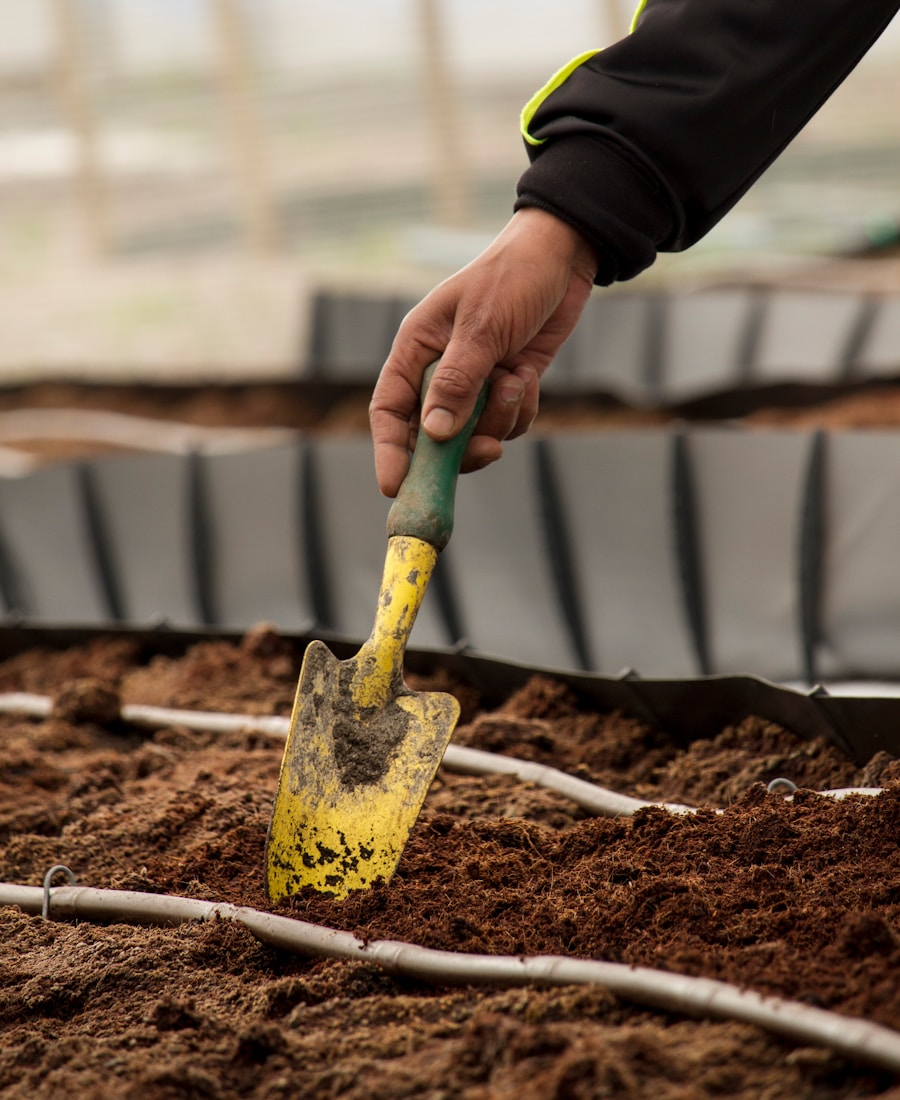
Durability is paramount when investing in tools like trowels, especially for professionals who rely on them daily. A high-quality trowel should withstand regular use without showing signs of wear or damage. Factors that contribute to durability include the quality of materials used in construction, manufacturing processes, and overall design integrity.
Trowels made from high-grade stainless steel or carbon steel tend to offer superior durability compared to those made from lower-quality materials. Additionally, examining customer reviews can provide insights into the long-term performance of specific trowels. Users often share their experiences regarding how well a tool holds up under various conditions and whether it maintains its functionality over time.
Look for reviews that mention resistance to rusting, ease of cleaning, and overall satisfaction with performance after extended use. Investing in a durable trowel not only enhances efficiency but also reduces the need for frequent replacements, ultimately saving time and money.
Comparing different brands and customer reviews
When it comes to selecting a trowel, brand reputation can play a significant role in your decision-making process. Established brands often have a history of producing reliable tools backed by customer satisfaction. Researching different brands allows you to identify those known for quality craftsmanship and innovative designs.
Some brands may specialize in specific types of trowels or cater to particular trades, so understanding their strengths can help narrow down your options. Customer reviews serve as valuable resources when comparing brands and models. They provide real-world insights into how well a trowel performs under various conditions and tasks.
Look for reviews that highlight specific features such as comfort during use, ease of cleaning, and overall effectiveness in achieving desired results. Pay attention to both positive feedback and constructive criticism; this balanced perspective will help you make an informed choice based on actual user experiences rather than marketing claims alone.
Budgeting for the best trowel option
Budgeting is an essential aspect of purchasing any tool, including trowels. While it may be tempting to opt for the cheapest option available, investing in a quality trowel can yield better long-term results and satisfaction. Prices can vary significantly based on factors such as brand reputation, material quality, and design features.
Consider what aspects are most important to you—whether it’s durability, comfort, or specific functionalities—and allocate your budget accordingly. It’s also wise to keep an eye out for sales or promotions that may allow you to acquire higher-quality tools at reduced prices.
Ultimately, finding the right balance between cost and quality will lead you to a trowel that meets your needs without breaking the bank. Investing wisely now can save you from future expenses related to replacements or repairs due to poor-quality tools.
If you are looking for tips on how to grow plants like jasmine or honeysuckle in your garden, you may also be interested in learning how to choose the best trowel for planting. Check out this helpful article on how to grow jasmine on fences for more information on cultivating this beautiful flowering vine.
FAQs
What is a trowel and why is it important for planting?
A trowel is a small handheld tool with a pointed, scoop-shaped metal blade used for digging, planting, and smoothing soil. It is important for planting as it allows for precise digging and planting of seeds, bulbs, and small plants.
What are the different types of trowels available for planting?
There are several types of trowels available for planting, including hand trowels, transplanting trowels, and narrow trowels. Hand trowels are the most common and versatile, while transplanting trowels have a narrower blade for working in tight spaces, and narrow trowels are ideal for working in between plants.
What factors should be considered when choosing the best trowel for planting?
When choosing the best trowel for planting, consider the blade material, handle material, blade size and shape, and handle design. The blade material should be durable and rust-resistant, the handle material should be comfortable and easy to grip, the blade size and shape should be suitable for the type of planting you will be doing, and the handle design should be ergonomic for comfortable use.
How do I determine the right trowel size for my planting needs?
The right trowel size for your planting needs depends on the size of the plants you will be working with and the type of soil you will be digging in. For small plants and tight spaces, a smaller trowel is ideal, while for larger plants and softer soil, a larger trowel may be more suitable.
What are some additional features to look for in a trowel for planting?
Additional features to look for in a trowel for planting include measurement markings on the blade for precise planting depth, a serrated edge for cutting through roots, and a hanging hole for easy storage. These features can enhance the functionality and convenience of the trowel for planting.